
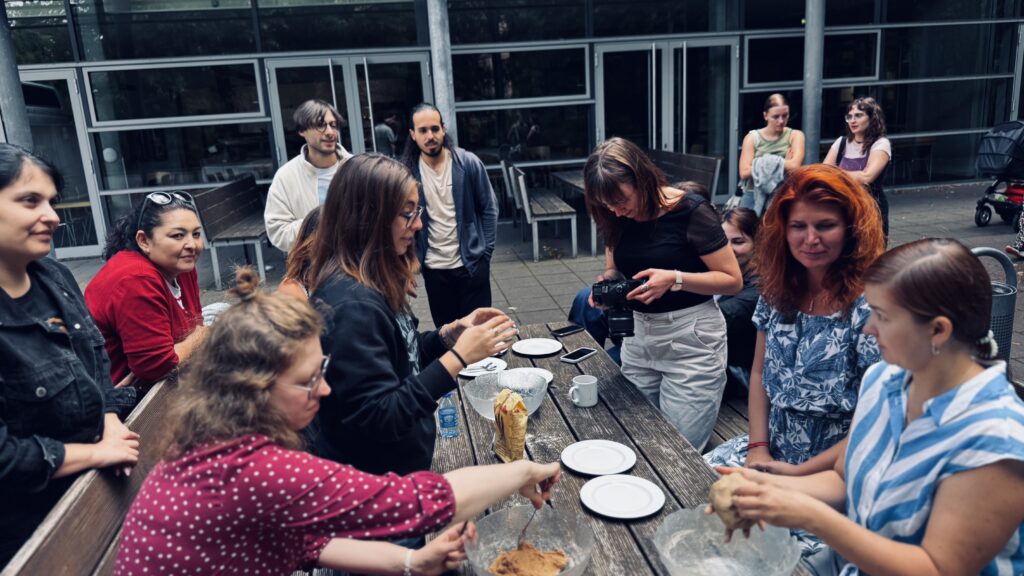
When we say facilitation in youth work, we often mean “making things run smoothly”: keeping time, managing energy, ensuring everyone speaks, closing the day on a good note. After our first training course of the Long-term Training of Trainers “Facilitation Guide”, I would describe facilitation a little differently: it is the craft of creating the conditions where learning can happen safely, meaningfully, and inclusively, even when the group is diverse, tired, sceptical, or facing real-life dilemmas.
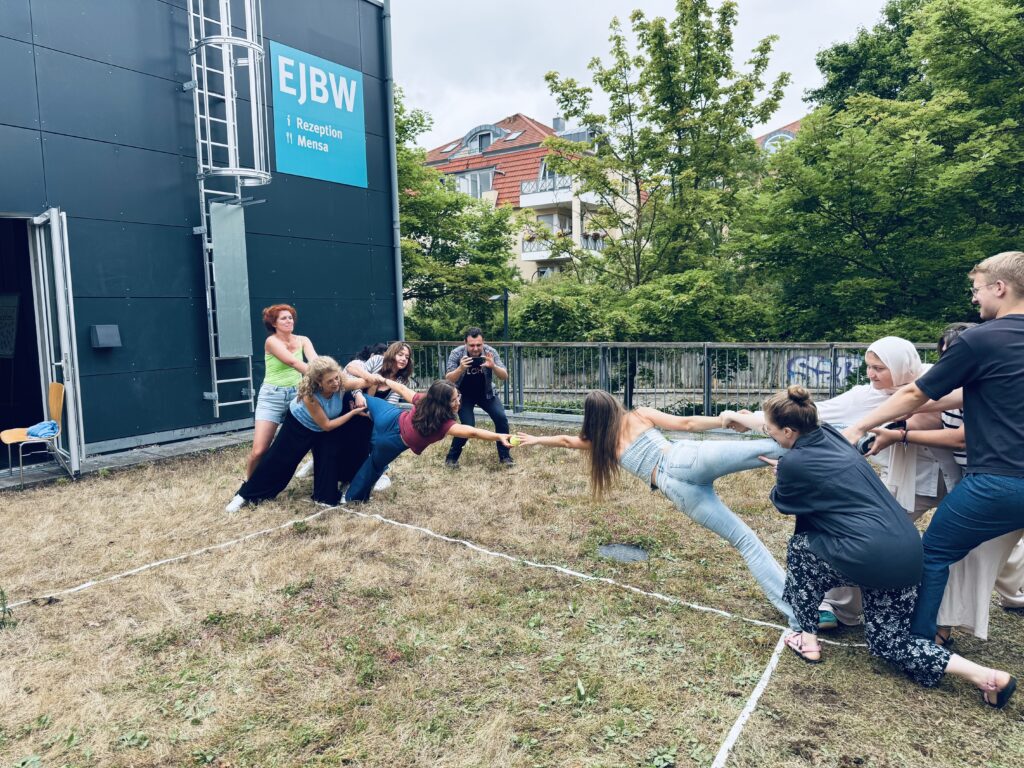
From 25 July to 03 August 2025, Weimar became our shared learning space for the generic part of the programme. We were hosted at the European Youth Education and Meeting Centre (EJBW) Weimar, a setting that naturally supports focused work and reflective evenings, without needing to “force” community. (Arrival was planned for the afternoon of the 25th and departure the morning of the 3rd.)
This first phase is part of a longer journey: Training Course 1 (Generic) → local phase and online modules → Training Course 2 (Advanced), with the second international training planned for 04–12 October 2025 in Tenerife, Spain. That longer arc matters, because facilitation is not built in a week; it is built in cycles of practice, feedback, and re-practice.
Why this project, and why now?
The project’s purpose is practical: to strengthen youth workers’ competences in organising, implementing, and evaluating engaging educational activities, so that young people can genuinely benefit from youth work that responds to today’s realities and strengthens local empowerment. In our team discussions, what resonated most was the focus on the facilitator’s inner work as well: becoming more aware of our values, beliefs, and communication patterns—how we use voice, space, body language, and visuals, and how these choices influence inclusion and participation.
The course was coordinated by CGE Erfurt together with partner organisations (including Fundacja Młodzi dla Europy and Te Is Foundation) and delivered by an experienced training team (as introduced in the infopack). The design felt intentionally “trainer-like”: everything we experienced was also a quiet demonstration of how to design experiences.
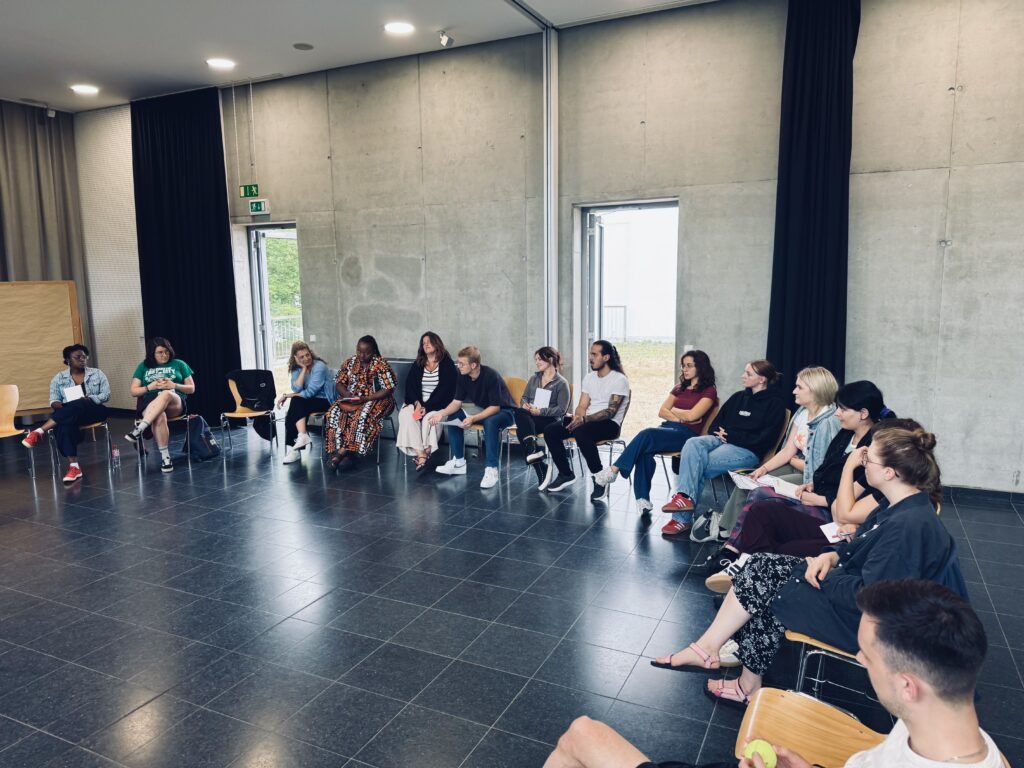
Day-by-day learning, without the “lecture” feeling
One of the strongest features of the week was how clearly the programme moved from foundations to practice. The visual programme on the wall became a reference point we kept returning to, especially when we needed to understand why a session was placed where it was. Across the days, we worked through:
- Non-formal education principles and what they demand from us (beyond “fun methods”)
- Competences and experiential learning, including the roles educators unconsciously slip into
- Powerful questions and debriefing—the difference between a chat and a learning conversation
- Voice and body work, and how “presence” is built (or lost) in a room
- A structured practice phase, with repeated facilitation rounds and feedback loops
- A taste of graphic facilitation, and how visuals can support clarity and memory
Even if you never touch a marker, the graphic logic was important: young people often need a “map” of the process, not just good intentions.
The basics we returned to again and again
Early on, we grounded ourselves in a shared understanding of non-formal education (NFE). Someone had drawn an NFE “wheel” with principles like voluntary participation, learner-centredness, reflective learning, experience-based processes, democratic and participatory approaches, and holistic learning (knowledge, skills, attitudes). Seeing those principles together had an effect: it reminded us that facilitation is not neutral logistics. If learning is voluntary, how do we invite without pushing? If learning is learner-centred, how do we avoid performing as “experts” who rescue silence?
From there, we built our group agreement—not as a ritual, but as a functional tool. The flipchart was simple and surprisingly powerful: leave stereotypes behind; look beyond your usual lens; let others express themselves; respect time and confidentiality; ask for help; take care of yourself; use the strengths in the room.In practice, it gave us language to intervene kindly when dynamics got complicated. It also created a shared standard: we didn’t have to guess what “good participation” meant; we had named it together.
Experiential learning: the part we think we know… until we try to do it well
Many of us use experiential learning in youth work, but the training forced us to examine it more precisely. One wall visual framed the cycle in a way I will reuse: Experience → “What?” (facts/feelings) → “So what?” (meaning/findings) → “Now what?” (future action). The sticky-note questions people added were the real gold: “How do you feel?” “Why was the list different?” “What values guided your decision?” The point was clear: if we skip the reflection stages, we don’t have experiential learning—we have activities.
This connected directly to debriefing. We practised how to ask questions that don’t trap participants into “correct answers,” but instead open pathways for meaning-making. That, for me, was one of the biggest professional reminders of the week: the facilitator’s questions are never just questions; they are steering mechanisms.
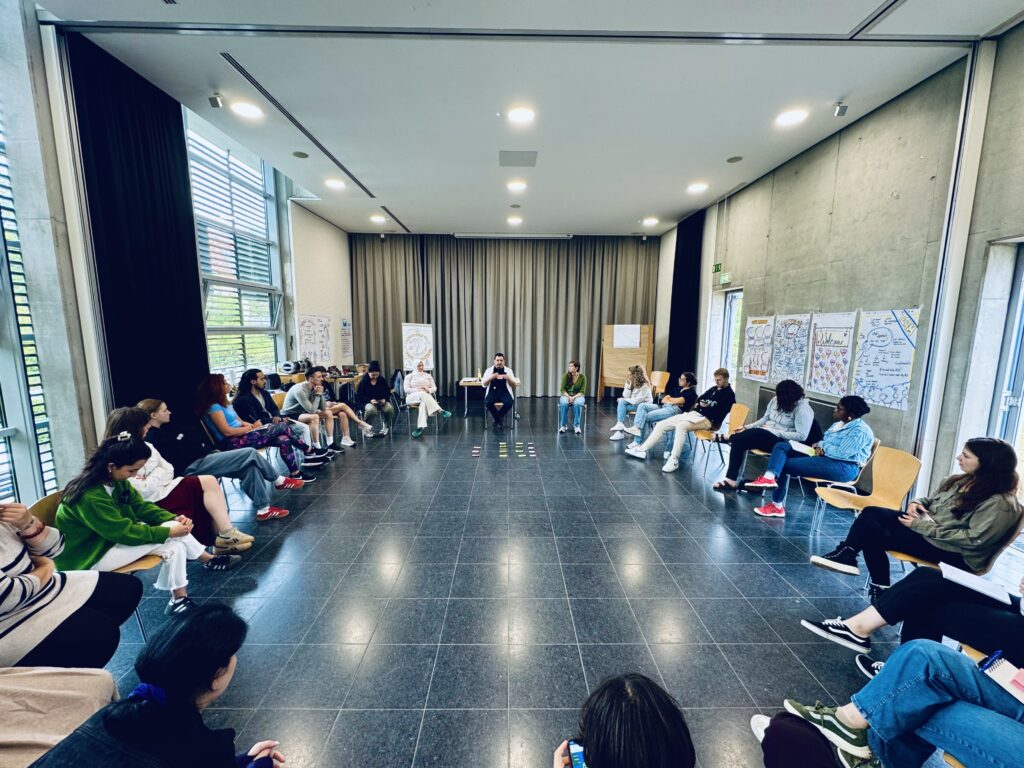
Roles of the educator: a mirror we didn’t always enjoy
Another visual that stayed with me showed a continuum from “expert/teacher” to “facilitator/mentor”, moving from information-heavy to learner-centred. It was uncomfortable in the best way, because it surfaced a truth: in stressful moments, we often retreat to the roles that feel safest—explaining more, controlling more, rescuing the process. The training didn’t moralise this; it made it visible, then gave us tools to shift intentionally.
We explored how role choices influence inclusion. If a participant already feels “less competent,” an expert-style approach can unintentionally confirm their silence. But if we design the process so that knowledge is built collectively, we reduce the pressure to perform.
Practice, feedback, and the courage to try again
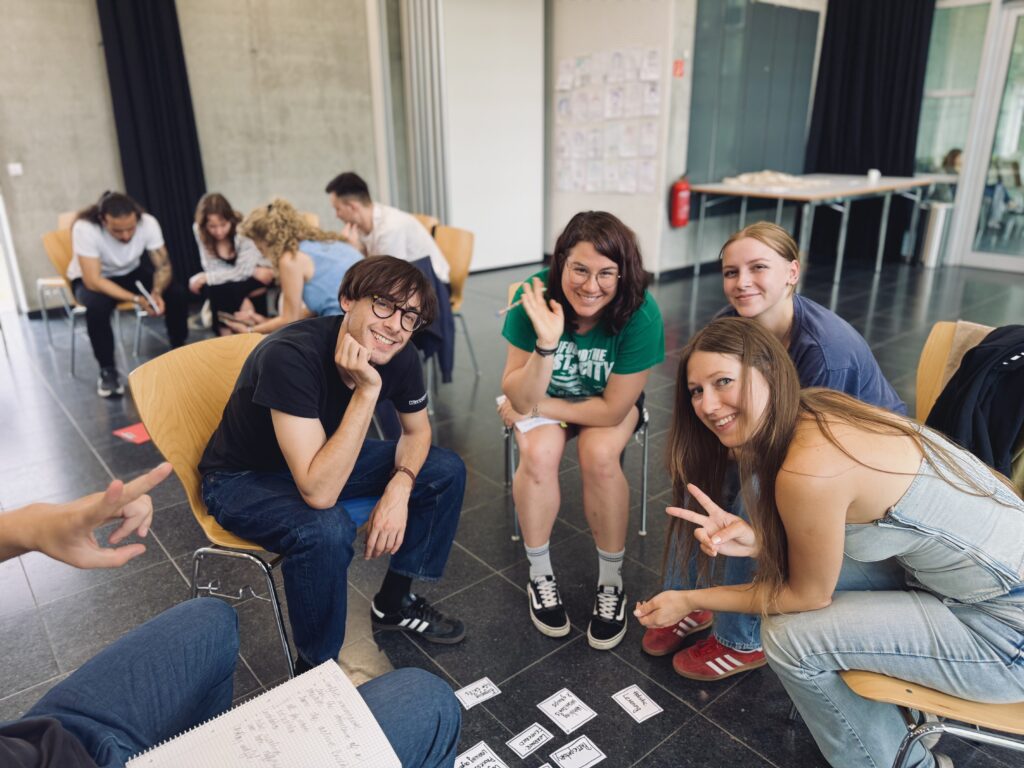
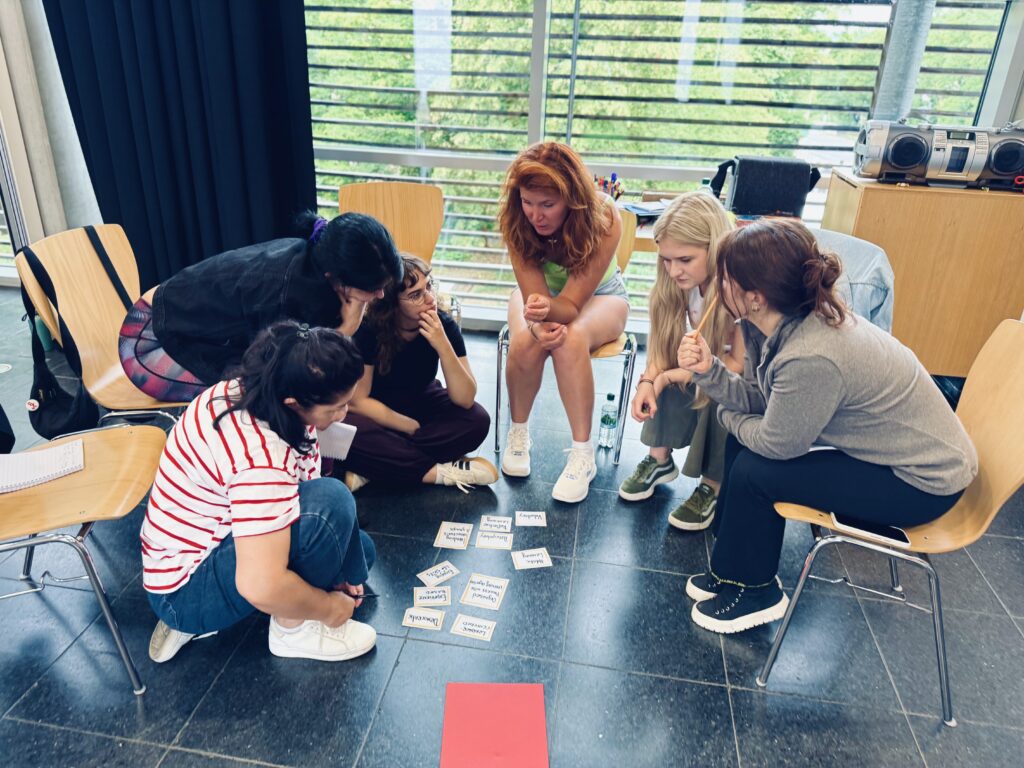
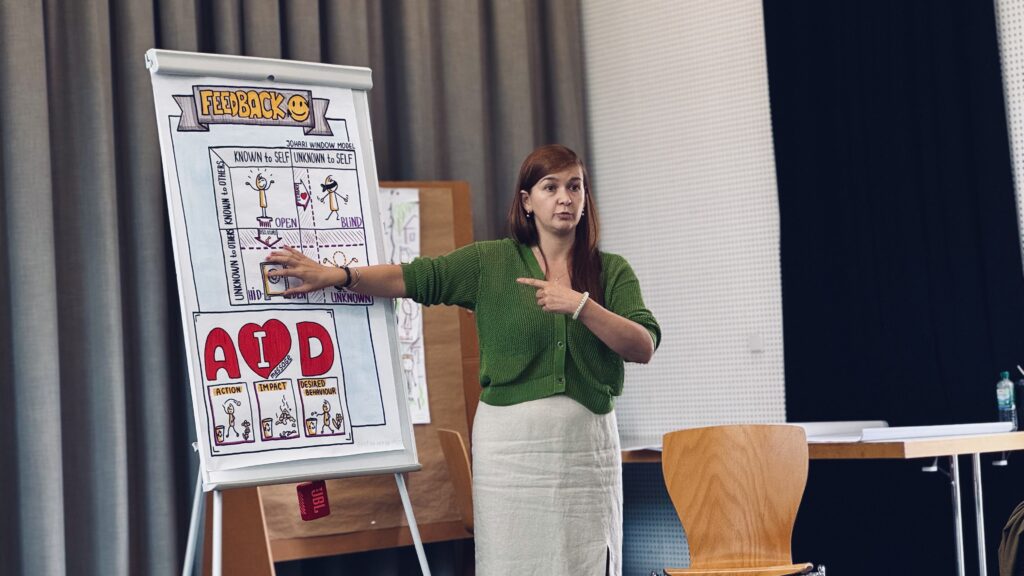
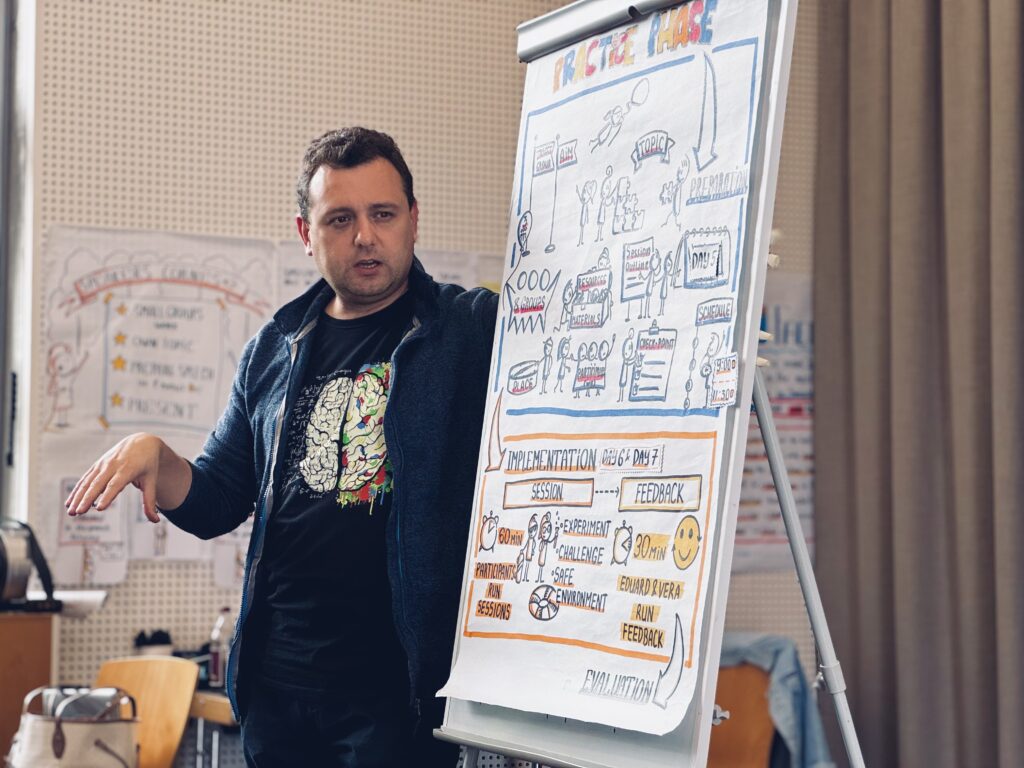
The “practice phase” was where the learning became real. We facilitated in small groups, received feedback, adjusted, and facilitated again. It was not always comfortable—especially when feedback addressed our presence rather than our content (pace, tone, clarity of instruction, how we held the room). Yet this was precisely the type of safe training environment the project aims for: a place where skills can be assessed and developed without punishment, and where personal style is treated as something you can shape, not something you either “have” or “don’t have.”
What I appreciated most: feedback was framed as part of professional ethics, not personal judgment. And that is a mindset I would like us to strengthen within our own teams as well.
What happens now: turning training into youth work practice
The course ended with a very concrete “journey map” for the next phase. Between 03 August and 04 October 2025, we move into a local practice phase and online learning modules, applying competences with real groups and deepening learning through the online components. Participants are expected to run a local workshop/info session (minimum 6 people) and contribute to dissemination—because training only becomes valuable when it returns to community practice.
And then we meet again for Part 2 (Advanced) in Tenerife, 04–12 October 2025, to build deeper competence in facilitation and training—bringing back the realities we faced while implementing locally.
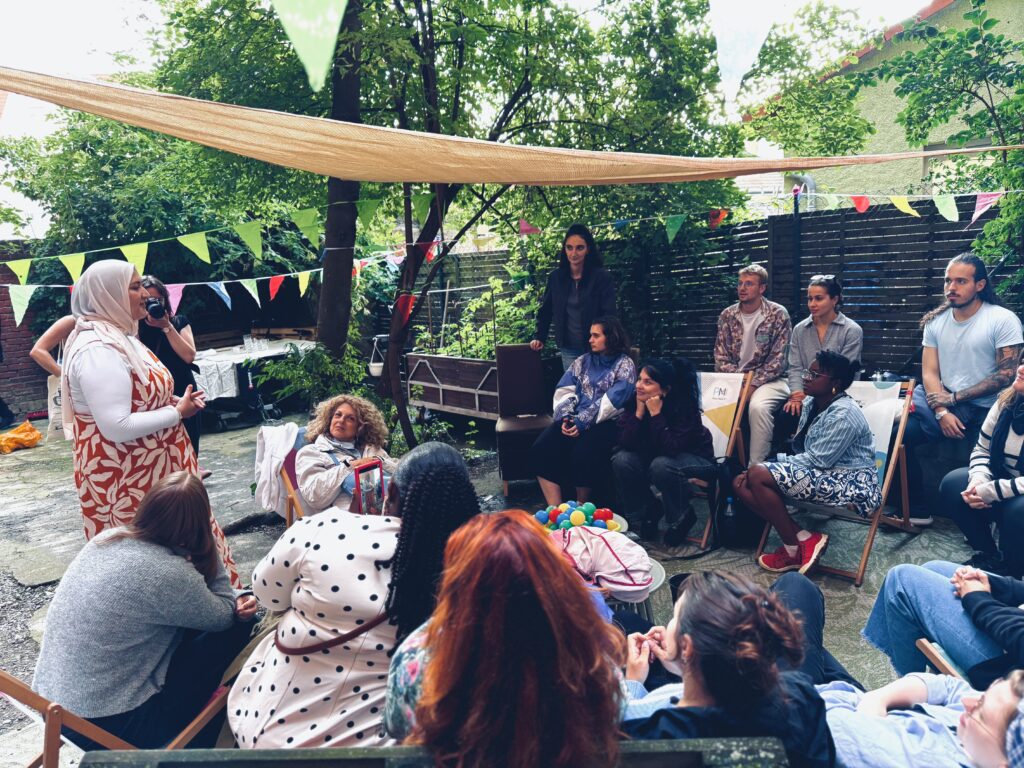
A closing note to colleagues
If I had to summarise what I’m bringing back to CGE in one sentence, it would be this: facilitation is a form of responsibility—for learning, for inclusion, and for the quality of participation we claim to stand for.
I am returning with practical tools (better debriefing structures, clearer instructions, stronger use of voice and space), but also with something less tangible and maybe more important: a renewed commitment to being deliberate about how we lead learning processes. Not just for the sake of “good workshops,” but because the way we facilitate shapes who feels empowered to speak, to try, and to belong.
If any of you are curious, I would be happy to share a short internal session using the same experiential learning cycle we practised in Weimar—so the learning doesn’t stay in my notebook, but becomes part of our collective practice.
