
European Placemaking Academy: Defining Placemaking Together
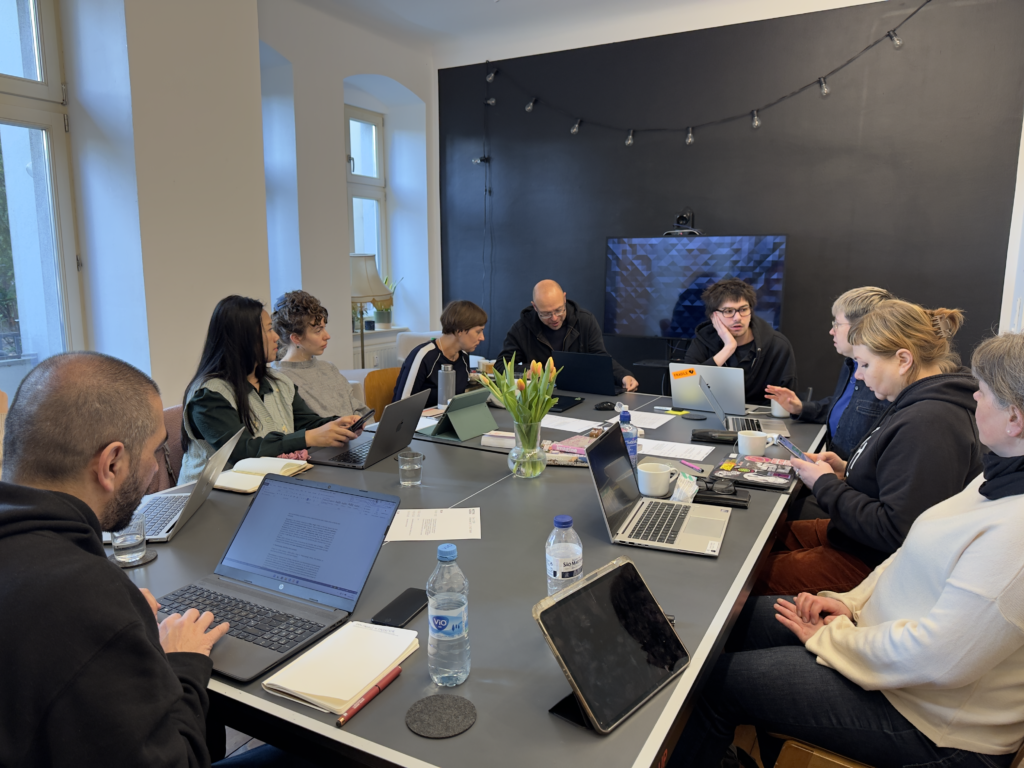
As part of the European Placemaking Academy, partners recently came together for an in-depth working meeting to explore and define what placemaking means within the project.
Rather than starting with fixed ideas, the meeting focused on asking fundamental questions: What is a “place”? What does it mean to “make” a place? Who benefits from placemaking and who might be excluded?
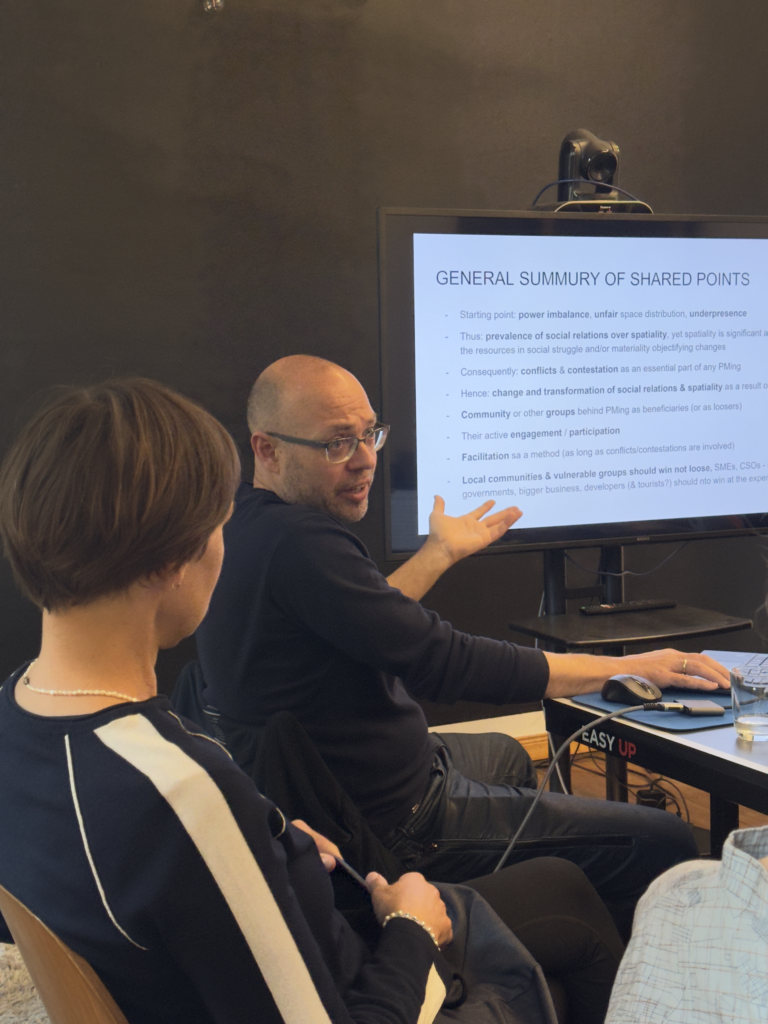
Through discussions, it became clear that partners share a common understanding: a place is not just a physical location, but something shaped by people, relationships, memories, and everyday use. Place is dynamic it changes over time through social interaction and experience.
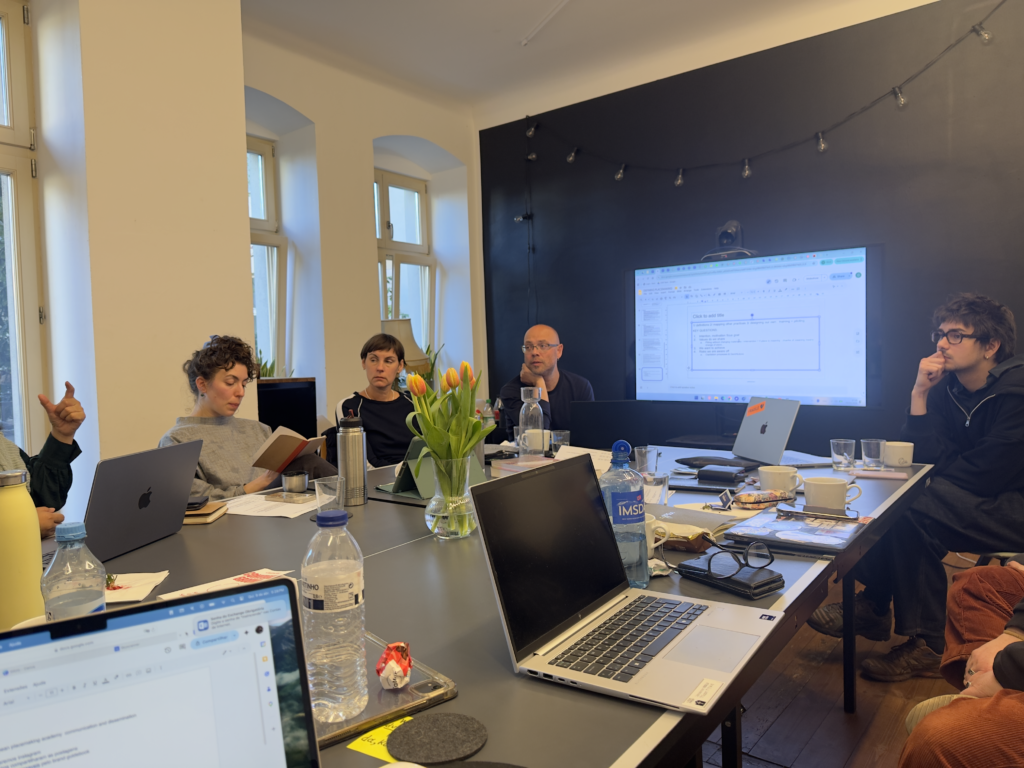
Placemaking, therefore, is not only about designing or improving spaces. It is a collective and people-centered process that transforms social life through space. It involves participation, interaction, and often negotiation between different groups with different needs and perspectives.
At the same time, important differences and critical questions were raised. Partners discussed how placemaking is sometimes presented as inclusive, while in reality it can reproduce inequalities. In some cases, participation remains symbolic, without real decision-making power. There were also concerns about placemaking being used for branding, beautification, or economic interests rather than addressing social challenges.
A key point of discussion was the role of conflict. Instead of avoiding it, partners recognized that tensions and disagreements are a natural and necessary part of placemaking processes. They reflect different interests and can open space for real dialogue and change.
The group also reflected on who should benefit from placemaking. The project places strong emphasis on supporting those who are often excluded from shaping public spaces such as marginalized communities, people with fewer opportunities, and those whose voices are rarely heard in decision-making processes.
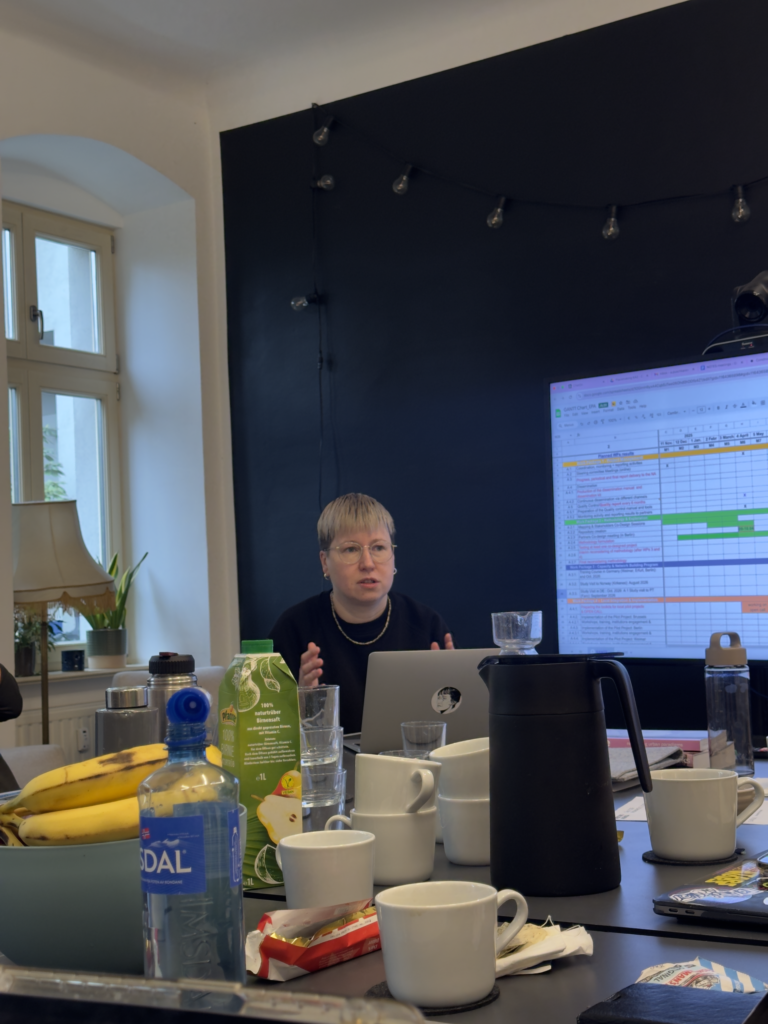
Another important outcome of the meeting was identifying what placemaking should not be. It is not just about beautifying spaces, creating short-term activities, or involving people without giving them real influence. Instead, it should aim at meaningful participation, shared responsibility, and long-term social impact.
This first phase of the project is about building a shared approach while also acknowledging different perspectives and open questions. These discussions will feed into the next steps of the project, including the development of training activities, pilot actions, and further exchanges between partners.
The European Placemaking Academy is not about providing ready-made solutions. It is about learning together, questioning existing practices, and testing new ways of working with public space and participation.
More updates will follow as the project continues to develop.
