
On October 29th, CGE hosted a focus group as part of the GREEN-ID Project.
The project aims to recognise the knowledge, experiences and sustainable practices that migrants already bring to their communities while creating opportunities for them to take a more active role in local environmental and civic initiatives.
As part of the Work Package 2, we invited a group of young adults with a migratory background to share their ecological heritage with us. They came from different places: South Korea, Zimbabwe, Pakistan and El Salvador.
Our participants came to Germany to study several years ago, and now either work or job hunt.
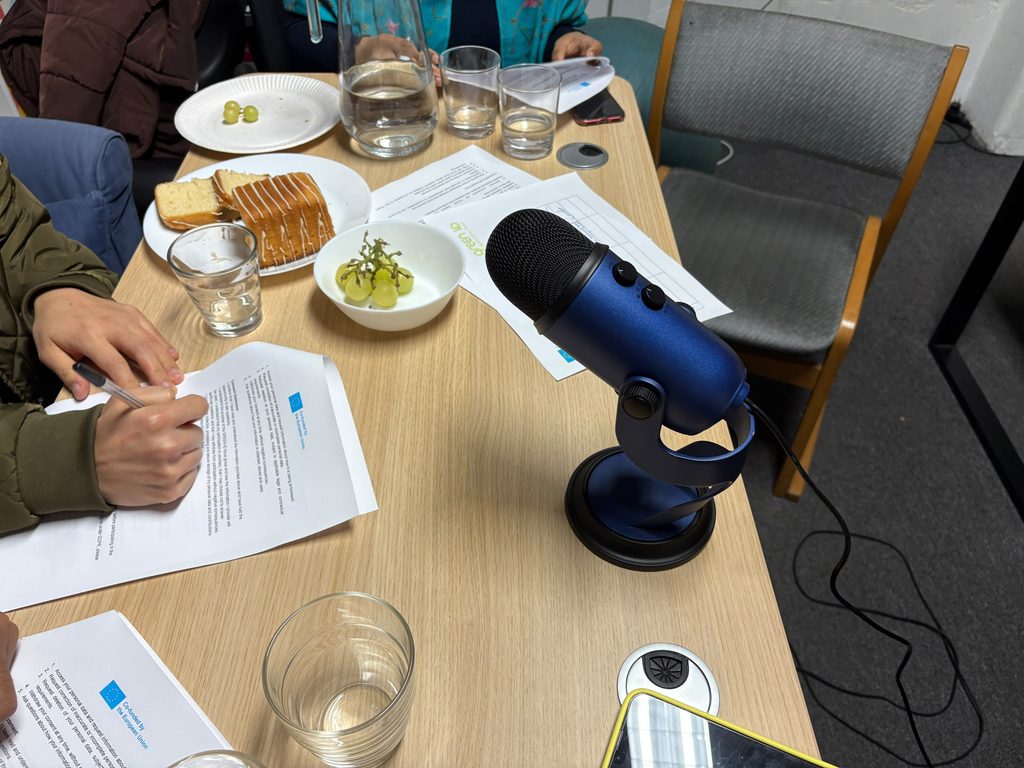
Coming from crowded cities, they find Weimar and Erfurt quiet and limited in options, yet they appreciate the calm. They feel welcomed, though German society seems less open than places like Spain, and the language barrier makes engaging with locals harder, so leaving one’s own bubble takes effort. They also noted that in Germany they feel free of the pressure to dress or behave a certain way, in contrast to the status, income, and competition pressures – a colonial-rooted inferiority complex – they knew at home. Overall, they feel their lives have improved, with a better work-life balance and more room for deeper conversations than small talk.
On ecological practices, participants described how environmental protection is often treated as optional in their home countries. Because of the quality of the infrastructures, In Pakistan, Zimbabwe and El Salvador, they have frequent power shortages, gas scarcity, undrinkable water, and garbage burning. On the other hand, South Korea stands out for strict recycling and an underfloor heating system that reuses heat. They still practice saving leftovers, recycling, and keeping clothes.
In their view, Europe’s main sustainability obstacle is a mass-production, consumerist mindset: appliances are replaced rather than repaired and products wear out faster. They also pointed to a lack of air conditioning and homes designed only to retain heat – which is an increasing issue as summers get hotter.
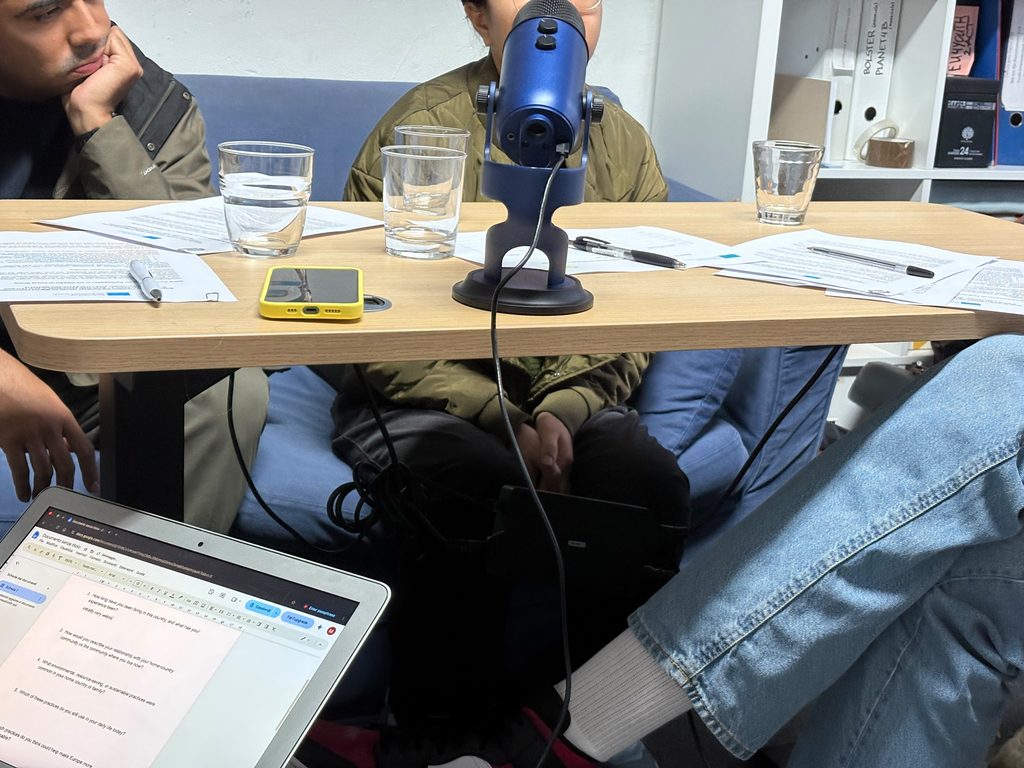
They see no real barriers to joining the local community, other than language, and praised Germany’s strong civic responsibility, though outreach to newcomers could improve, as long-term residents already know about the activities. They named Telegram groups, book exchanges, and thrifting as entry points and said they would like to join local initiatives on reusing fabrics, repairing electronics, recycling, and sharing baby clothes.
These insights will be included in the toolkit we are creating along with our Spanish and Italian partners. In the next phase, we will select our Young Green Ambassadors who will plan local activities.
This Project (P.Nº: 2026-1-IT02-KA210-ADU-000454415) is co-funded by the European Union, through the Erasmus+ program.