
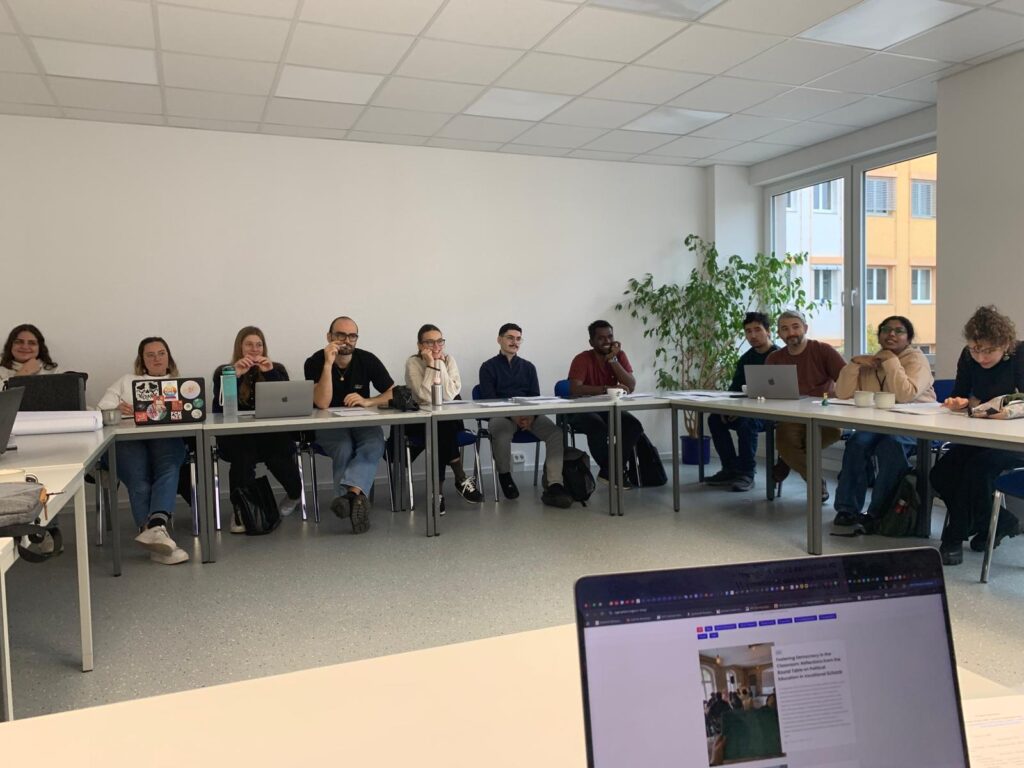
In December, CGE organized two consultation meetings (one online on December 9th and one in person on December 14th) to gather professional feedback on the draft National Position Paper “Democratic Competence as Vocational Competence”. The meetings brought together experts and practitioners from education, youth work, and civil society, creating a valuable space for dialogue and reflection.
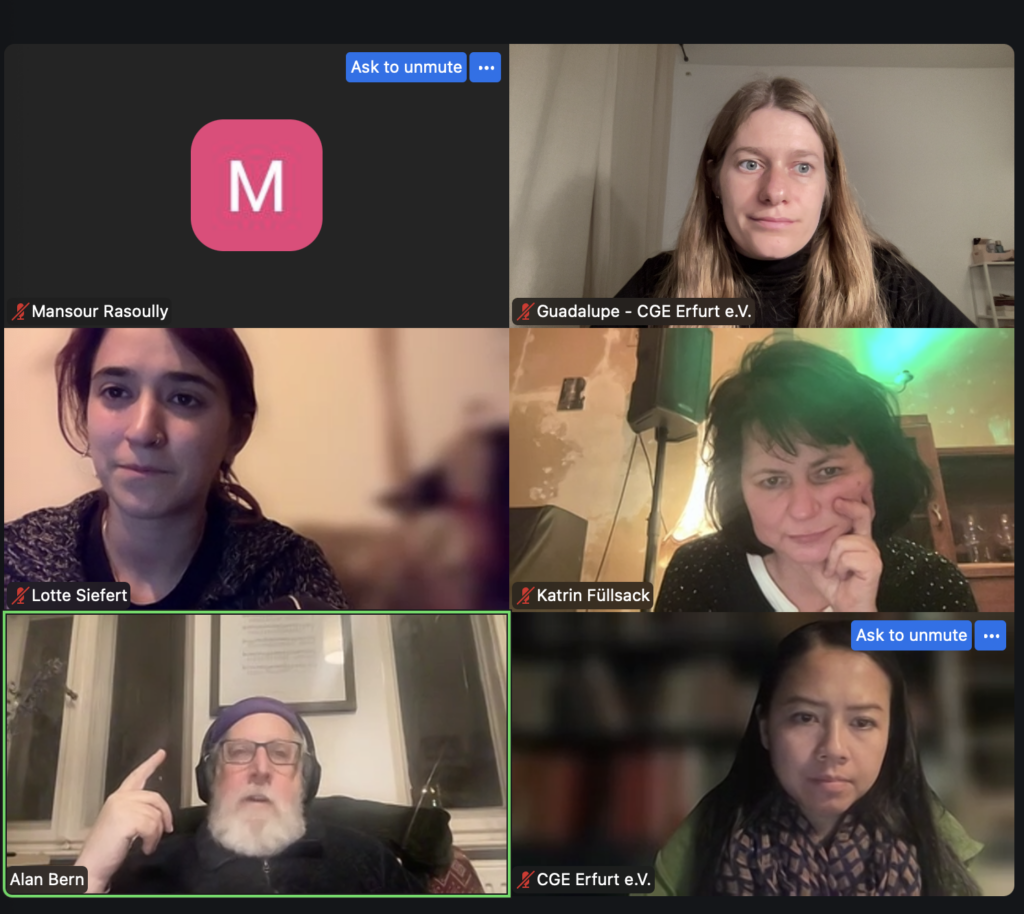
Both meetings began with an introduction to the Civics in VET project and the long process that led to the development of the position paper. The project is grounded in qualitative research, including interviews and exchanges with students, teachers, youth workers, and experts. The goal was to gain a realistic overview of the current state of civic and political education in vocational schools. Research findings highlighted recurring challenges that are also reflected across different European contexts: limited time and resources, difficulties in reaching teachers, the lack of institutionalized civic education within vocational education, and differing understandings of educators’ roles in political education. These insights set the foundation for the discussions that followed.
Participants reviewed the draft position paper and shared impressions, comments, and recommendations. Kex inputs from the online consultation emphasized the need for clearer definitions of political education, stronger references to empowerment and critical thinking, and approaches that actively address polarization by fostering solidarity, shared needs, and social cohesion. Additional feedback focused on strengthening the paper’s pro-democratic narrative, clarifying the importance of teacher qualification and support, and highlighting the broader societal impact of democratic competences.
Across the meetings, participants agreed that the position paper is timely and relevant. Feedback was largely constructive, aiming to strengthen specific aspects rather than proposing fundamental changes. A shared recommendation was to more clearly underline the consequences of inaction and to think about advocacy-oriented follow-up steps, while acknowledging the format and scope limitations of a position paper. Lastly, participants also stressed the importance of a clear dissemination and communication strategy, including reaching out beyond the civic education and vocational sectors to political actors, decision-makers, and the private sector.
Overall, the consultation meetings confirmed the importance of continued dialogue and collaboration in strengthening democratic competence within vocational education. The insights gathered contributed to refining the position paper, which will be available soon.

Written by Guadalupe Farah