
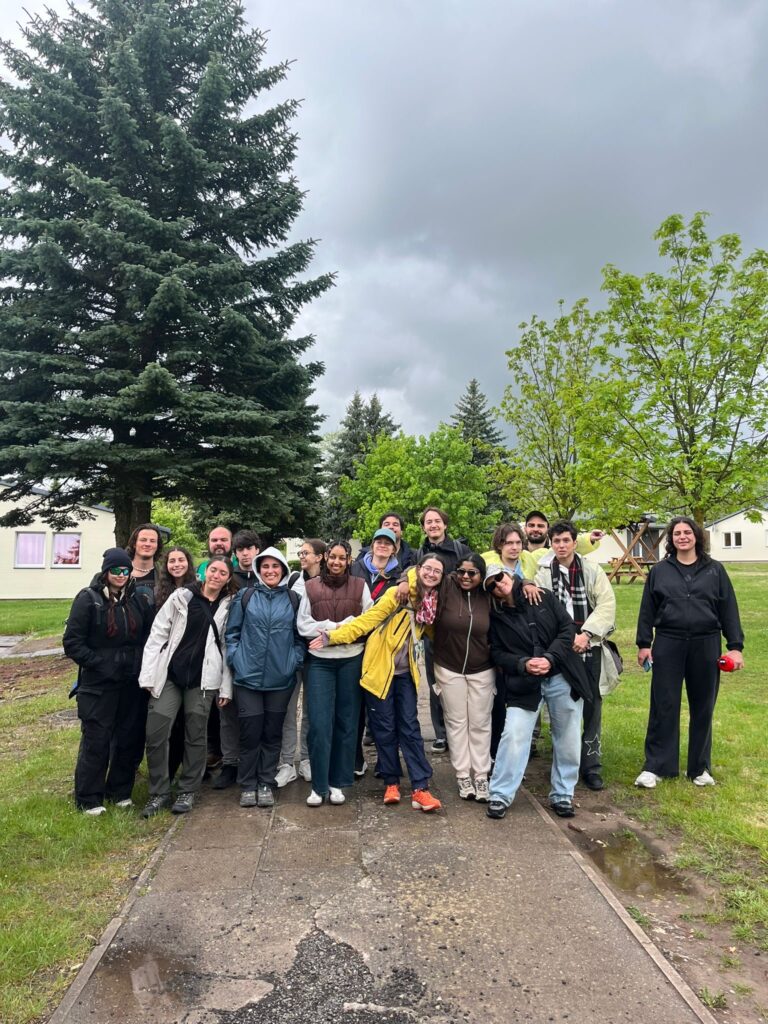
From the 3rd of May to the 9th of May 2026, Culture Goes Europe (CGE) gathered young participants from across Europe in Thuringia, Germany for the second exchange of the Youth for Biodiversity project. The Erasmus+ initiative focuses on biodiversity protection, climate action, and meaningful youth participation, encouraging young people to become active contributors to sustainable futures through intercultural collaboration and creative learning.
Over the course of seven days, participants explored how biodiversity, climate, culture, and social responsibility are deeply interconnected. Through workshops, outdoor activities, discussions, and collaborative projects, the exchange created a space where young people could learn from each other while developing practical skills for environmental action.
The week began with team-building activities and a “nature quest,” where participants explored the local ecosystem through photography and observation. This first day helped establish trust, cooperation, and a shared sense of purpose among the international group. Evening discussions following the documentary How IKEA Plunders the Earth?Encouraged critical reflection on corporate responsibility and environmental impact, and the growing issue of greenwashing particularly how companies may present themselves as environmentally responsible through marketing and branding while continuing practices that contribute to ecological degradation and unsustainable resource use.
As the program continued, participants explored the concept of green competencies, discussing the skills needed to balance human needs with ecological limits such as critical thinking and effective communication and scientific and technical skills. Through brainstorming sessions, they reflected on environmental challenges in their own countries and examined how young people can influence local and global environmental challenges and solutions. A forest walk combined with meditation and creative observation activities reinforced the importance of reconnecting with nature as part of environmental awareness.
One of the central themes of the exchange was future literacy and nature-based solutions. Participants worked in groups to imagine expected, alternative, and preferred futures, creating collage posters from recycled materials to visualize their ideas. They also explored solutions such as rewilding projects, wetlands, urban gardens, and sustainable land management practices. Using clay prototypes and collaborative design methods, country teams transformed abstract environmental concepts into practical and locally adaptable solutions to address climate-related challenges in their communities. The Portuguese team presented an idea focused on using farm animals for controlled grazing to reduce excess dry vegetation and help prevent the spread of wildfires. The Italian team developed a concept for renovating urban buildings by integrating more green spaces and vegetation to improve student wellbeing and urban sustainability. The German team proposed increasing tree coverage around public spaces such as Dom Platz to strengthen urban resilience, provide shade, and improve air quality. Meanwhile, the Swedish team focused on wetland rehabilitation as a natural solution for biodiversity protection, water management, and climate adaptation. Through these creative prototypes, participants demonstrated how local environmental actions can contribute to broader sustainability and climate goals while reflecting the specific needs and realities of their countries.
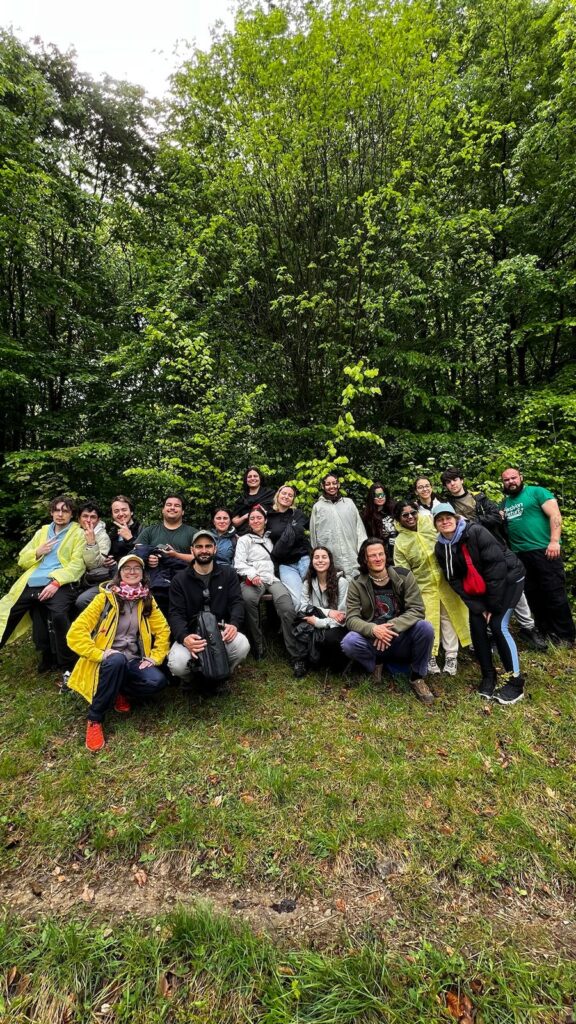

Youth participation was another major focus of the exchange. Through interactive workshops, participants explored what meaningful participation truly requires, identifying five key elements: rights, support, opportunities, means, and space. Discussions highlighted how young people often face barriers such as limited political representation, insufficient funding, or resistance toward unconventional environmental solutions. At the same time, the workshops demonstrated how access to resources, mentorship, and inclusive spaces can empower youth to become active decision-makers.
The program also emphasized experiential and intercultural learning. Participants explored local villages and forests, discovered innovative biodiversity projects in Erfurt, and learned about initiatives such as community gardens and how to interact within it. Intercultural evenings, shared meals, music, dance, campfires, karaoke, and storytelling strengthened connections between participants and celebrated Europe’s cultural diversity.
Throughout the exchange, creative and collaborative methods played an important role in overcoming language barriers and encouraging participation from everyone involved. Visual tools such as collages, theatre performances, advocacy videos, and prototype building allowed participants to communicate ideas beyond words and engage with complex environmental topics in accessible ways.
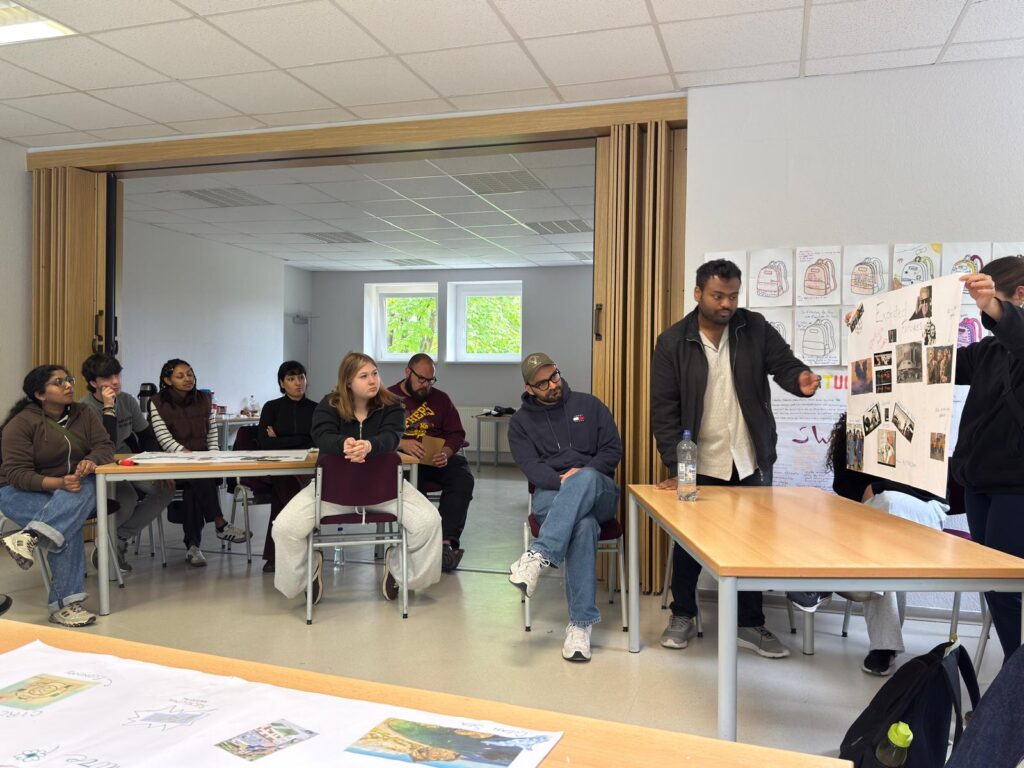
The final days focused on reflection and future commitments. During the “Backpack Activity,” participants shared the knowledge, skills, and experiences they would carry home with them, as well as the actions they hope to take within their communities. Many left inspired to promote biodiversity awareness through local workshops, social media campaigns, community initiatives, or advocacy for stronger youth involvement in environmental decision-making.
As part of the closing activities, participants also visited a natural park where they observed and interacted with monkeys and other animals in a protected environment. This experience reinforced discussions on biodiversity conservation, the importance of protecting wildlife habitats, and the interconnected relationship between humans, animals, and ecosystems. By directly experiencing the richness of local biodiversity, participants deepened their understanding of the need for responsible environmental stewardship and the protection of natural ecosystems for future generations.
The participants left the exchange inspired by creativity, openness, and motivation. The YOUTH4B exchange demonstrated that young people are not only beneficiaries of environmental policies, but active co-creators of sustainable futures, capable of taking meaningful action to protect the environment, promote biodiversity, and encourage sustainable practices in their communities. By combining intercultural dialogue, practical learning, and youth-led innovation, the project showed how small local actions can contribute to broader systemic change.
A special thank you goes to all participants, facilitators, and partners who contributed their energy, ideas, and commitment throughout the week. Experiences like this remind us how important it is to continue creating spaces where young people feel empowered to imagine, discuss, and shape a more sustainable future together.
“We didn’t just learn about biodiversity, we lived it, debated it, and dreamed of ways to protect it together for a better future.” – Participant of the Youth Exchange
The Youth4Biodiversity project (P. Nr.: 2025-1-DE04-KA152-YOU-000300460) was implemented in partnership with Goodness of People from Sweden, Onda Verde from Portugal, Fondazione Toscana Sostenibile from Italy, and Culture Goes Europe e.V. from Germany. This project is co-funded by the European Union, through the Erasmus+ program.