READ THE MESSAGE. SEE THE POWER. BUILD A RESPONSE!
From 14 to 22 September 2026, young people from six European countries came together in Sintra, Portugal, for the Erasmus+ youth exchange “Build the Resistance – How We Fought in the Past” (Project No. 2026-1-DE04-KA152-YOU-000396039).
The six partner organisations involved were Volonterski Centar Vojvodine (Serbia), Dinamo Associação de Dinamização Sócio-Cultural (Portugal), Culture Goes Europe e.V. (Germany), Euroactive Spain, Respirare Sinapsi (Italy), and Koinoniki Synetairistiki Epichirisi Syllogikis Kai Koinonikis Ofeleias Eyforia (Greece). This project created an international space to explore the history of fascism and authoritarianism, understand the different forms of resistance that emerged in the past, and reflect on how young people can respond to far-right ideas and political communication today.
Rather than learning about history only through presentations, the project used non-formal education, discussion, creative activities, visits, teamwork and intercultural exchange to encourage participants to question, analyse and create.
Understanding the past to recognise the present
The project began by creating a shared understanding of fascism, the far right and resistance. Through energisers, communication challenges and teamwork activities, participants quickly had to learn how to listen to one another, cooperate and communicate in different ways.
One activity challenged participants to reconstruct a fictional crime scene while guiding blindfolded team members without using words. Beyond being a fun team-building exercise, it encouraged participants to think about communication, trust and the different ways information can be transmitted.
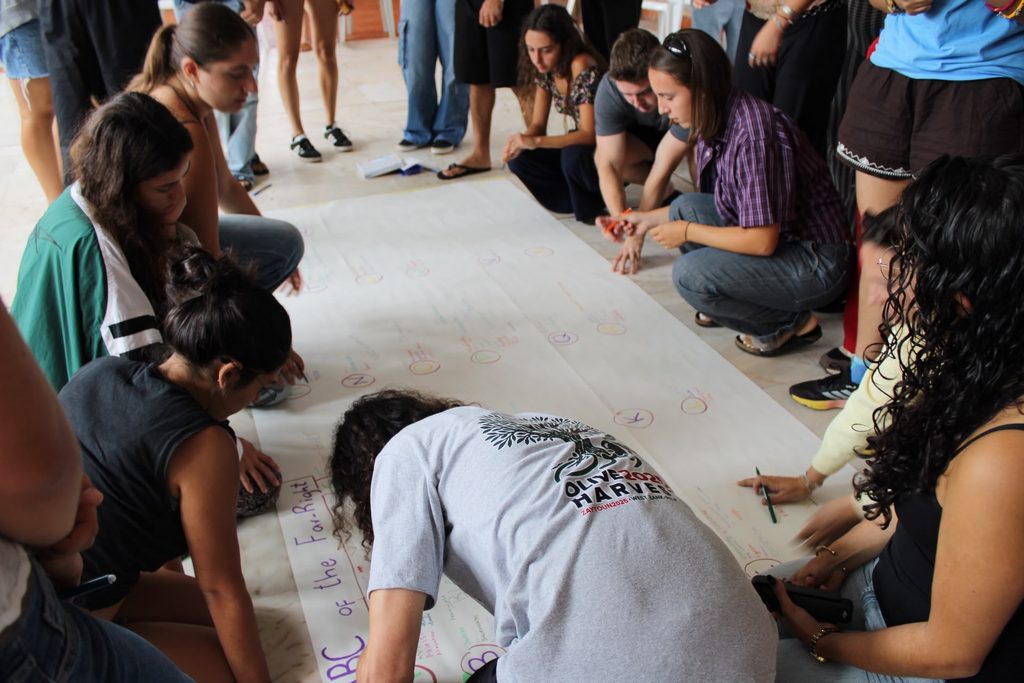
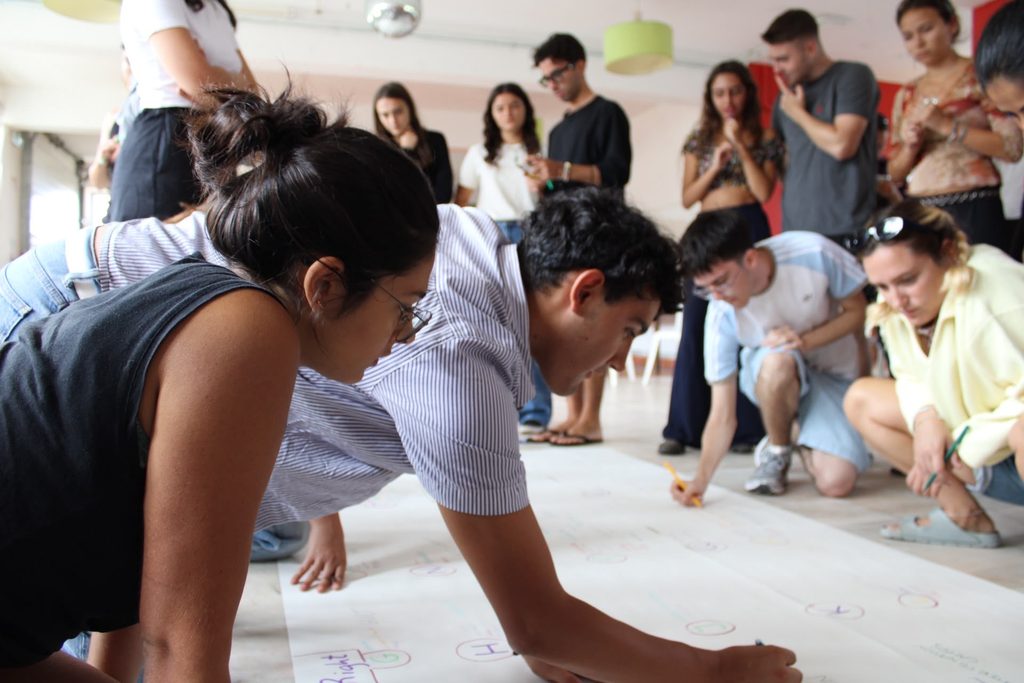
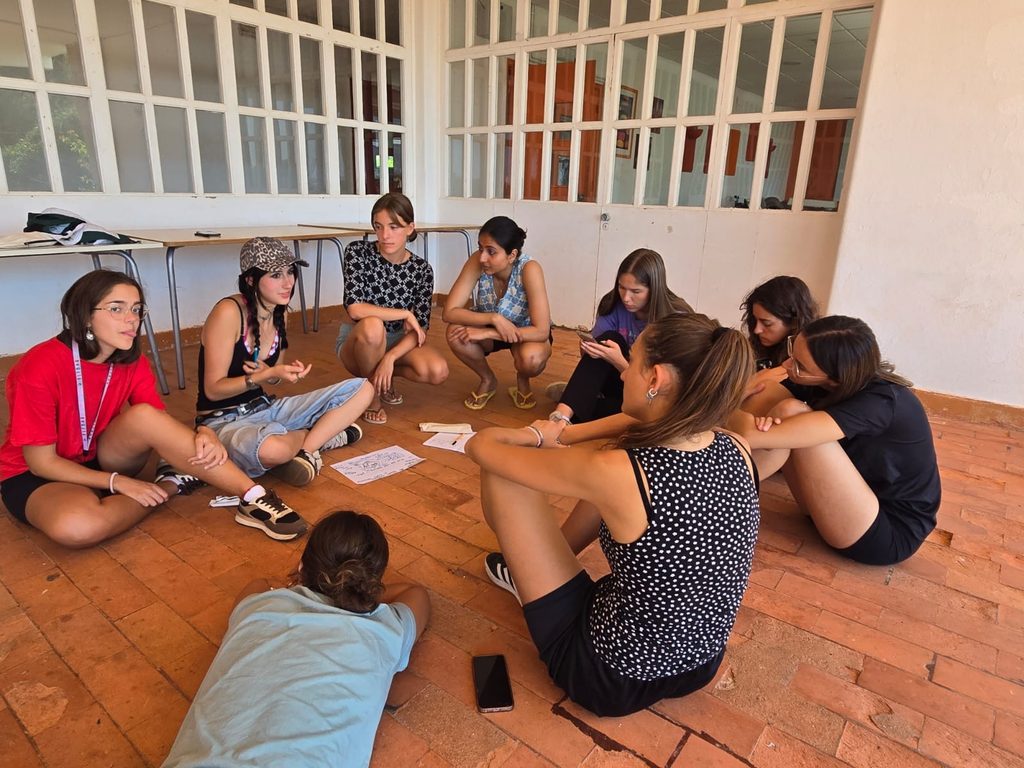
The group then collectively explored an “alphabet of far right and fascism”, gathering words, ideas and concepts associated with authoritarian and far-right movements. Working in smaller groups, participants transformed these ideas into mind maps and presented their reflections to the rest of the group.
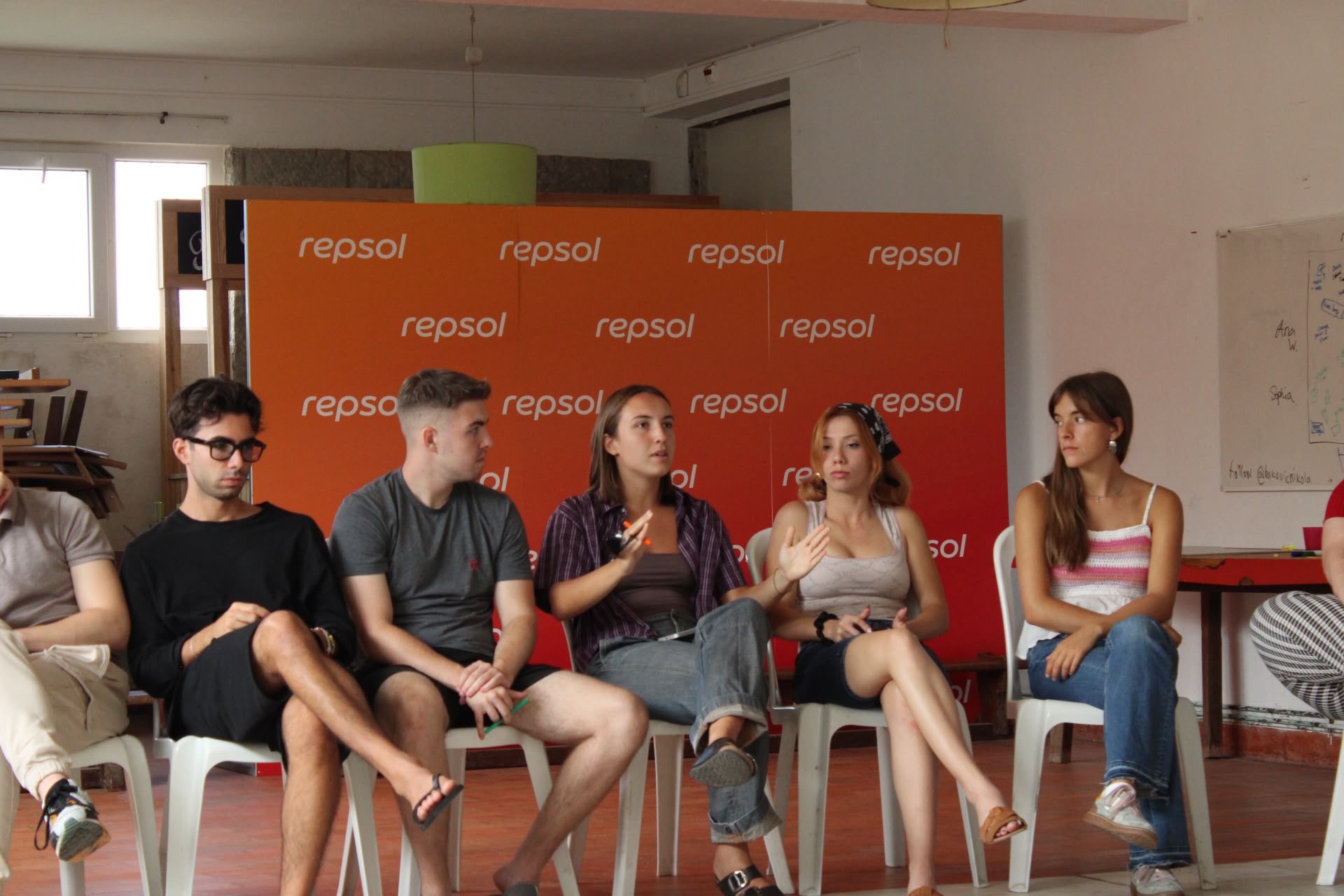
Images also became a starting point for discussion. Participants selected photographs connected to fascism and resistance and explored why particular images caught their attention and what they represented to them. These conversations helped connect historical events with personal interpretations and experiences.
A central part of the exchange was the opportunity to discover how fascism and resistance developed differently across the participating countries. Each national group prepared and facilitated a presentation about its own country’s historical context, giving everyone the chance not only to learn but also to become a facilitator and share knowledge with the international group.
Walking through the history of resistance
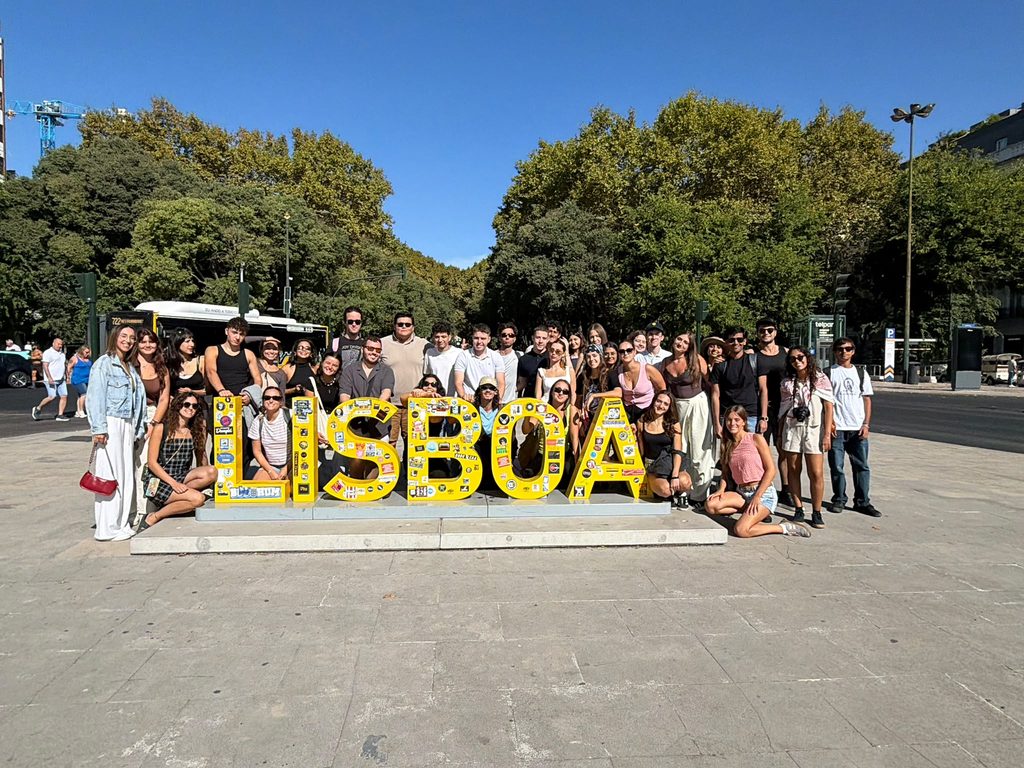
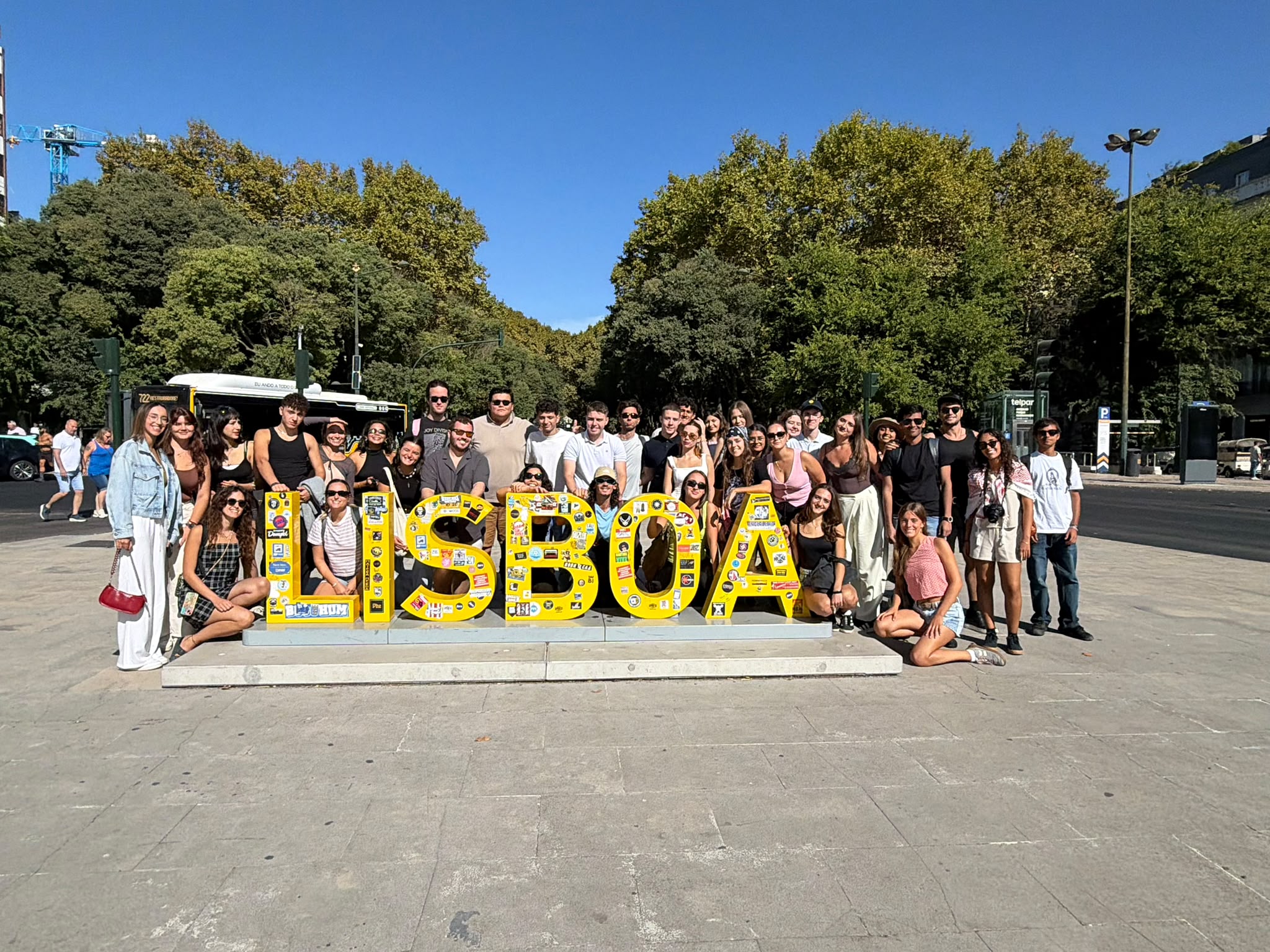
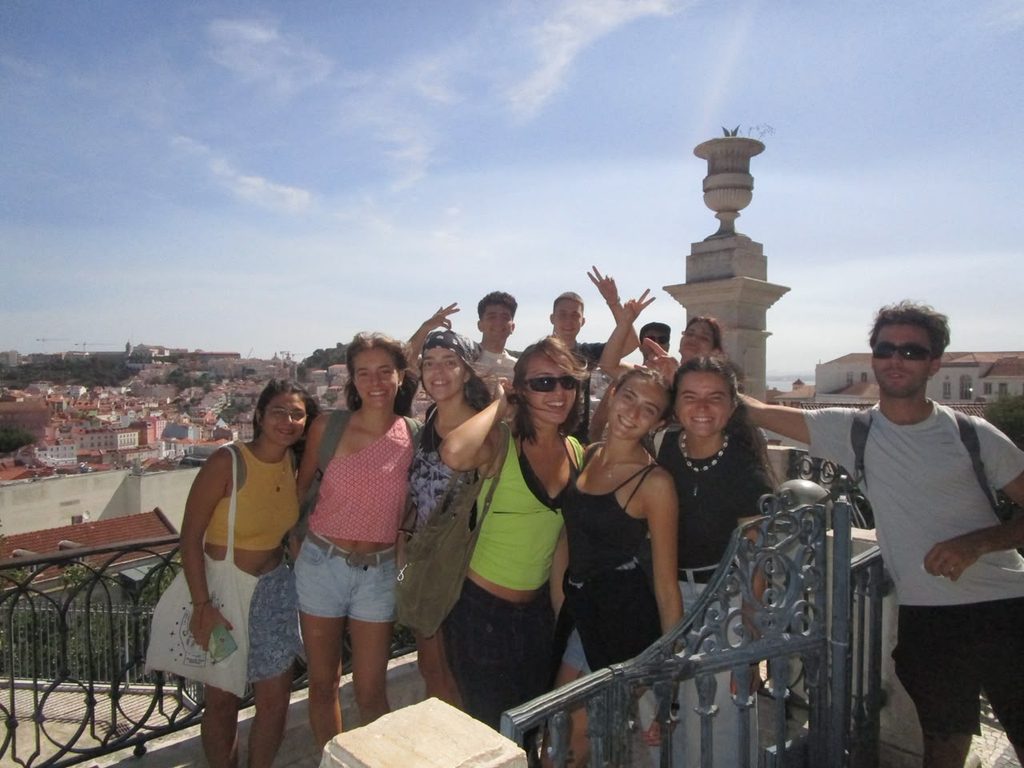
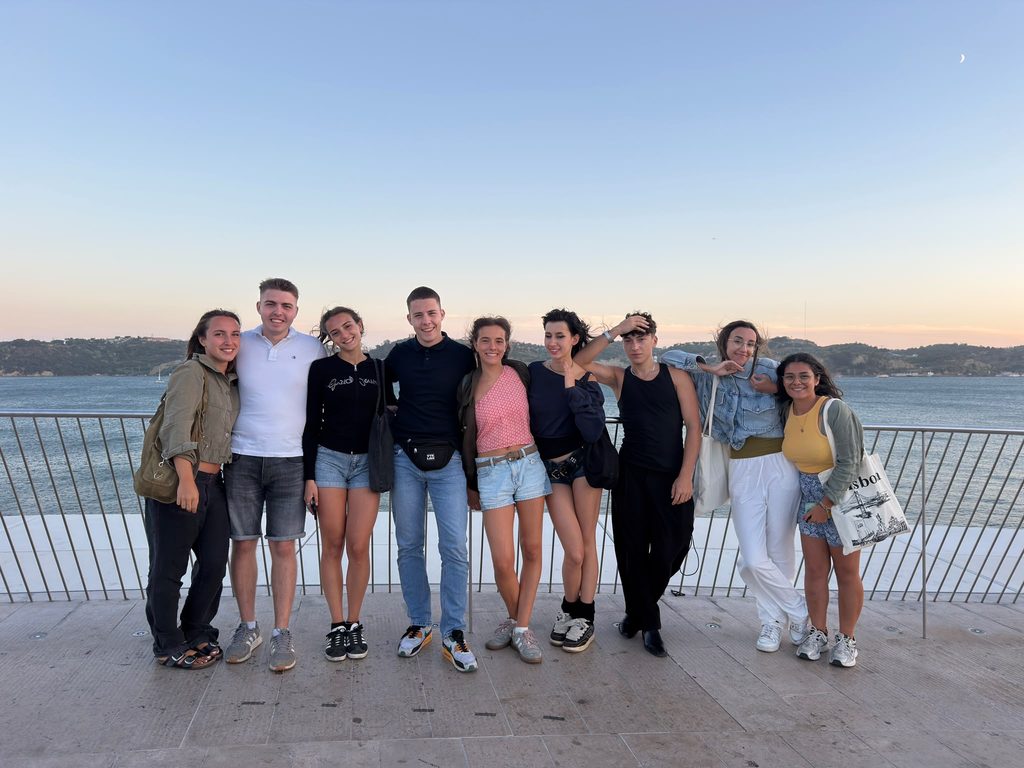
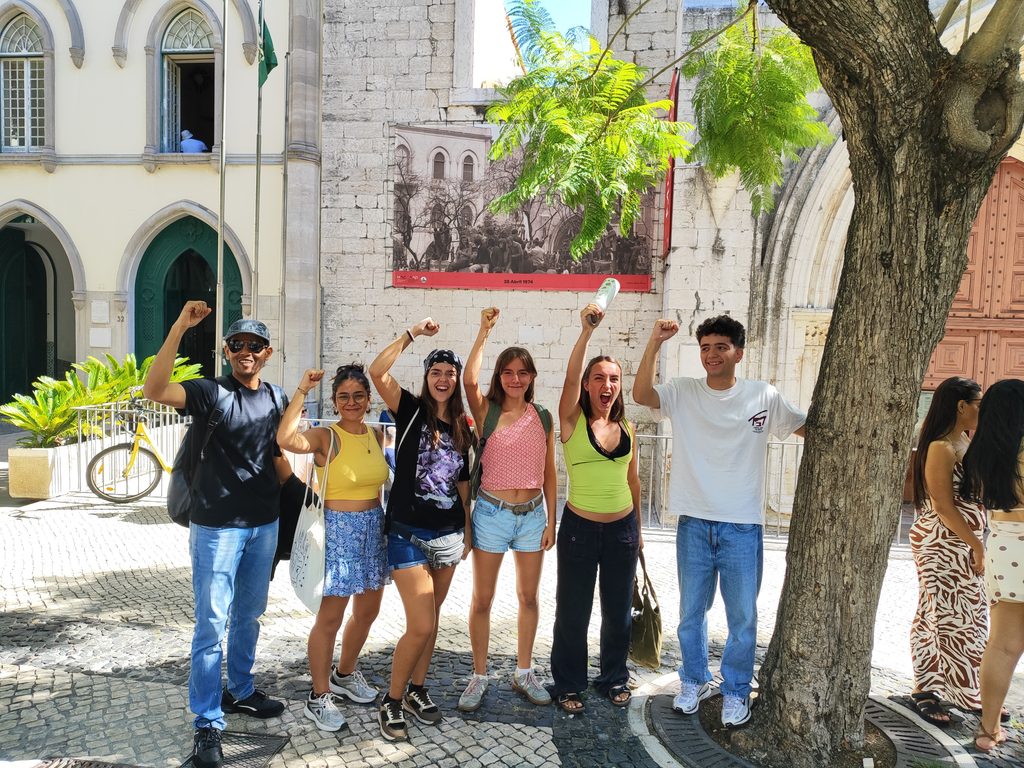
One of the highlights was a study visit to Lisbon, where participants explored locations connected to Portugal’s history of fascism and resistance. Working in smaller groups, they investigated important historical sites around the city, turning Lisbon itself into a learning environment.
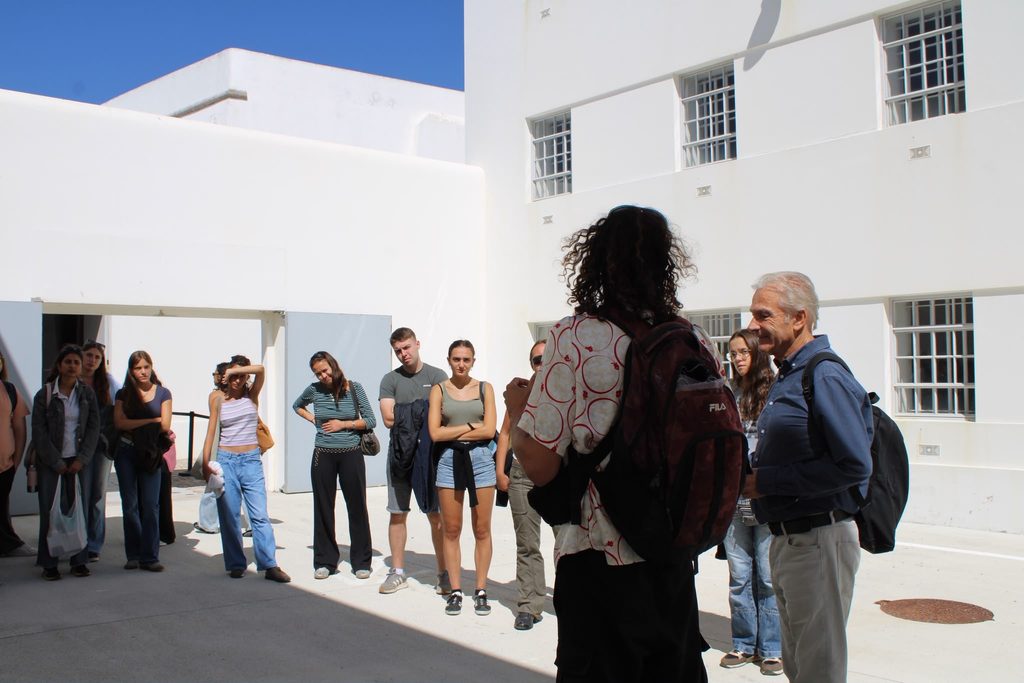
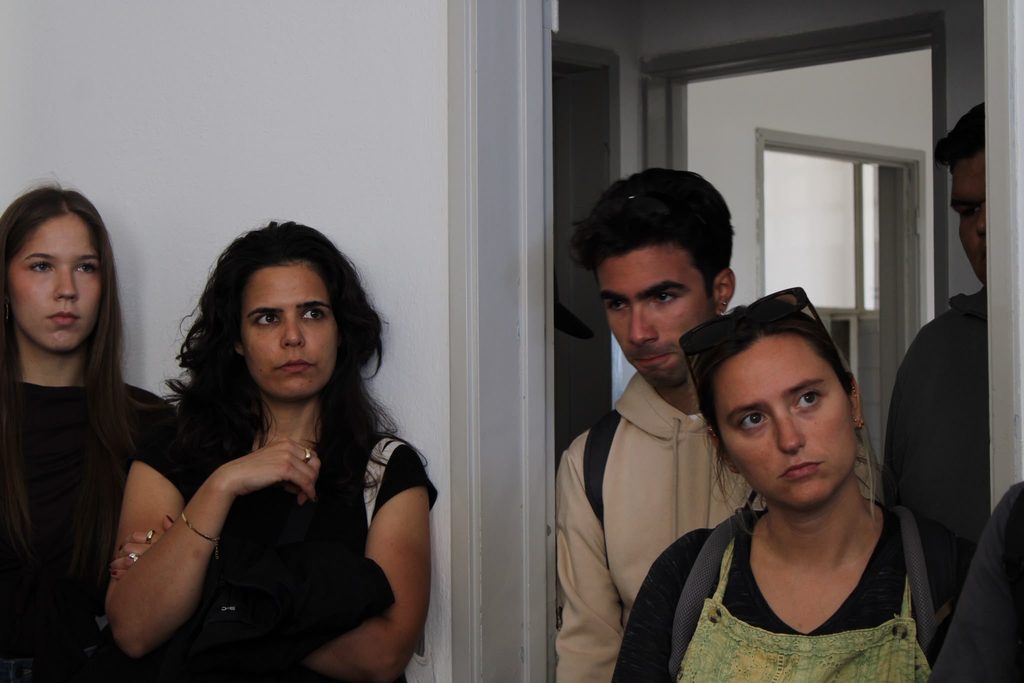
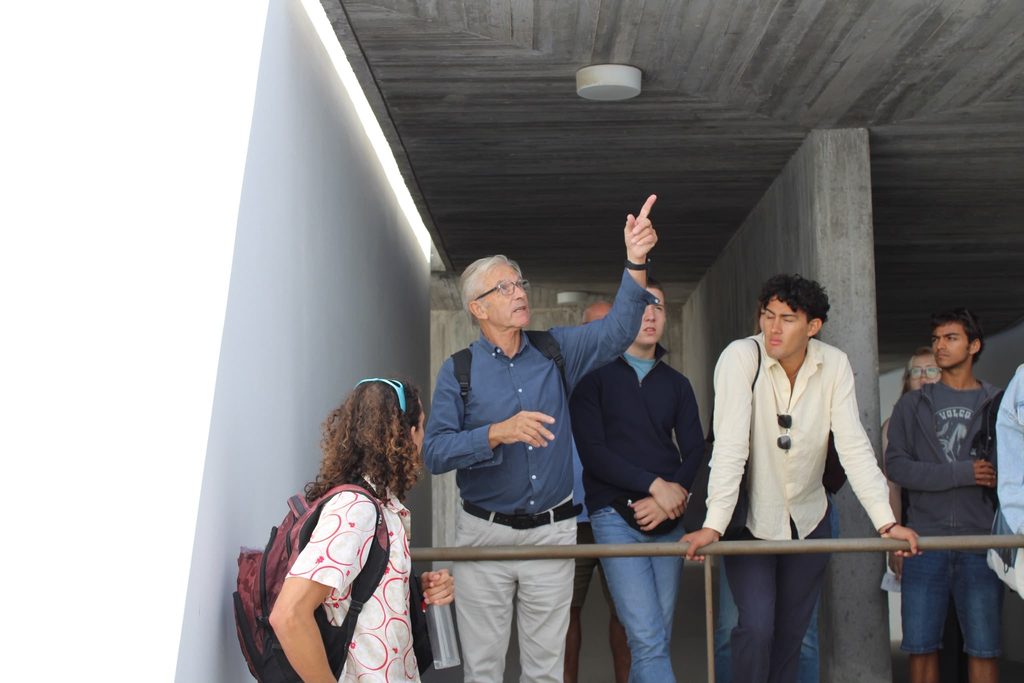
Another particularly powerful experience was the visit to the Fort of Peniche, which was used as a prison for opponents of Portugal’s authoritarian regime for decades. There, participants had the opportunity to hear the testimony of José Pedro Soares, a political activist who had himself been imprisoned there.
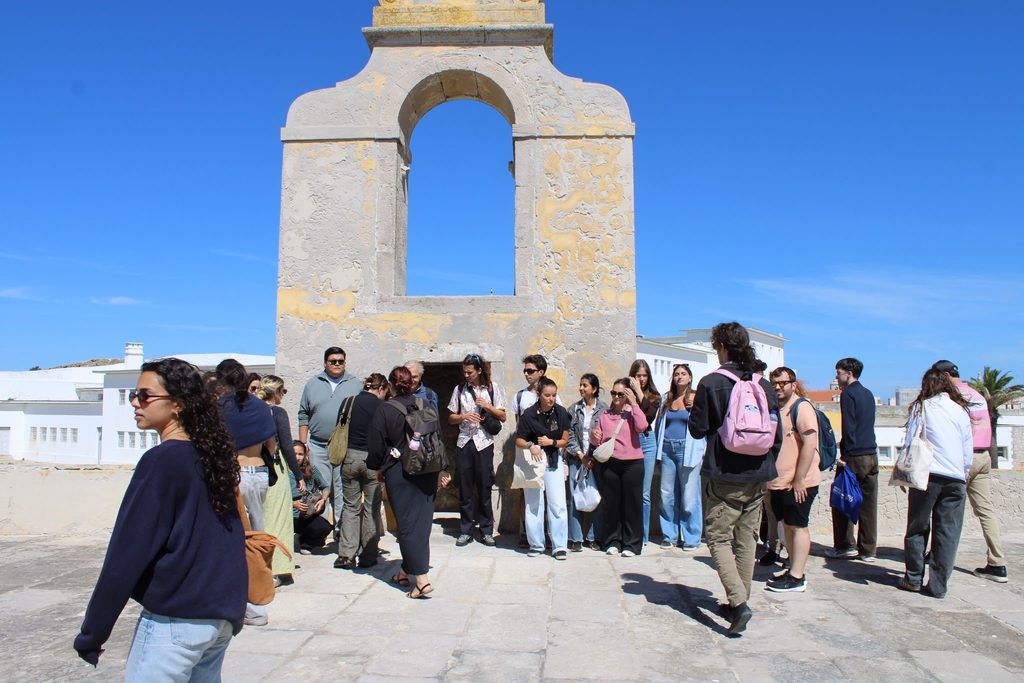
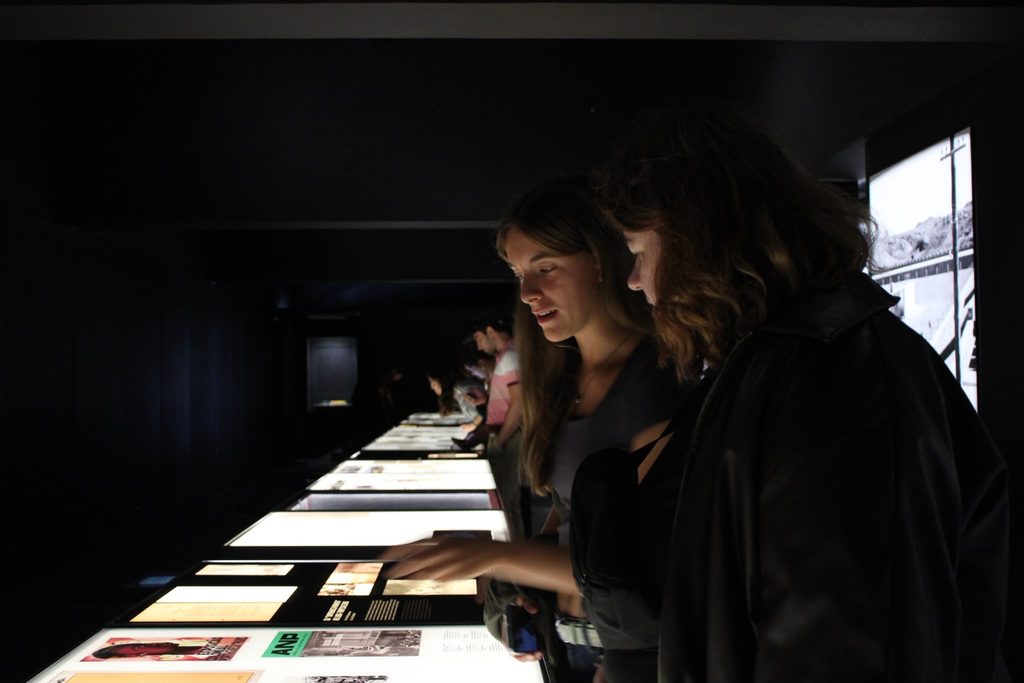
Hearing a personal testimony transformed historical knowledge into something much more immediate. His experience offered participants an opportunity to reflect on the importance of democratic participation, political freedom and the responsibility to remain engaged when democratic values are threatened.
The experience of history was also strongly connected to the present. Rather than treating fascism and resistance as subjects belonging exclusively to the past, the project encouraged participants to ask how political messages spread today, how authoritarian ideas can gain visibility, and how citizens can respond.
Learning from six different perspectives
One of the strengths of the exchange was its international dimension. Participants from Serbia, Italy, Greece, Spain, Germany and Portugal brought different historical experiences and national perspectives to the discussions. Through participant-led sessions, the group explored the development of fascist movements and authoritarian regimes in each country, as well as the people and movements who resisted them.
This created an opportunity to discover both differences and common threads across European history. Participants were not simply listening to experts: they were responsible for sharing knowledge, facilitating activities, asking questions and helping each other understand complex historical contexts.
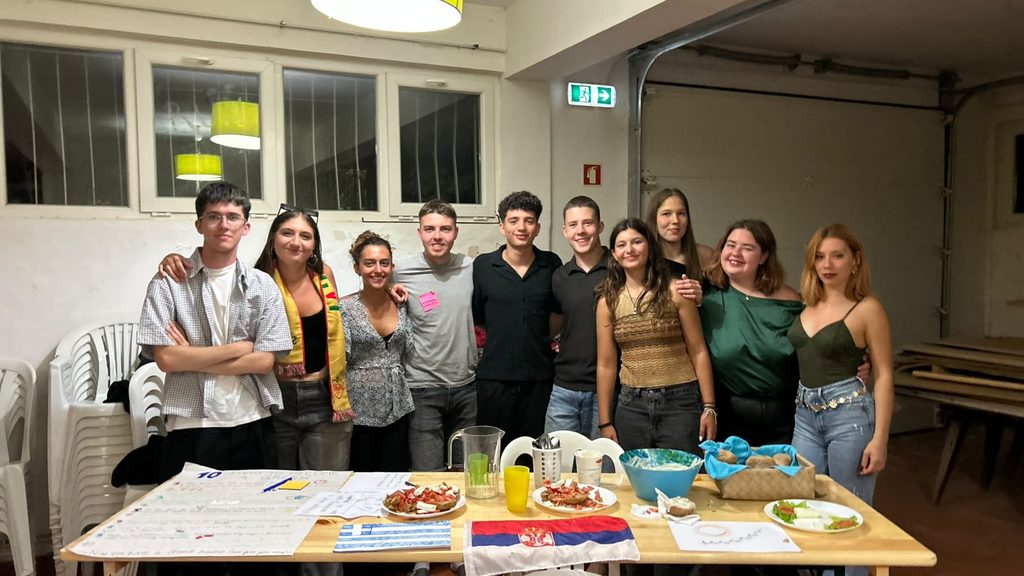
The intercultural dimension continued outside the formal sessions. During the intercultural evening, participants shared traditional food, music, stories and customs from their countries. Learning about each other’s cultures helped create connections within the international group and provided a more personal perspective on the diversity of Europe.
The exchange also offered space to discover opportunities for young people to become active beyond the project itself, including through volunteering opportunities across the European Union.
From history to action: art as resistance
A major part of the project focused on the relationship between art, activism and resistance.
Through a World Café, participants discussed social issues connected to the past and present, explored different meanings and forms of resistance, and discovered the concept of “artivism”,using artistic expression as a way to communicate social and political messages.
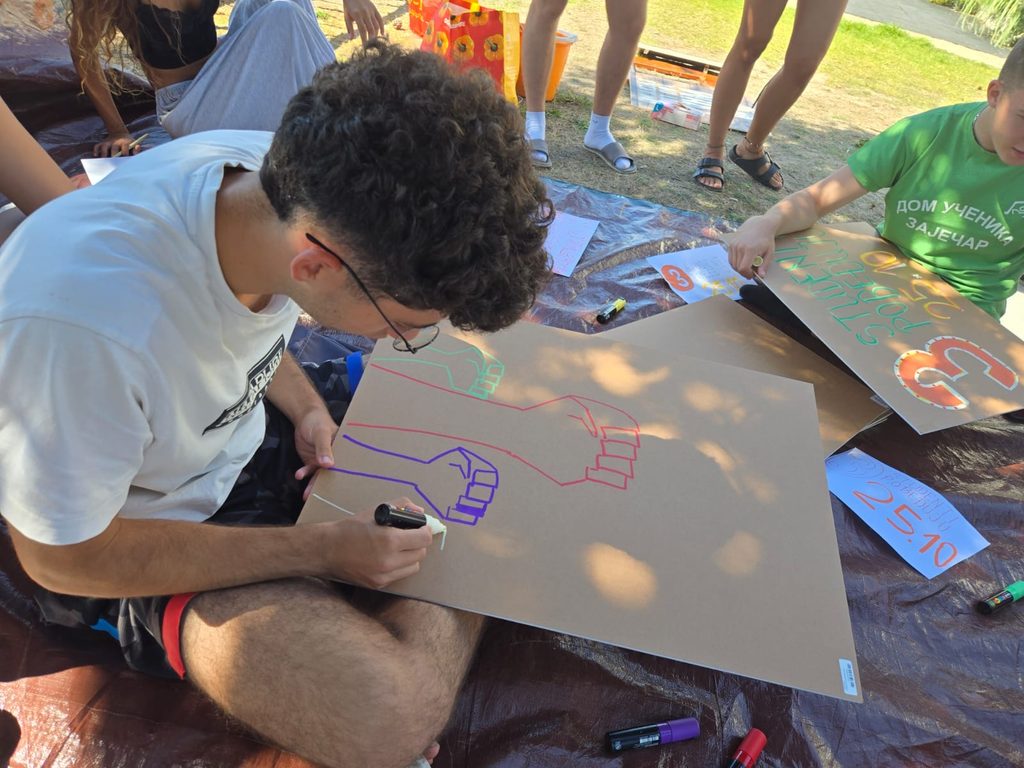
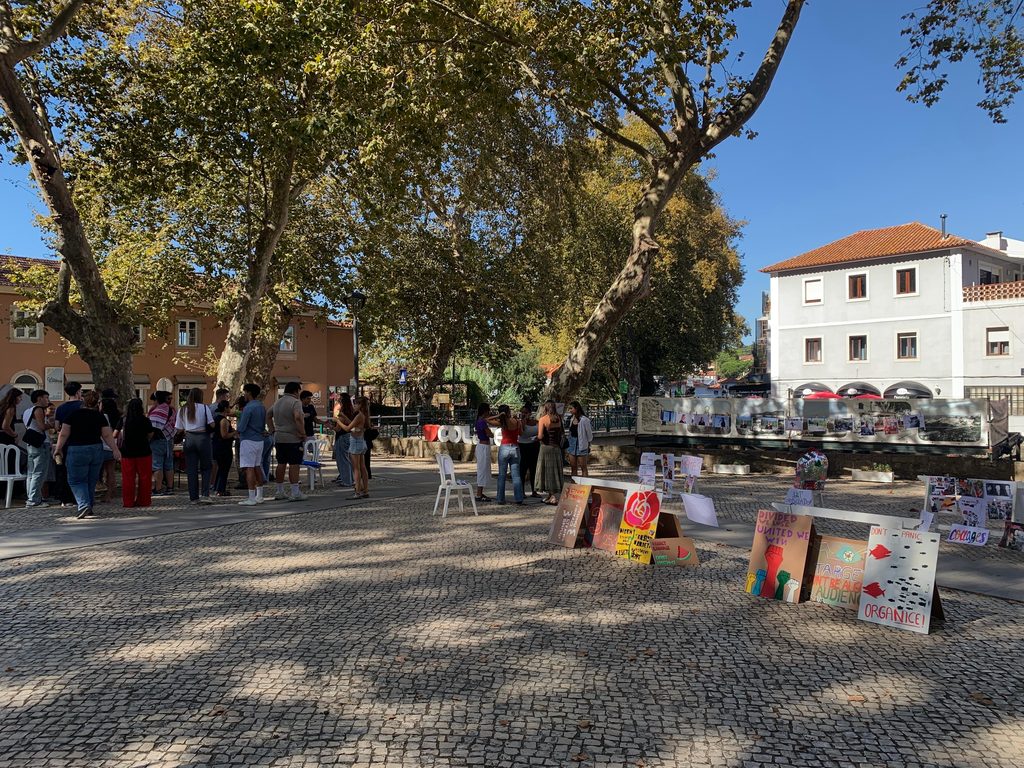
Then, participants were invited to choose the forms of expression that spoke to them most. Stencils, graffiti, videography, spoken word, poetry and music became tools for exploring their own concerns and ideas. The creative process continued with collages, zines and memes, allowing participants to experiment with contemporary forms of political and social communication.
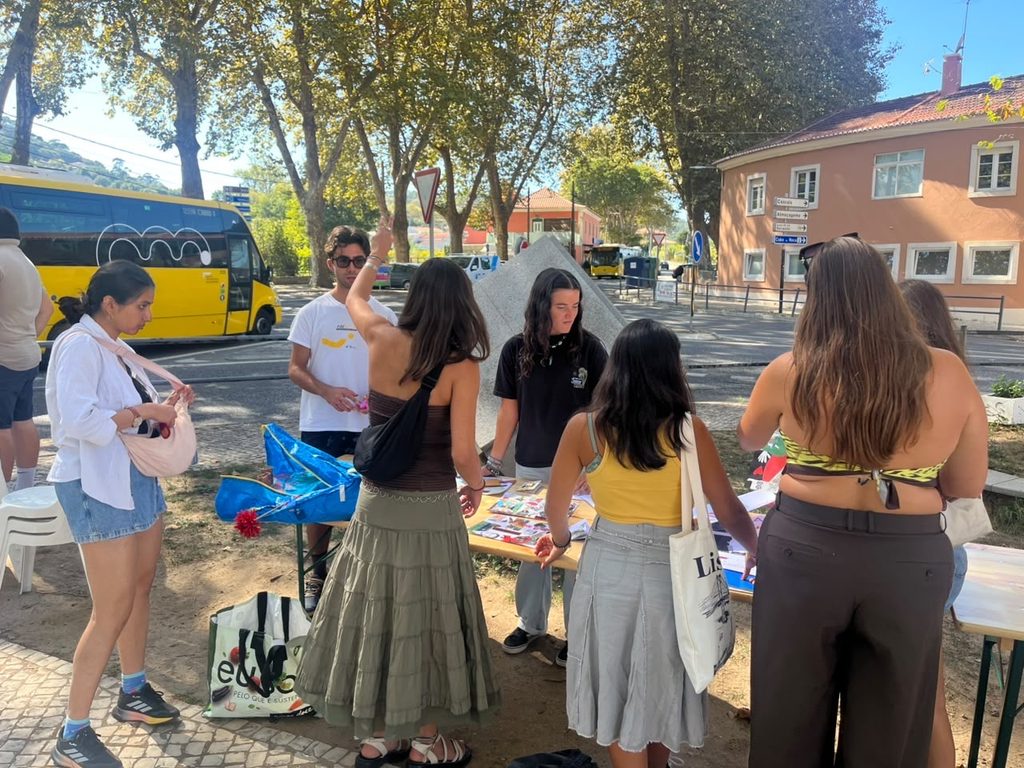
The participants organised an exhibition presenting their artworks and ideas in Colares, Sintra. They could spoke publicly about their concerns and struggles related to the rise of far-right ideas which made the experience even more empowering. The exhibition became a concrete example of what the project aimed to explore understand, reflect, create and take action.
Beyond the workshops
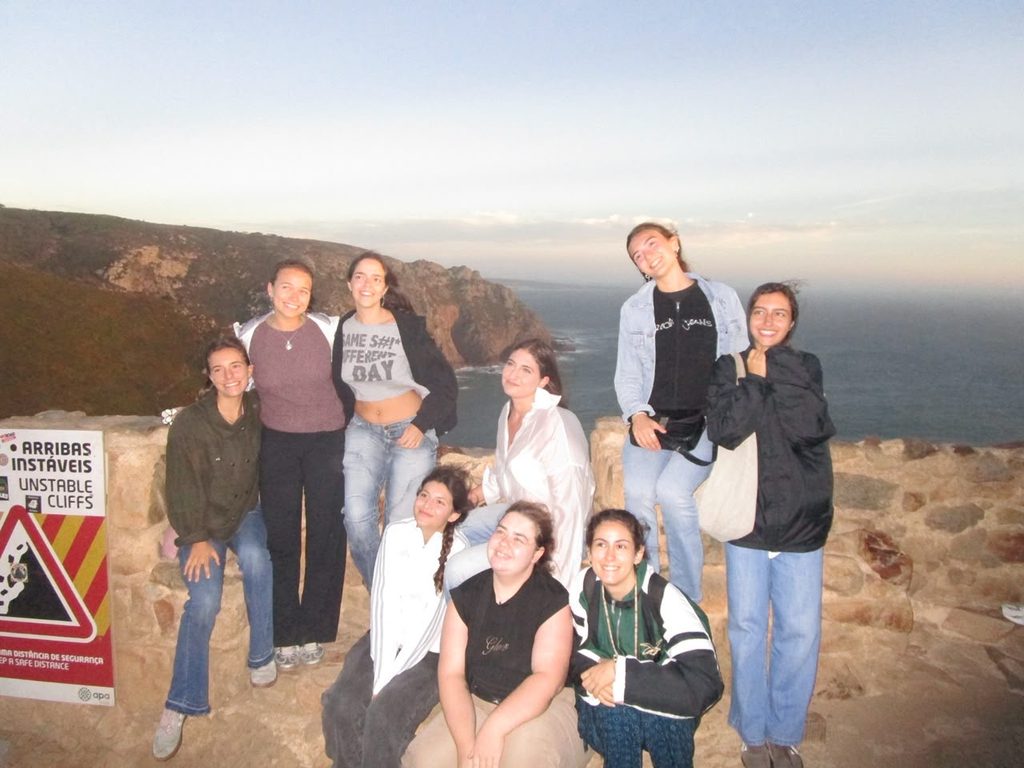
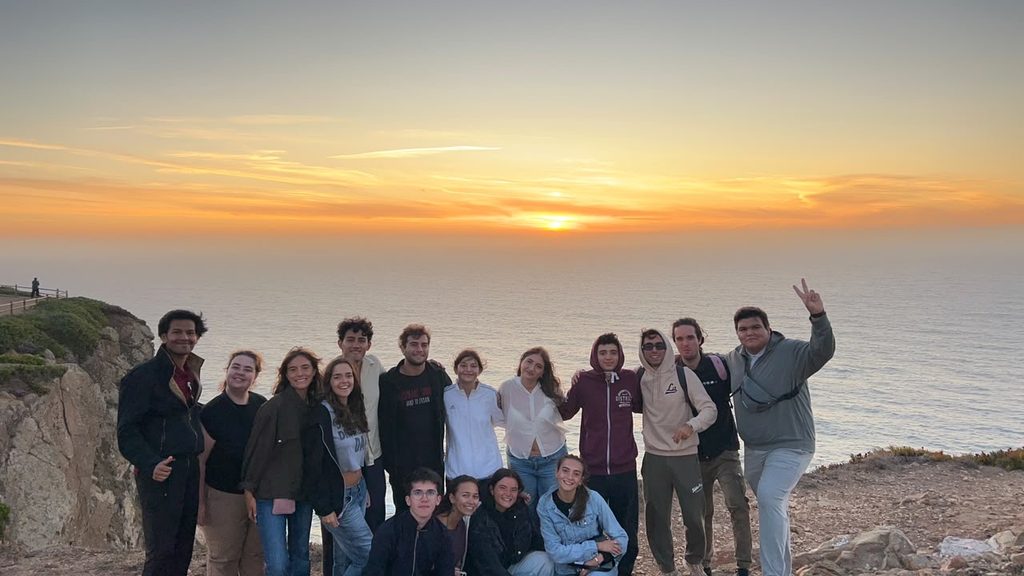
The exchange was also dedicated to discovering Portugal, spending time together and building relationships within the international group.
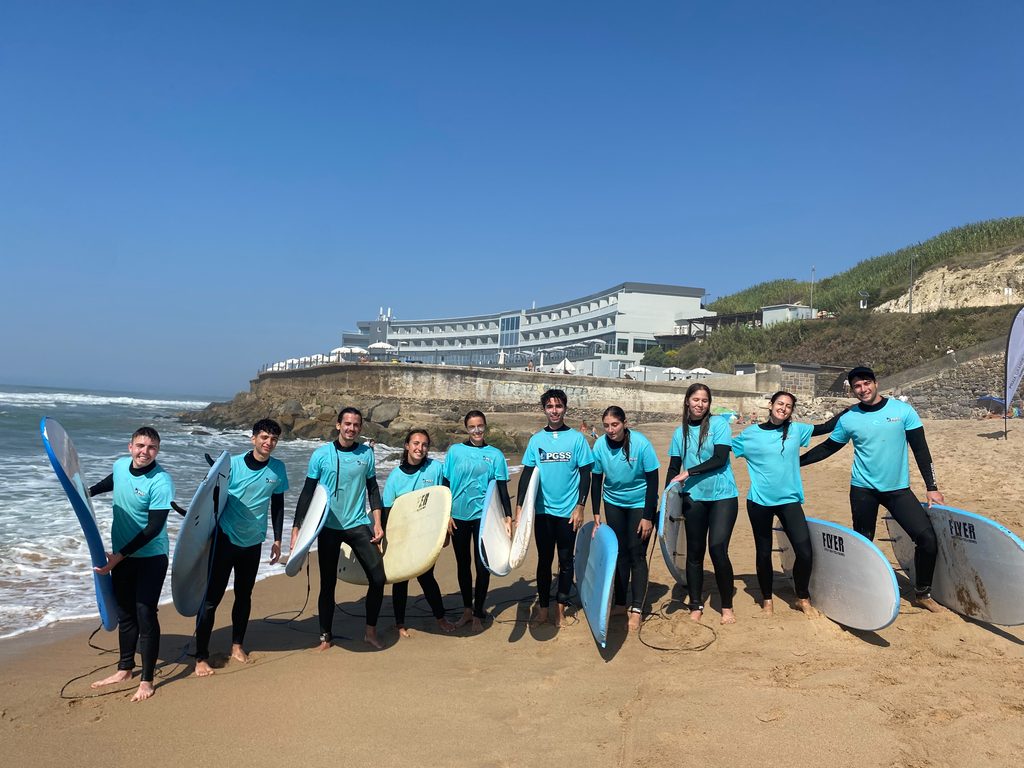
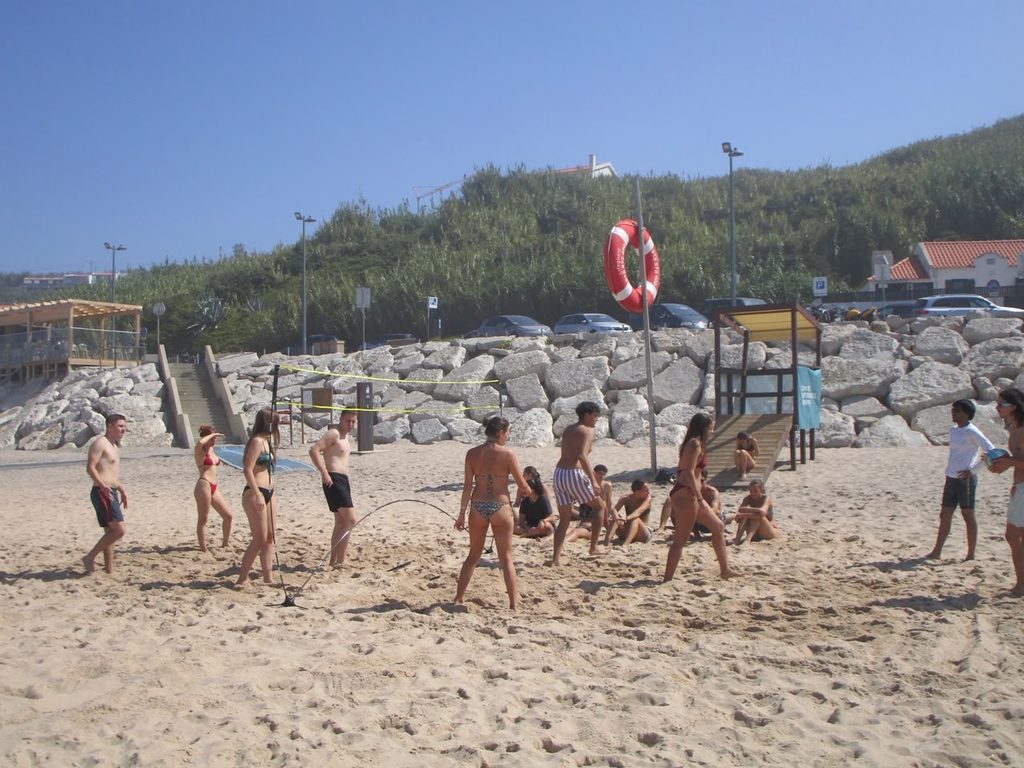
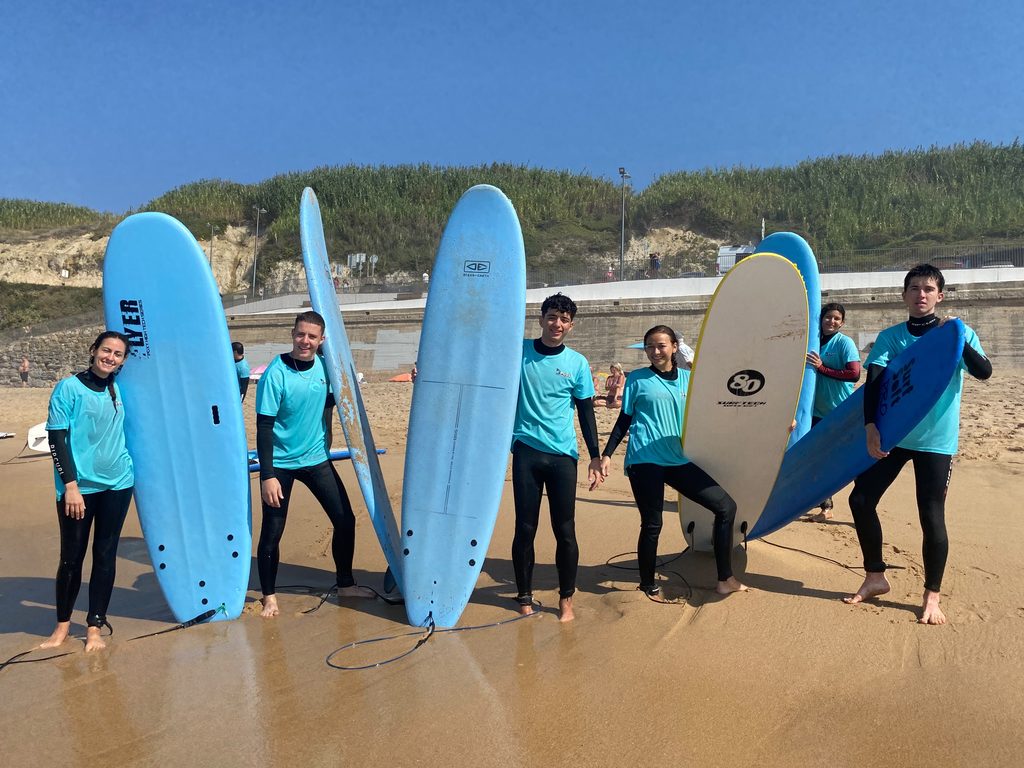
Participants took part in a beach volleyball tournament, tried a surfing class, and explored Sintra and its surroundings. These informal moments created space for friendships and intercultural exchange, while strengthening the group dynamic that made the more challenging discussions possible.
Throughout the project, energisers, games and informal activities helped maintain a balance between serious reflection and enjoyment. The combination of learning and shared experiences created an environment in which participants could discuss difficult subjects while feeling connected to one another.
Looking back and looking forward
As the exchange came to an end, participants took time to reflect on the whole experience. They revisited the expectations and fears they had written down at the beginning of the project and considered how these had changed throughout the week.
The final reflections also focused on what comes next. Participants discussed how they would share their experiences in their own countries, what actions they could take after returning home, and how the ideas developed during the exchange could continue beyond Sintra. The group also began looking ahead to the next part of the project in Germany.
Feedback activities gave everyone the opportunity to express how they experienced the programme, while a final appreciation activity created space to recognise the people and moments that had made the exchange meaningful.
The project ended with a symbolic activity in which participants drew flowers representing their hopes for the future, a fitting image for an exchange centred on the question of how we can learn from the past while shaping the future.

Building the resistance
“Build the Resistance – How We Fought in the Past” connected history with the present and transformed learning into participation. The project reminded us that resistance can take many forms: learning, questioning, remembering, communicating, creating, participating and standing together.
And sometimes, the first step is simply to read the message, see the power, and build a response.
Building the Resistance – how we fought in the past is an Erasmus+ project (2026-1-DE04-KA152-YOU-000396039) in partnership with Germany (Culture Goes Europe e.V), Serbia (Volonterski Centar Vojvodine), Portugal, (Dinamo), Spain (Euroactive Spain), Italy (Respirare Sinapsi), Greece (Koinoniki Synetairistiki Epichirisi Syllogikis Kai Koinonikis Ofeleias Eyforia) co-funded by the European Union