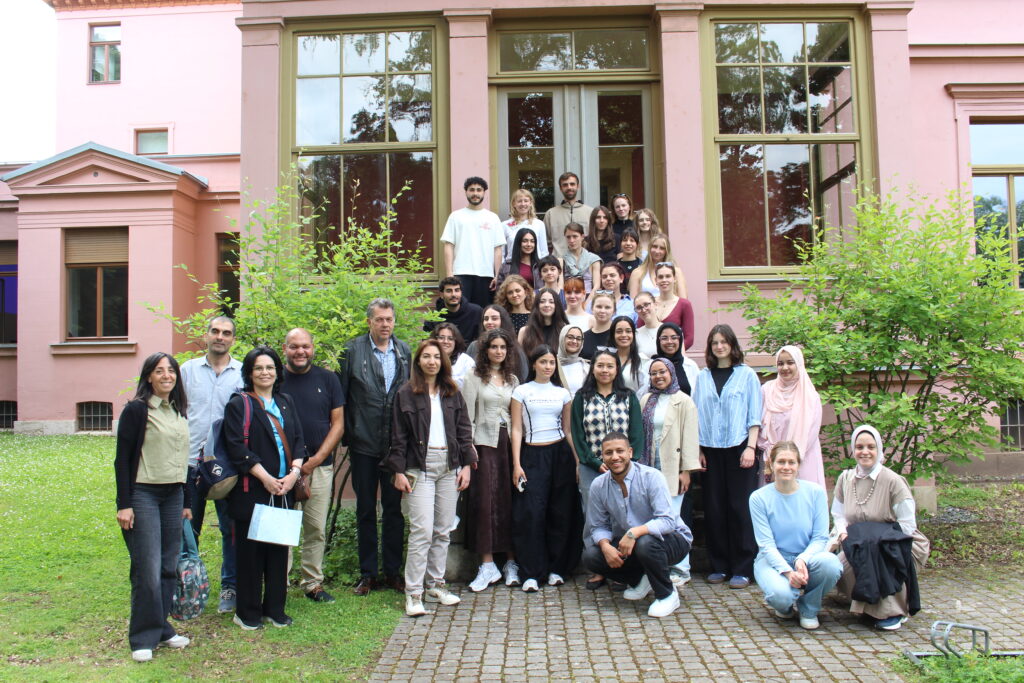
From 5 to 7 June 2026, CGE joined the workshop “Placemaking for Inclusive Cities: Safety, Identity and Belonging in Public Spaces” at Bauhaus University Weimar, within the European Placemaking Academy project.
The workshop, led by Dr. Ammalia Podlaszewska, focused on one clear question.
How can public spaces become safer, more inclusive, and more meaningful for the people who use them?
The participants were students from Bauhaus University Weimar, the University of Alexandria in Egypt, and Notre Dame University in Lebanon.
Public spaces are not only streets, squares, parks, or benches. They are places where people meet, wait, rest, move, talk, and build a sense of belonging.
A space becomes a place when people give it meaning.
This idea was at the center of the workshop.
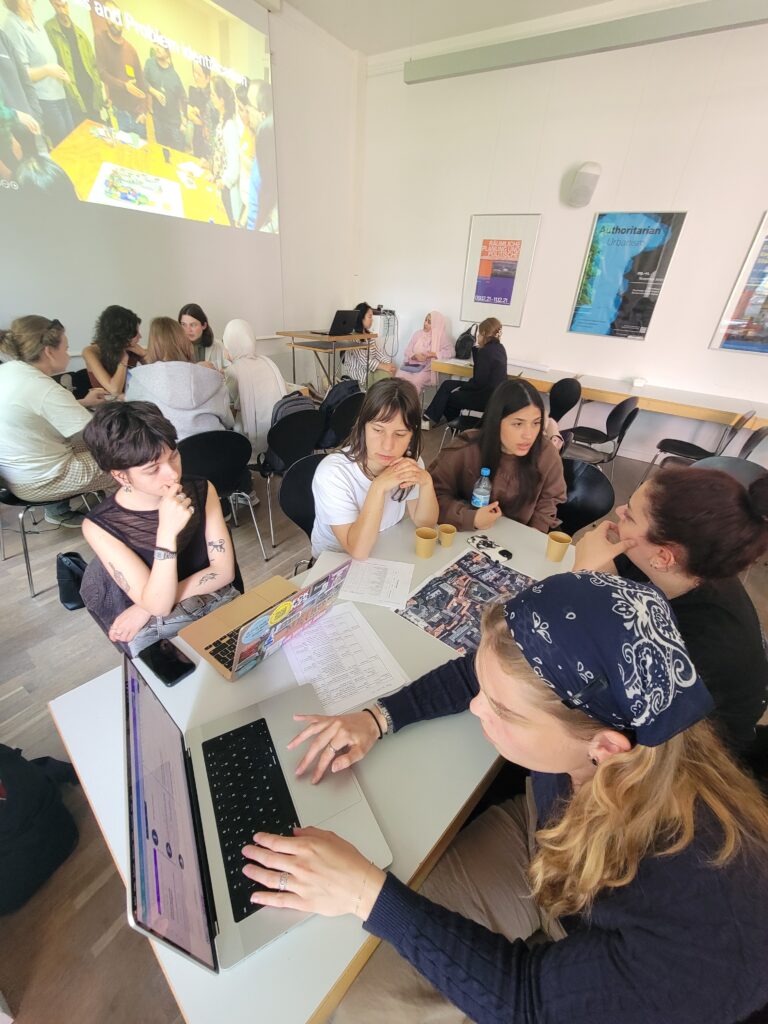
Through lectures, mapping exercises, fieldwork, interviews, and group reflection, participants explored how identity, safety, and inclusion shape the way people experience the city.
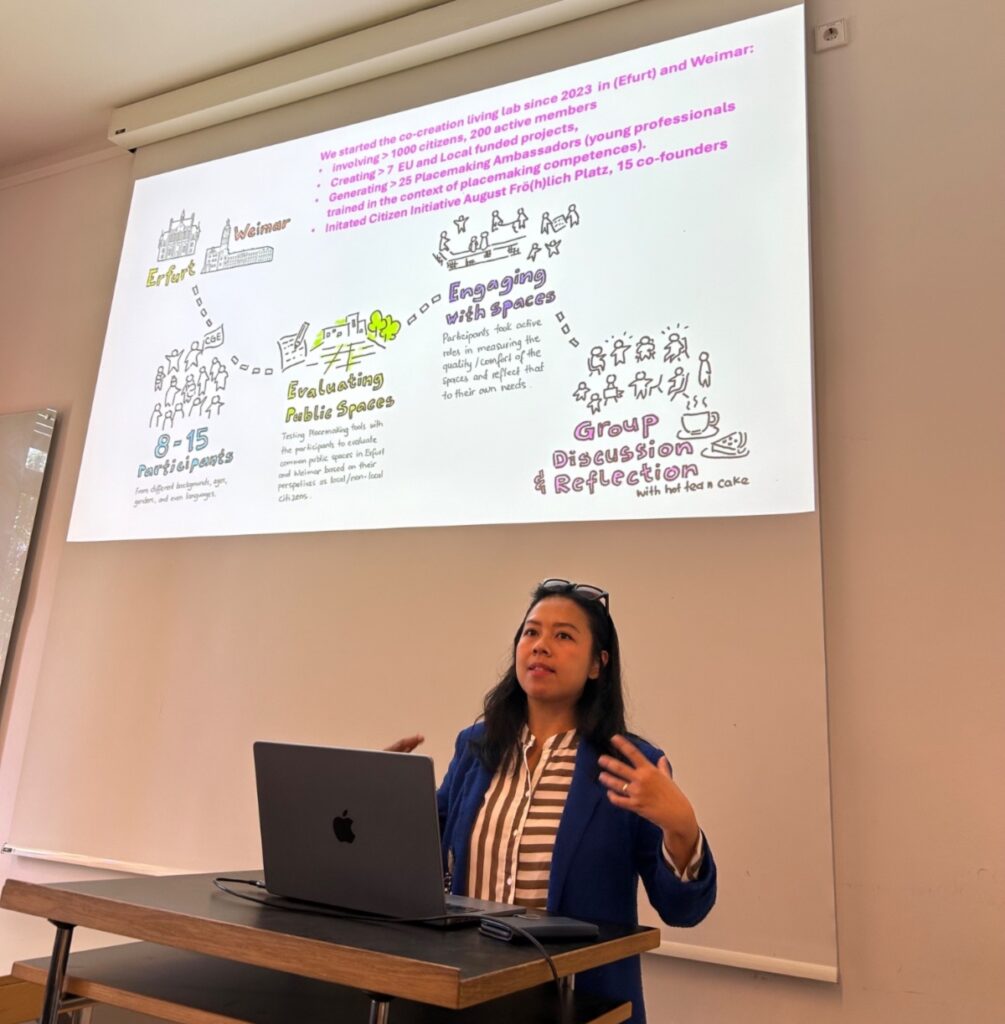
The workshop introduced placemaking as a community-driven process. It is not only about design. It is about participation, co-creation, and long-term care.
Good public spaces do not start with a finished plan.
They start with listening.
Who uses the space?
Who feels safe there?
Who feels excluded?
Who avoids the space?
What makes people stay?
What makes people leave?
These questions helped participants look at public spaces from different perspectives. Safety can mean different things depending on age, gender, culture, mobility, background, and personal experience.
One important part of the workshop was the Intercultural Urban Experience Mapping. Participants shared examples from their own cities and marked places they perceived as safe, unsafe, inclusive, or exclusive.
This activity showed that public space is never neutral.
It carries memories, emotions, habits, and social rules.
During the fieldwork in Weimar, participants explored public spaces and used practical placemaking tools. They observed how people moved through the space, who stayed, who passed by, and what features supported or limited inclusion.
They looked at accessibility, comfort, activity, diversity of users, sense of belonging, and perceived safety.
The workshop also addressed the limits of placemaking.
A public space can look attractive but still fail to serve people. Nice design alone is not enough. Without real participation, long-term care, and shared responsibility, placemaking can become temporary or superficial.
For CGE, this is a key point.
Inclusive cities need more than good-looking spaces.
They need people to take part in shaping them.
Co-creation means that communities are not only consulted. They are involved in understanding problems, creating ideas, testing solutions, and caring for the space over time.
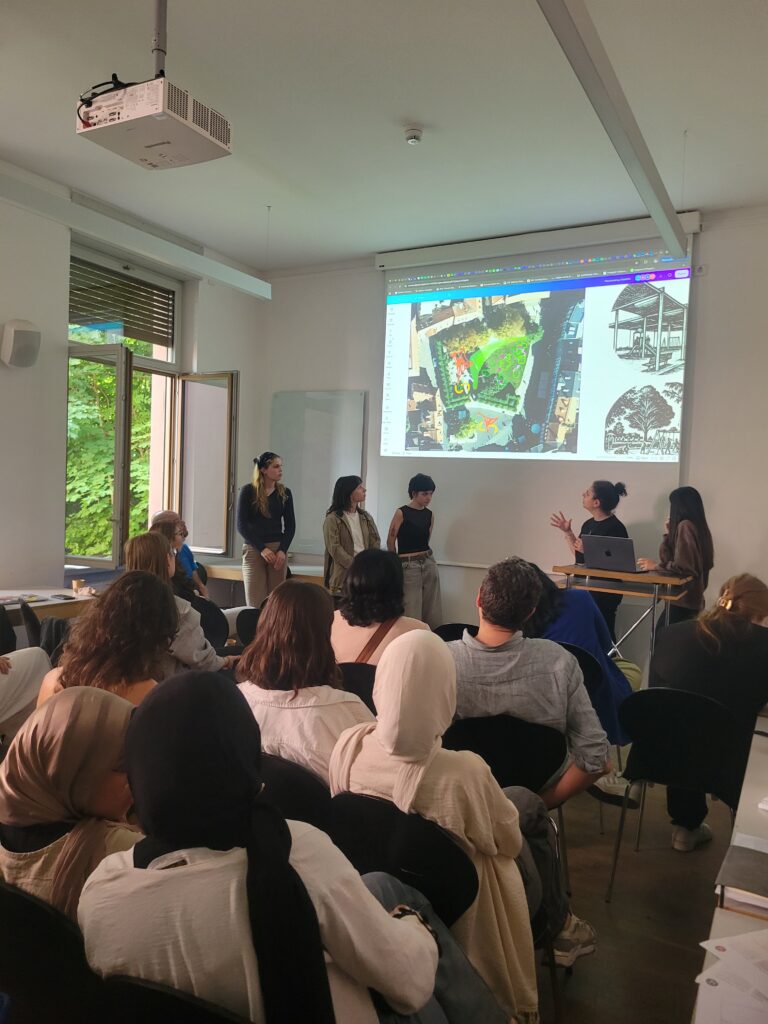
At the end of the workshop, groups developed ideas for improving public spaces. These included better lighting, inclusive seating, community activities, participatory installations, and small design changes that respond to real needs.
Small changes can have strong impact when they come from real observation and community experience.
A bench can support older people.
Lighting can change how safe someone feels.
A shared activity can bring people together.
A public space can become more welcoming when people feel that their needs are seen.
This workshop showed that placemaking is not only an urban method.
It is a democratic practice.
It connects people, space, identity, and local action.
For CGE, placemaking is a way to support more inclusive cities where people do not only pass through public spaces.
They feel that they belong.