
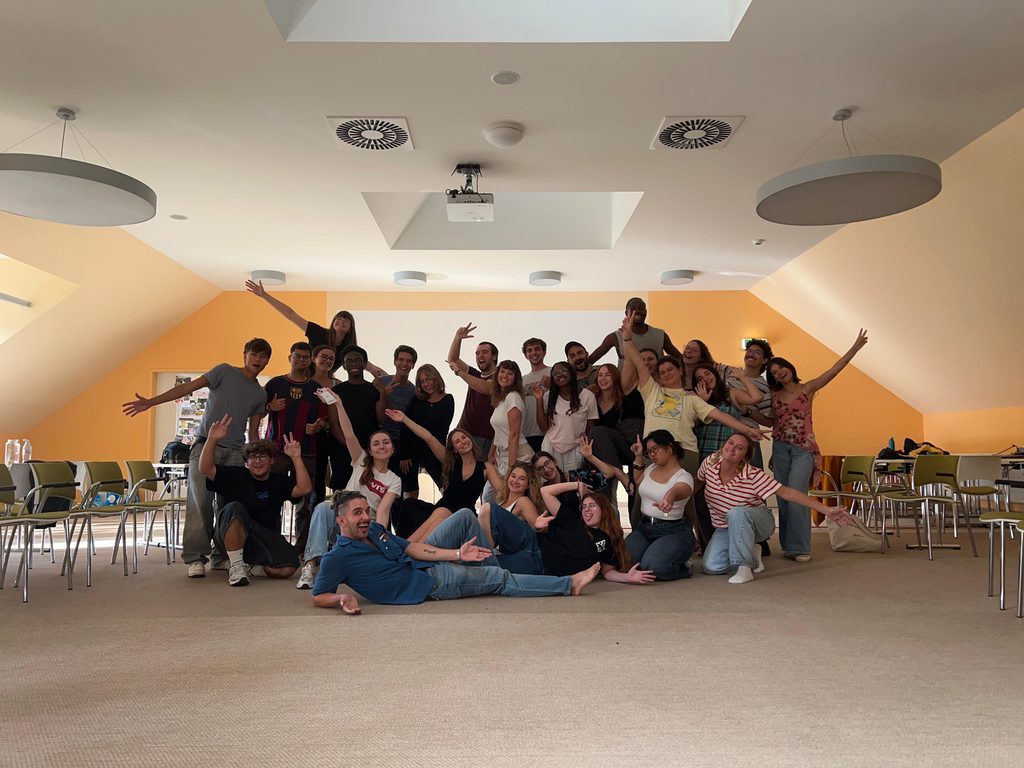
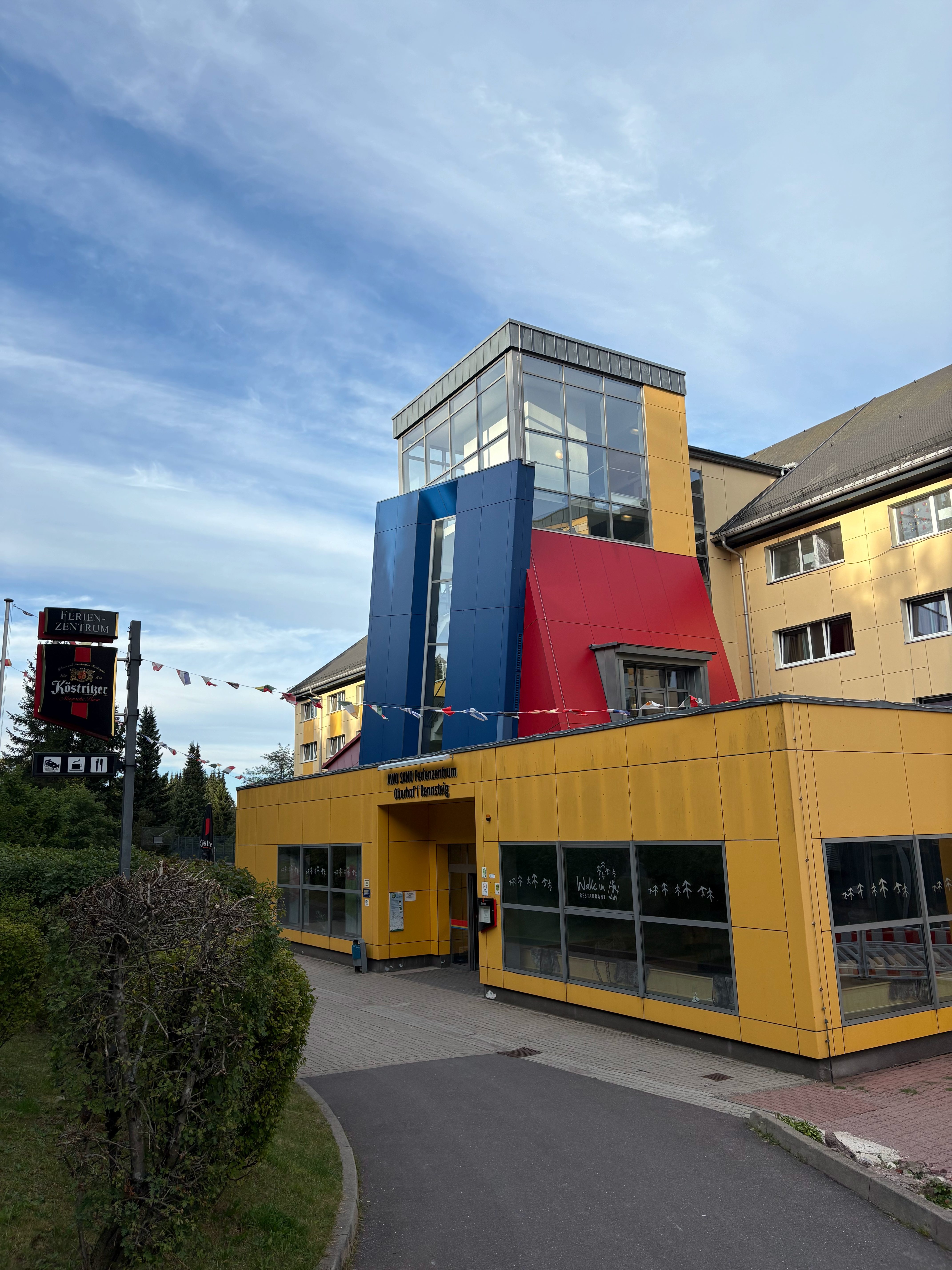
An Erasmus+ Youth Exchange in Oberhof, Germany from the 24th until the 31st of August 2026.
About the Project
Stories in Motion is a youth exchange program co-funded by Erasmus+ and organized in collaboration with Germany (Cultures Goes Europe, e.V.), Spain (Sterna), Poland (Logos), Portugal (Youth Coop), and Greece (Amazing Youth). Our goal? To empower young people from diverse backgrounds to explore videography as a tool for active citizenship.
For seven days, participants from across Europe gathered in Oberhof, Germany, to learn, create, and connect through the art of storytelling. From improv theatre to professional filmmaking, from cultural nights to city explorations, every moment was a step toward collaboration, creativity, and self-expression.
The Journey: A Week of Discovery
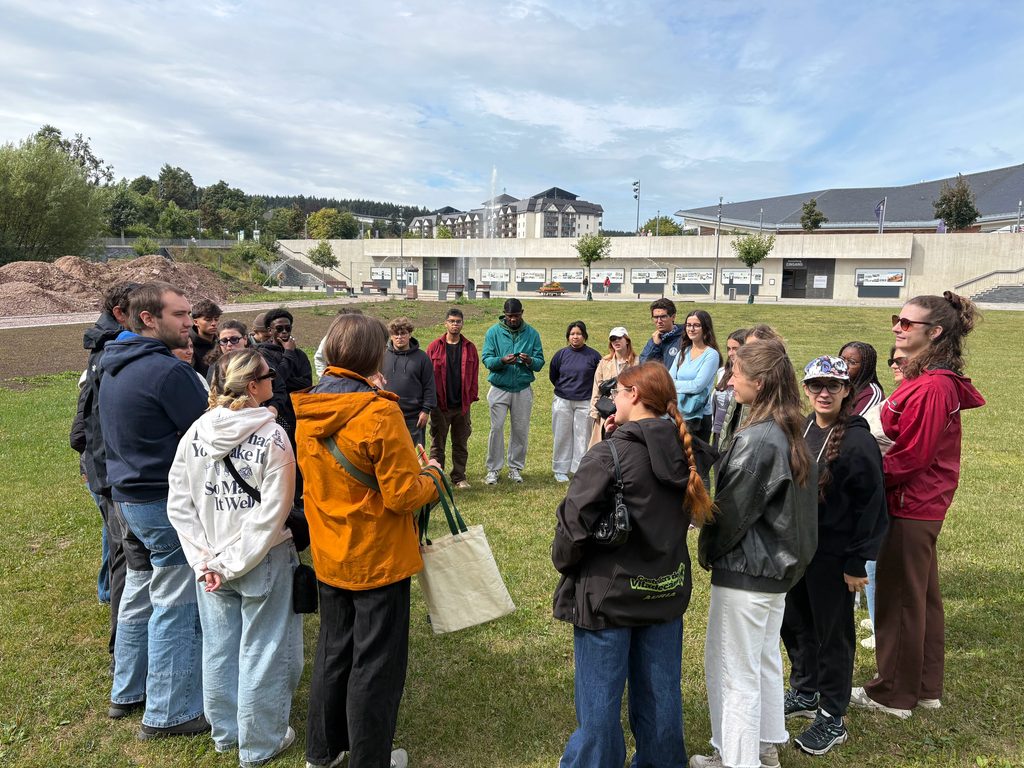
Our adventure began with icebreakers, venue tours, and a dive into Oberhof’s charm. We sparked creativity with improv theatre, embodying superheroes, TV characters, and even conspiracy theorists! The Goose Chase challenge followed, 11 team missions filled with laughter, chaos, and teamwork.
We explored “Diversity Within the Frame”, mapping films by their origins to understand representation and perspective. Then, we rewrote narratives through collages and creative writing, challenging stereotypes and amplifying underrepresented voices.
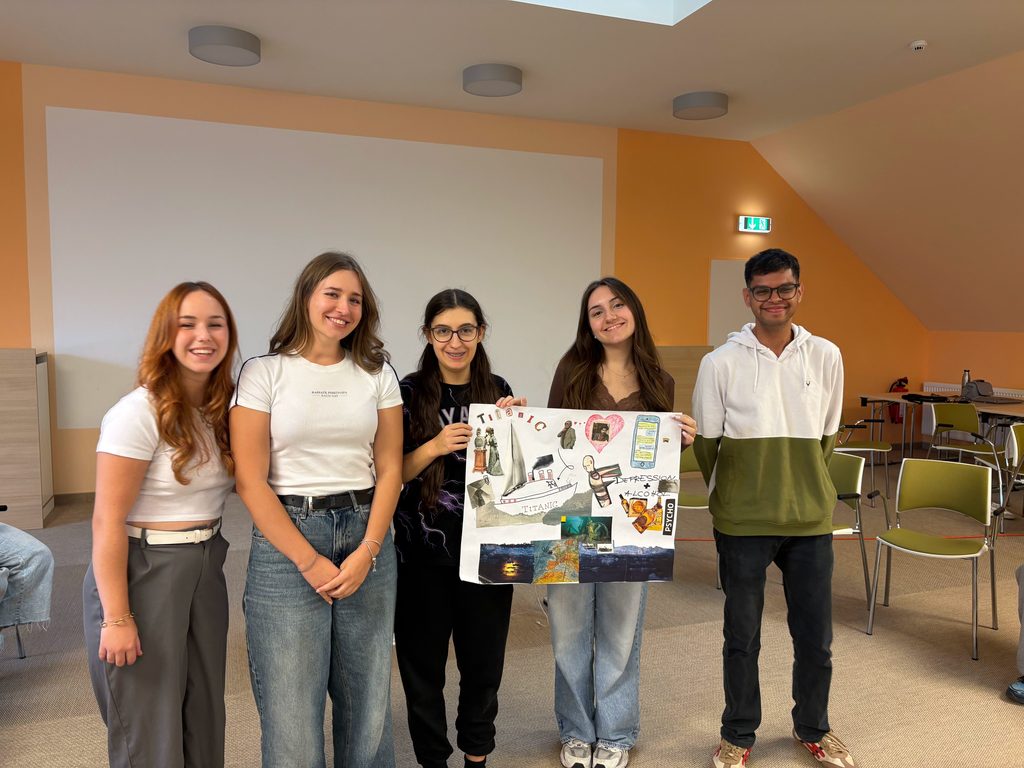
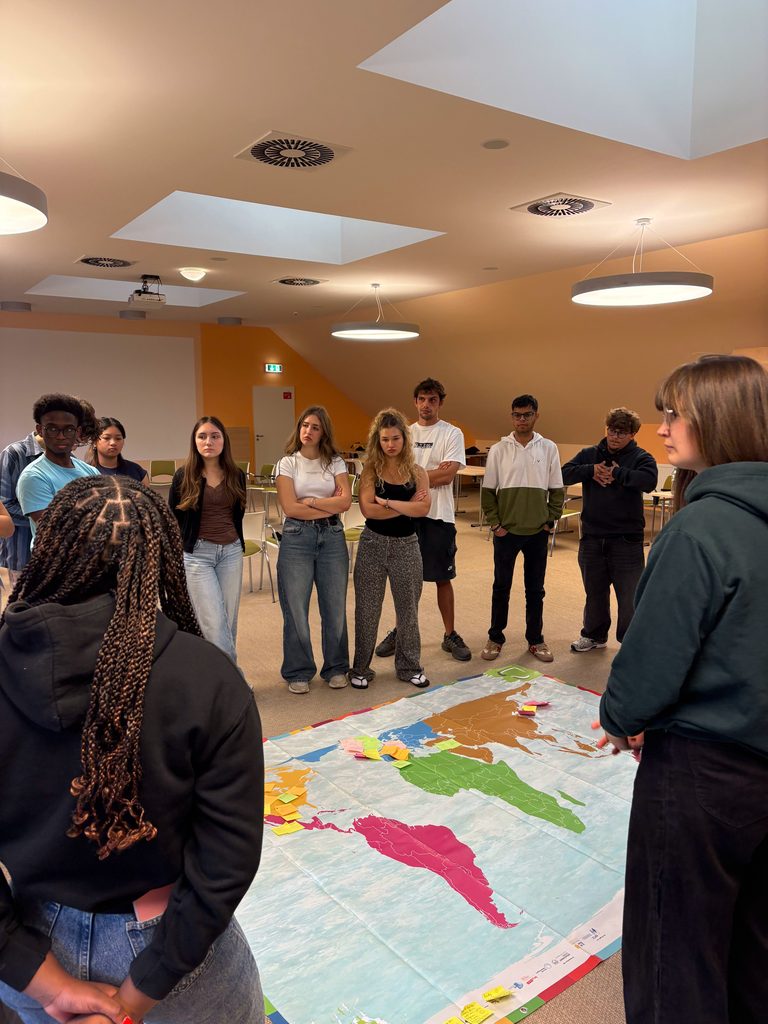
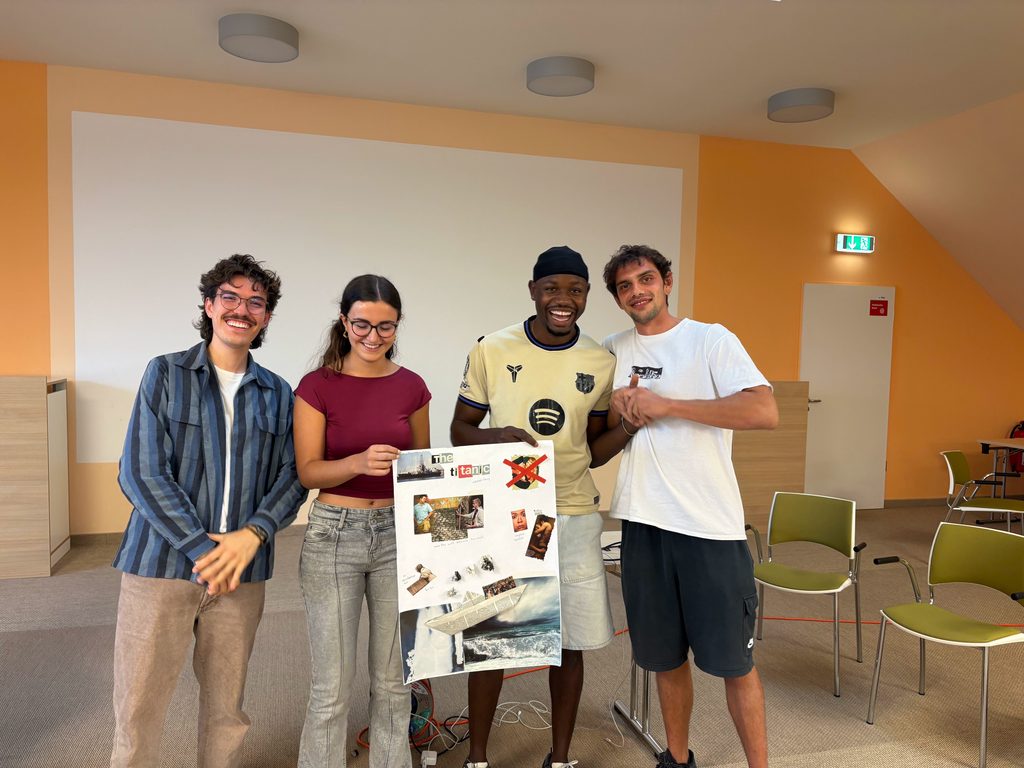
A special guest, Kyra Funk, journalist and filmmaker, shared the keys to documentary filmmaking, unlocking our vision and setting our ideas free. The evening brought Cultural Night, a celebration of music, dance, and traditions from all five countries.
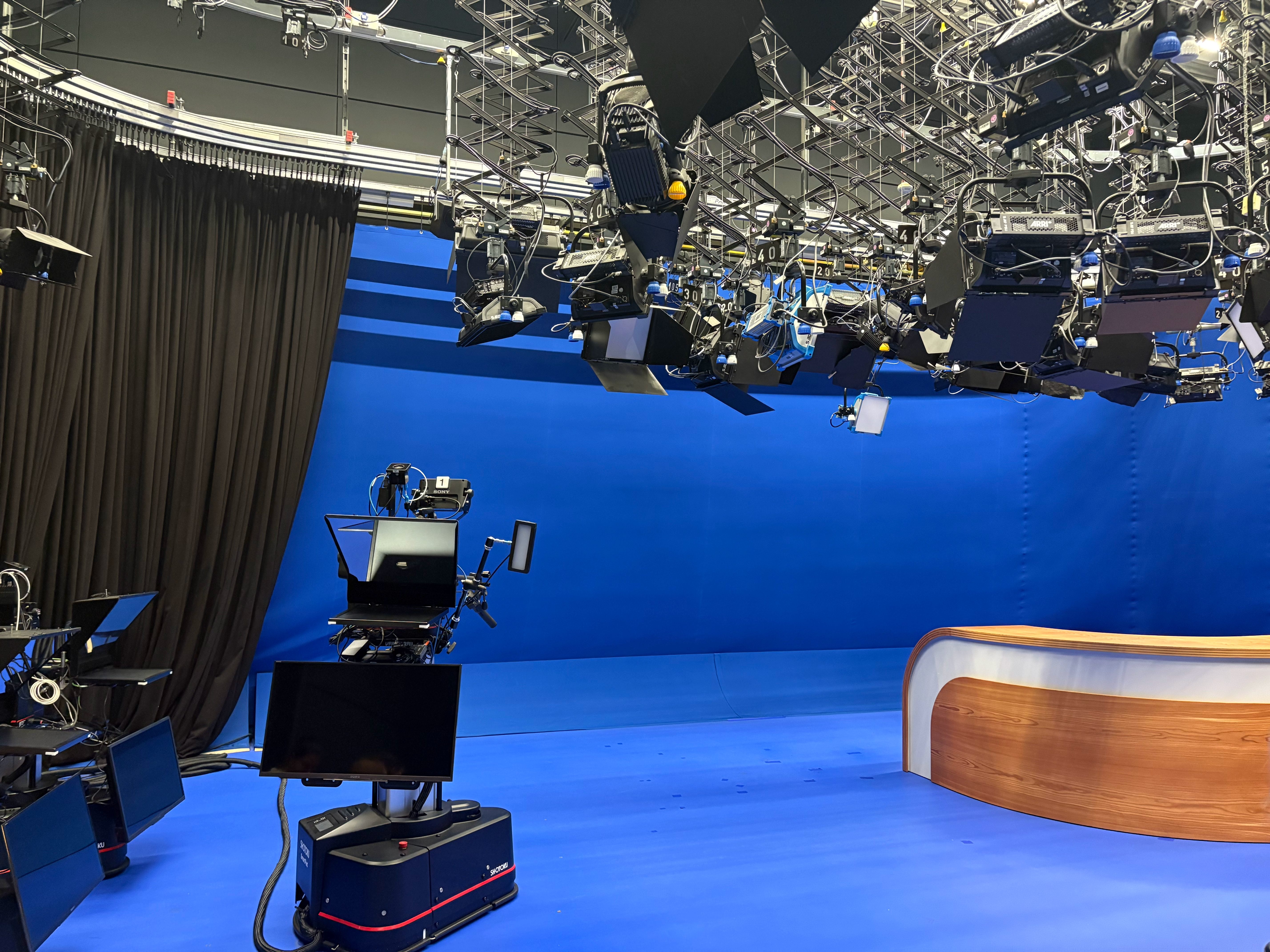
We took a field trip to Erfurt, gathering inspiration for our films and visiting MDR (Mitteldeutscher Rundfunk), where we saw behind-the-scenes media production. From TV to radio, we learned how stories come to life through sound, images, and technology.
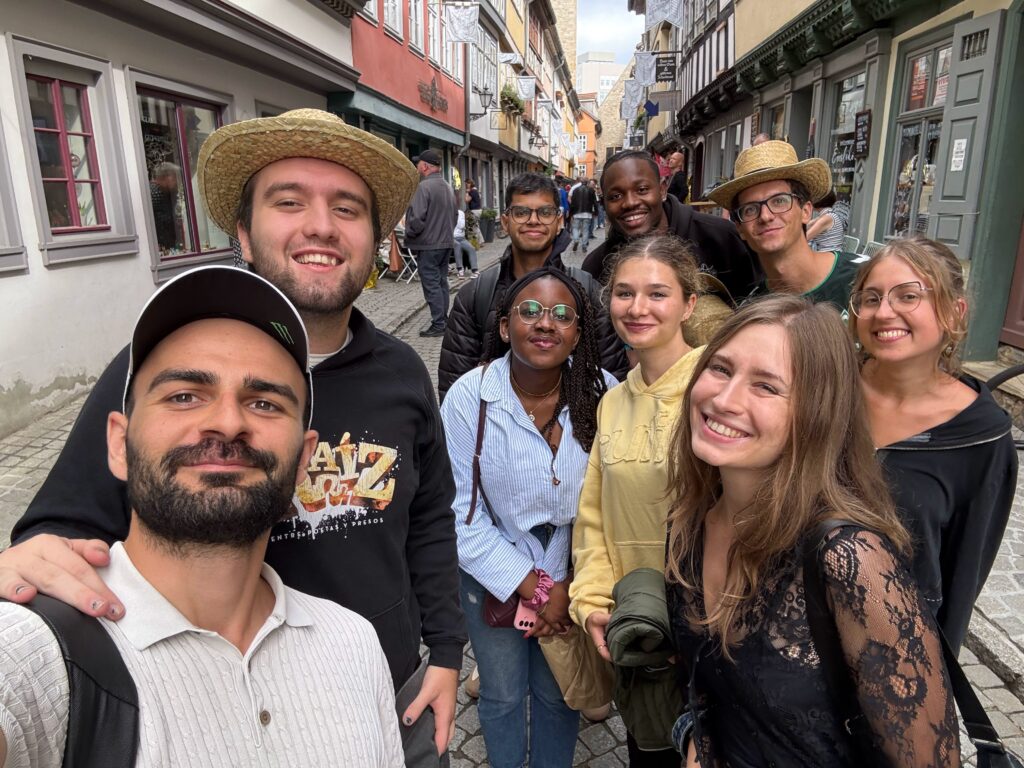
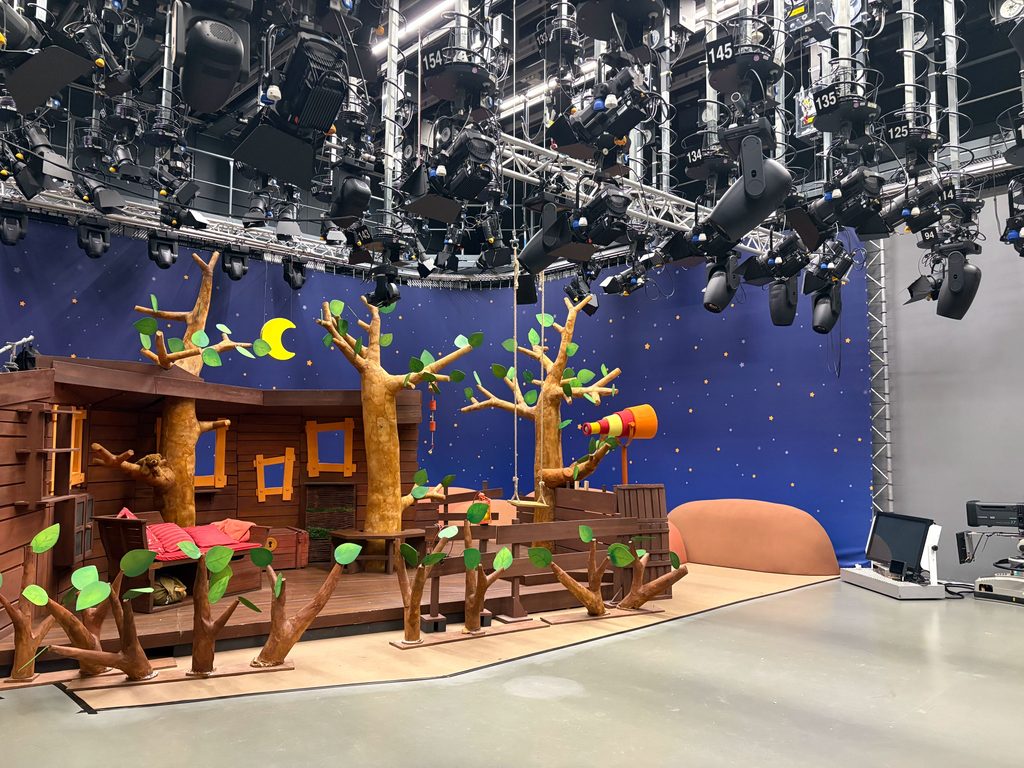
Back in Oberhof, we filmed scenes, experimented with angles, and captured footage for our projects. With 72 hours total to write, film, and edit our movies! Teams spread out, taking on roles as directors, actors, and camera operators.
We dove into the world of sound in film, learning how soundtracks, effects, and audio choices can transform a scene. The final countdown was a whirlwind of editing, cutting, refining, and perfecting our films. Facilitators were on hand to offer feedback and guidance.
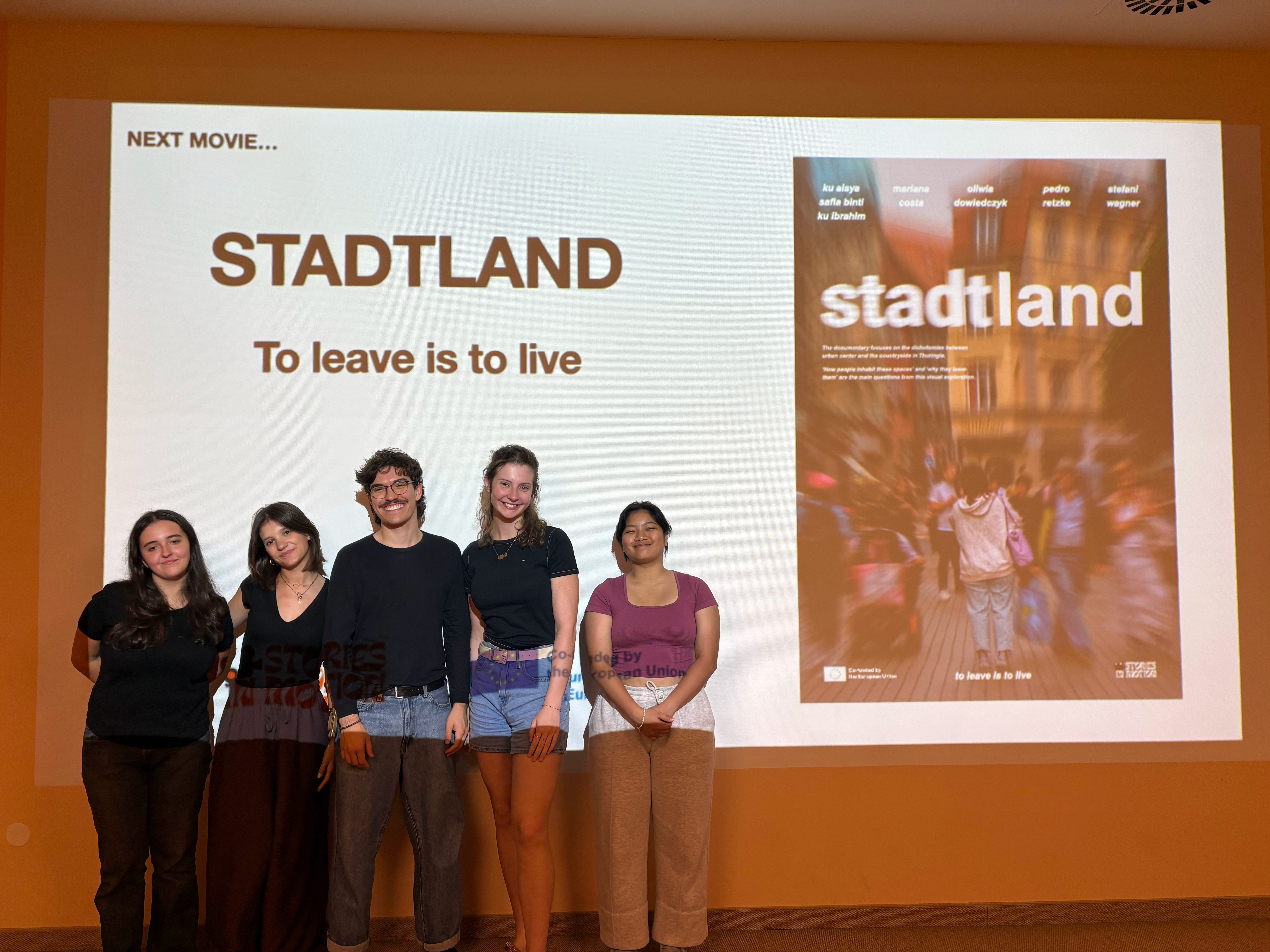
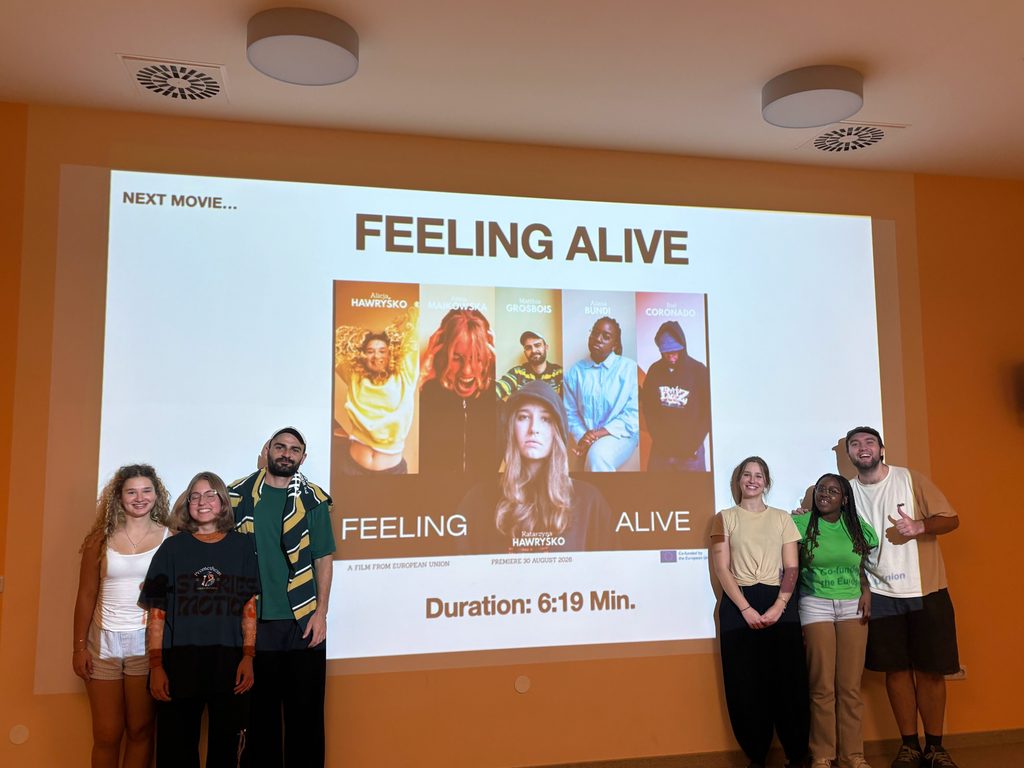
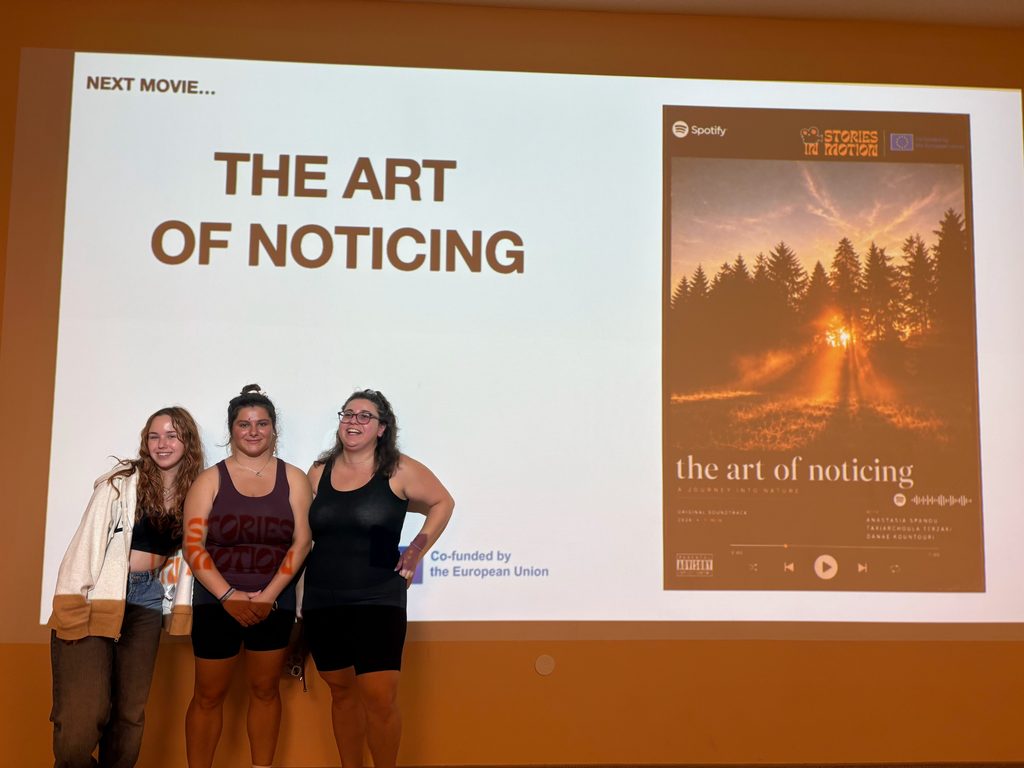
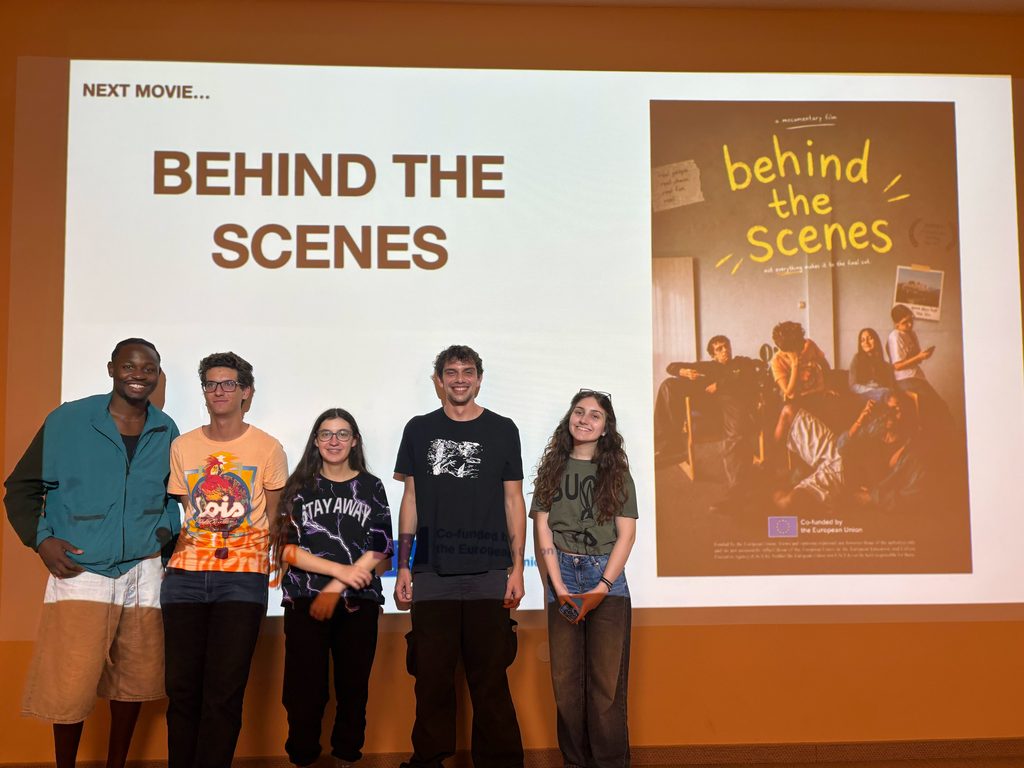
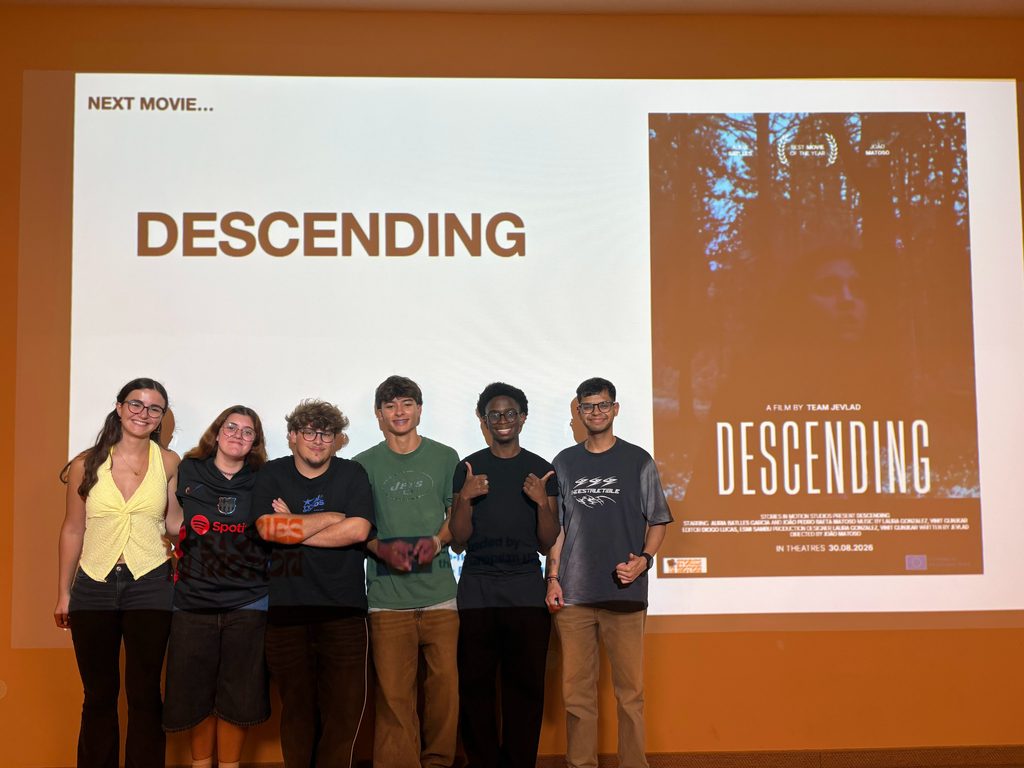
This project ended with the projection of our movies, a great opportunity to celebrate the hard work put into this project and to enjoy a night together. The next steps will be to project our movies into our countries as a multiplier of our youth exchange to reach even more people.
Descending : In this film we see the story of Maya, a young woman who hears a scream in the woods and goes to check just in case someone needs help, but once she’s there strange things begin to happen, the night falls and all she can do is follow the sounds until someone or something starts following her and then she suddenly appears in a room, but, which room?
Feeling Alive is a short film that follows the journey of a young girl who feels disconnected from the world around her. In search of meaning and a new perspective, she went outside, pushed by her sister, where she met several people from friends to strangers each embodying a distinct human emotion: happiness, anger, empathy, sadness, and fear. Through these encounters, she begins to rediscover the vibrancy of life and the depth of her own emotions.
Behind the Scenes : After being rejected from an EU youth film project, five young people are given one consolation job: filming the behind-the-scenes of the project and documenting the young filmmakers who were accepted. As they follow the production, their own lives quickly become the real story. Between chaos, failed attempts to stay professional, personal drama and completely unnecessary distractions, the five turn the camera on themselves creating a mockumentary about what happens when you’re not the ones making the movie. Because sometimes, the best story is the one happening behind the scenes.
The Art of Noticing is a short film about learning to slow down and pay attention to the small moments that often pass us by. We decided to focus on the idea that it is not always the big, extraordinary experiences that make life meaningful, but the simple things: sunlight through the trees, the sound of water, leaves moving in the wind, or a quiet moment surrounded by nature. Beginning with the busyness of everyday life and gradually moving into the peaceful landscapes around Erfurt, the documentary invites the viewer to stop rushing and really look at what is around them. Through cinematic images, natural sounds, music and narration, we explore how noticing these small details can help us reconnect with ourselves, appreciate the present moment and rediscover the beauty of simply being alive. Ultimately, The Art of Noticing is about finding light in the ordinary and realizing that the little moments are often the ones that make us fall in love with life.
Stadtland is a 8-minute abstract documentary focused on the dichotomies between urban centres and the countryside. Driven by an observational methodology, it juxtaposes close-up images of everyday lives with spatial shots of both contrasting environments. It does not follow a formal narrative structure and does not use interviews; instead, it combines particles of people’s lives with their voices as a fragmented dialog over shifting landscapes. The documentary is grounded in tangible socio-demographic realities, such as rural aging and economic displacement. How people inhabit these spaces and why they ultimately leave them are the main questions from this visual exploration.The film offers no simple answers. Instead, it transforms into a philosophical search for belonging, reflecting on the spaces we abandon and what it takes to finally feel at home.
Funded by the European Union. Views and opinions expressed are however those of the author(s) only and do not necessarily reflect those of the European Union or the European Education and Culture Executive Agency (EACEA). Neither the European Union nor EACEA can be held responsible for them.