
ENTER-PRENEURSHIP (Project No. 2025-1-SE01-KA210-ADU-000364139) brought together four organisations from four European countries to explore how entrepreneurship education can support inclusion, participation and local development. The project partnership included Goodness of People (Sweden) as coordinator, Culture Goes Europe – Soziokulturelle Initiative Erfurt e.V. (Germany), Kaunas University of Technology (Lithuania) and International Volda (Norway).
Across Europe, migrants, refugees, and other marginalised adults living in rural areas and shrinking cities often face a double challenge. Local labour markets can offer limited opportunities, while the support needed to create new forms of employment or self-employment is often concentrated in larger towns and cities.
Yet many people bring valuable skills, professional experience, ideas, and motivation to the communities where they live. The challenge is not a lack of potential. It is often a lack of access: access to networks, recognition of qualifications, language support, entrepreneurial knowledge, and opportunities to turn ideas into action.
ENTER-PRENEURSHIP was created to address exactly this gap. The project was built around a simple but powerful conviction: people who are often described primarily in terms of the barriers they face can also be some of the most valuable within their communities.
When entrepreneurship education is practical, accessible, inclusive, and rooted in local realities, it can do more than support employment. It can strengthen confidence, participation, social connections, and a sense of ownership over the future of a community.
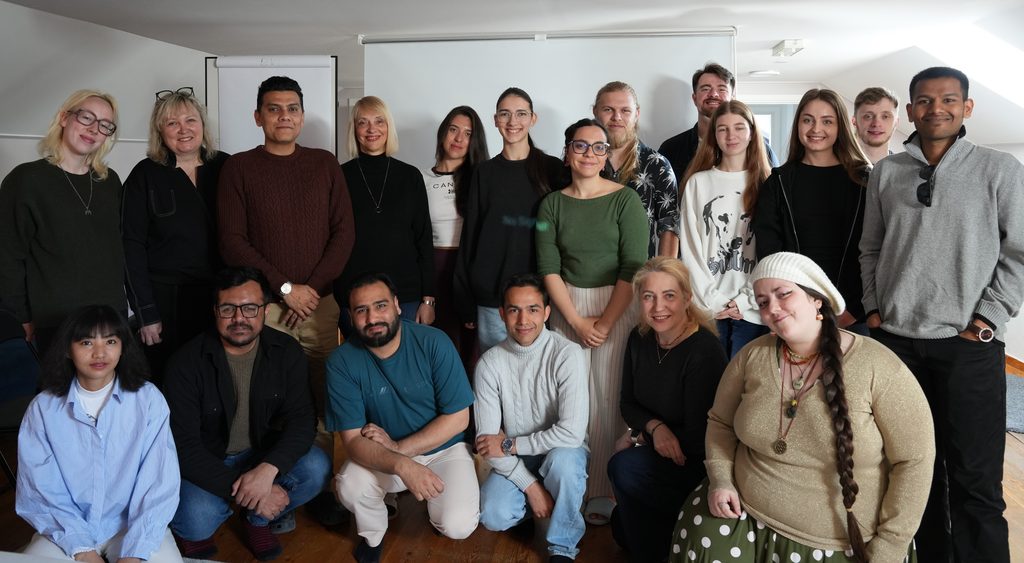
From exclusion to participation
4 organisations from 4 European countries came together to respond to this need:
Goodness of People, the project coordinator, works in Nybro and Orrefors in the Swedish region of Småland, focusing on social inclusion and the development of digital and entrepreneurial skills in smaller communities.
Culture Goes Europe (CGE) – Soziokulturelle Initiative Erfurt e.V., based in Erfurt, Germany, brought extensive experience in non-formal education, intercultural learning, and project development and quality assurance.
Kaunas University of Technology (KTU), through its Faculty of Economics and entrepreneurial hub, provided the academic and methodological foundation of the project. KTU supported the alignment of the learning programme with the European Entrepreneurship Competence Framework (EntreComp), contributed to the module structure, and developed the evaluation methodology.
International Volda, based in the small Norwegian town of Volda, brought direct experience of working with Ukrainian and Sudanese refugees and other international residents, supporting their participation and integration into local life.
Learning entrepreneurship and learning to shape communities
ENTER-PRENEURSHIP aimed to strengthen social entrepreneurship, inclusion, and participation among migrants, refugees, and other marginalized adults, particularly in rural and shrinking communities.
The project integrated EntreComp-based learning into adult education, giving participants opportunities to develop practical entrepreneurial, creative, and social innovation skills.
It was not simply about starting a business or becoming an entrepreneur. It was also about recognising opportunities, understanding local needs, developing ideas, working with others, taking initiative, and gaining the confidence to make things happen.
A newcomer who establishes a service that is missing from a town can contribute to the local economy. Someone who creates work for another resident can strengthen the community. A group that starts a community repair café can address an environmental challenge while creating new social connections. In each case, the impact goes beyond the individual idea.
Needs Mapping & Module Development
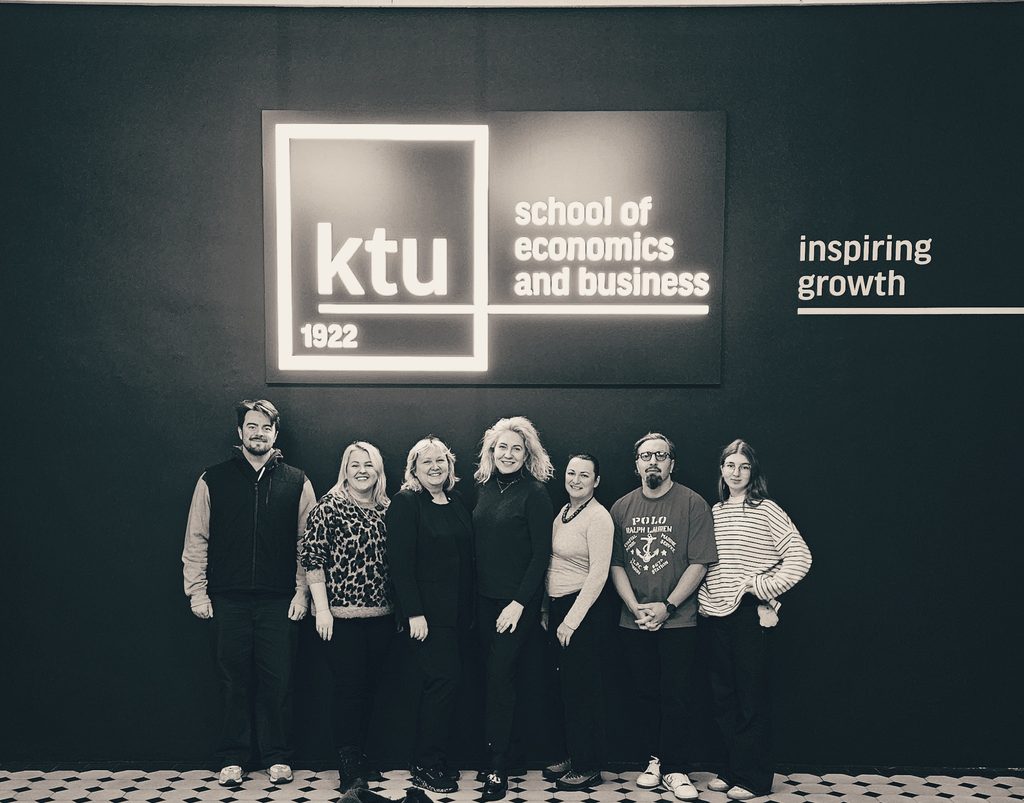
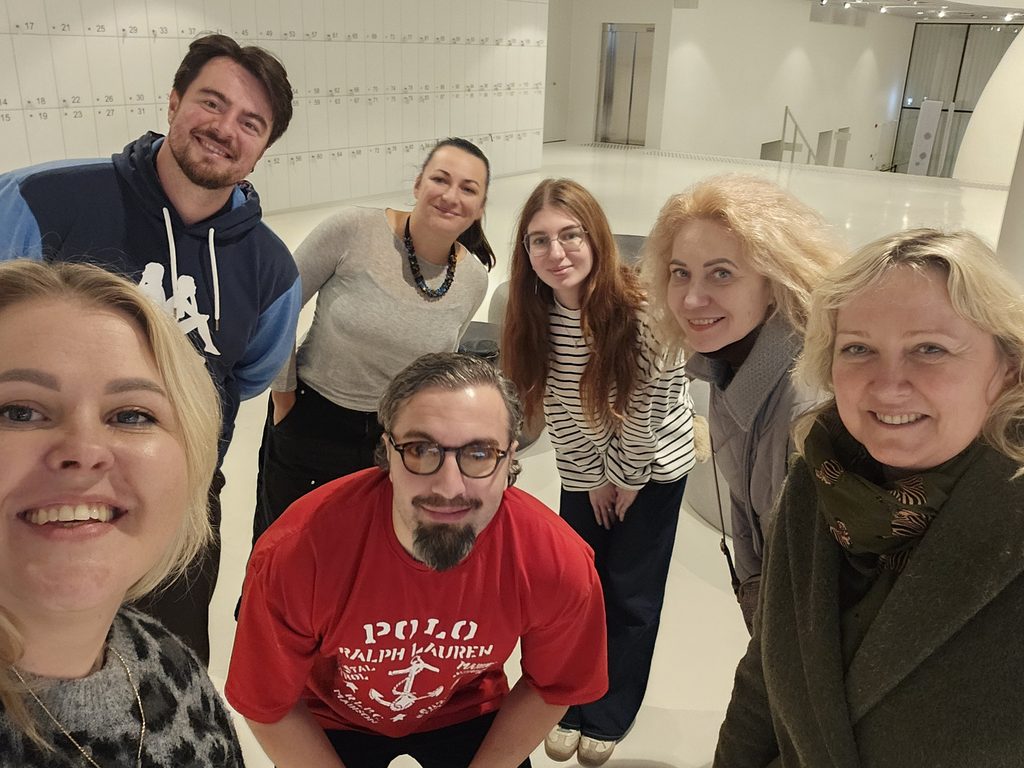
The first stage of the project focused on understanding needs and transforming them into practical learning opportunities. The partnership began with an online kick-off and a 3 days study visit to KTU’s entrepreneurial hub, in Lithuania. Partners shared experiences, explored approaches to entrepreneurship education, and worked together to co-design the learning modules. The result was a set of practical modules designed for piloting with the project’s target groups and adapted to the realities of adult education in different national contexts. The partners focused on learning that could be flexible, accessible, and connected to real-life challenges.
Putting learning into practice : Social Hackathons & Training Course
The second phase brought the learning out of the classroom and into the community. 4 national Social Hackathons were organised, giving participants the opportunity to apply their newly developed skills to real local challenges. Working together with SMEs, job centres, community organisations, and other local stakeholders, participants explored problems, generated ideas, developed solutions, and tested their entrepreneurial thinking.
The hackathons demonstrated the value of bringing different perspectives together. Participants became contributors with knowledge, experiences, and ideas of their own.

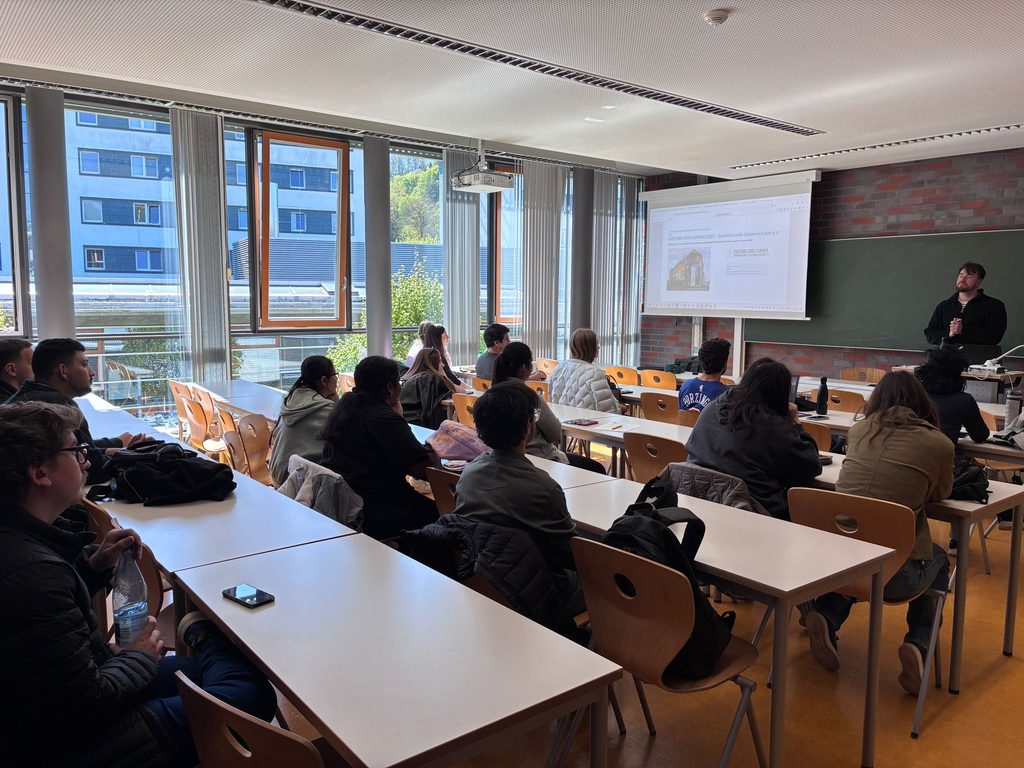
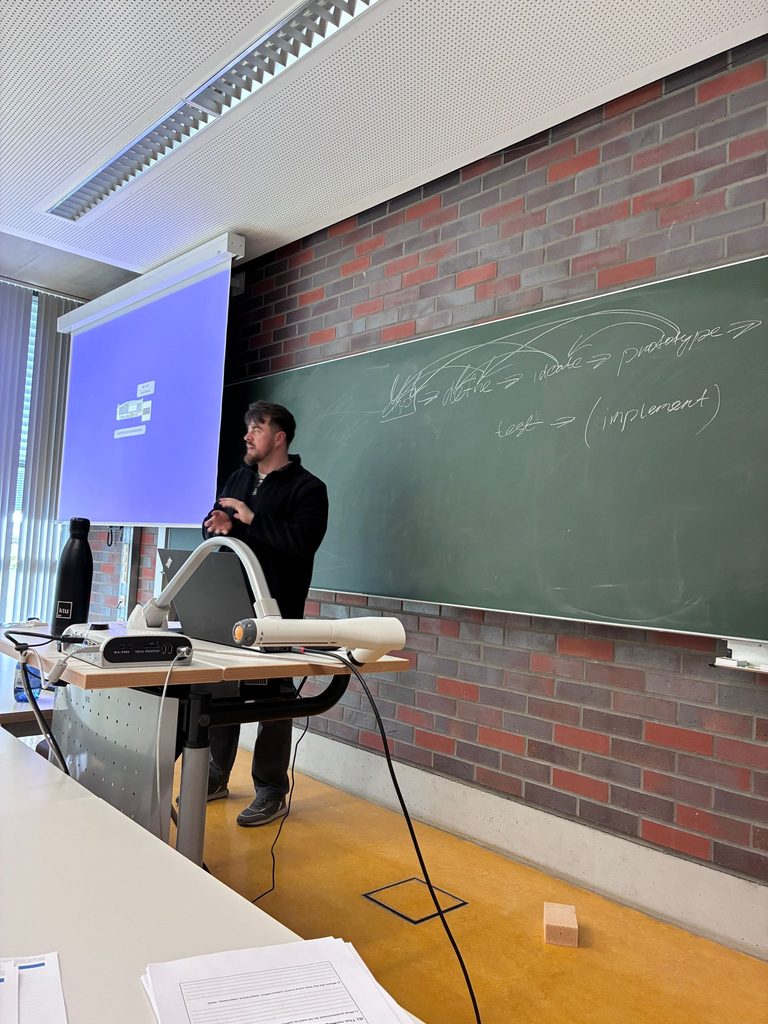
The partners also came together for a 5 days training and working group in Orrefors, Sweden, where the modules were piloted, refined, and discussed. Beyond testing the materials, the meeting helped establish a community of practice among the organisations involved. This exchange was an important part of the project: learning happened also between organisations and across countries.
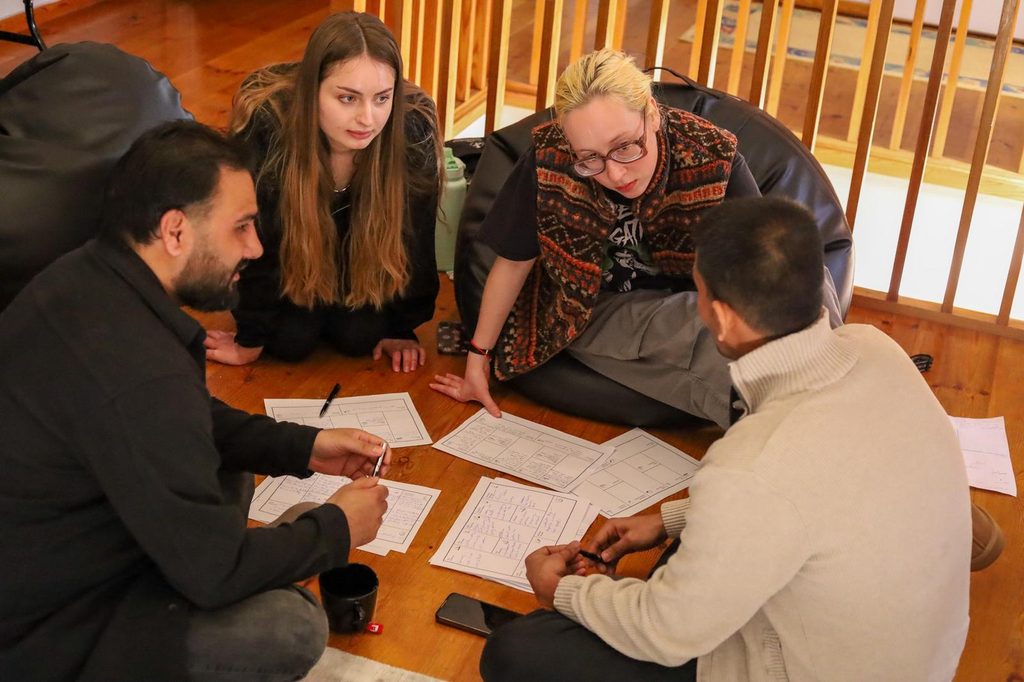
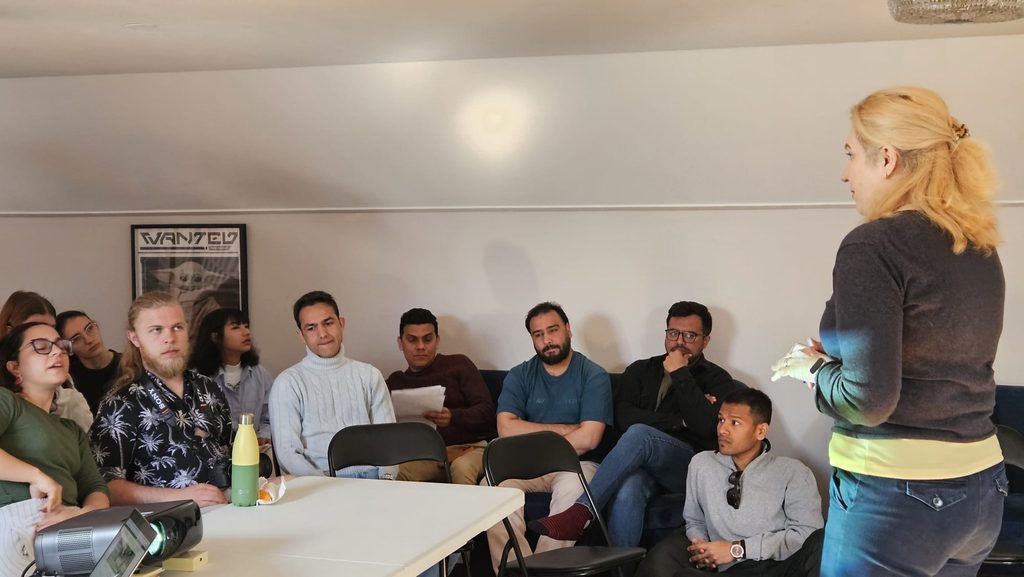
Sharing what we learned : Casebook & Multiplication
The final stage of ENTER-PRENEURSHIP focused on making sure that the knowledge and tools developed during the project could continue to be used beyond its formal lifetime.
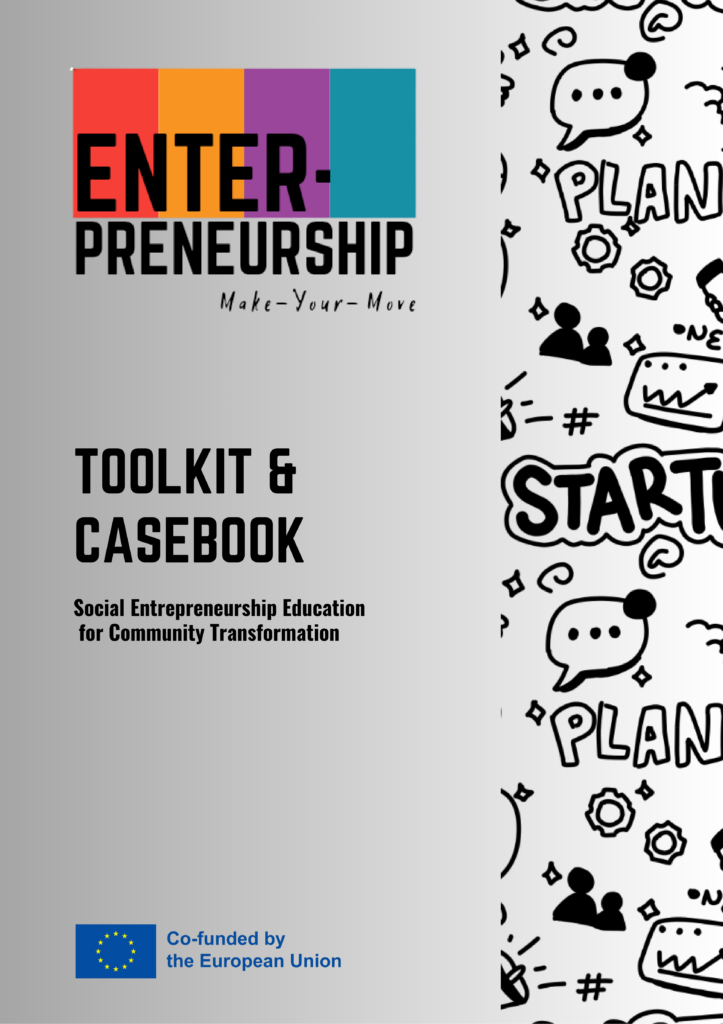
The partnership published a casebook and toolkit bringing together the project’s experiences, approaches, and practical resources. We implemented 4 national multiplier events that created opportunities to share the results with a wider audience and to discuss how the methods developed through ENTER-PRENEURSHIP could be integrated into adult education and community-based work.
Partners are working to embed the approaches and materials into their own routines, ensuring that the project’s legacy continues through future learning activities and support for local communities.
What have we learned?
One of the most important lessons from ENTER-PRENEURSHIP is that entrepreneurship education does not have to begin with the question: “How do we help people start businesses?” It can begin with a different question: “What could this person contribute to their community if they had the opportunity?”
People arriving in rural communities may initially be seen primarily through the lens of their needs : language support, employment, housing, integration, or administrative assistance. ENTER-PRENEURSHIP has helped us look at the other side of the picture: their skills, professional experiences, creativity, ambitions, cultural knowledge, and ability to identify solutions to problems that others may overlook. This perspective can transform the relationship between newcomers and their communities.
A project that goes beyond the project : ENTER-PRENEURSHIP was developed across Sweden, Germany, Norway, and Lithuania, but its ambition has always been local. The project has shown that meaningful opportunities do not necessarily have to depend on moving to a large city. With the right support, rural and shrinking communities can become places where people develop ideas, create connections, start initiatives, and contribute to local life.
For adult educators, this means creating learning environments that are more flexible, inclusive, and connected to real-world opportunities. For communities, it means recognising newcomers and marginalised adults not only as people who need support, but also as people who can create value, solve problems, build relationships, and shape the places they live. Finally, for participants, it means something perhaps even more fundamental: the possibility to see their own experiences and ideas as resources rather than obstacles.
Looking ahead
The end of the ENTER-PRENEURSHIP project is not the end of the work. The modules, casebook, toolkit, partnerships, and experiences developed throughout the project provide a foundation for continued action. The organisations involved will continue to explore how entrepreneurship, social innovation, and inclusive adult education can contribute to stronger and more connected rural communities.
Because when people are given the opportunity to turn ideas into action, the benefits can reach far beyond the individual.
One idea can become a service.
One service can become a livelihood.
One initiative can create new connections.
One person who feels empowered to participate can help change how an entire community sees its future.