What makes a place truly inclusive? Who has the power to shape our cities? And how can communities become active co-creators of the spaces they inhabit?
These questions were the core of the European Placemaking Academy (EPA) Training Course, held in Weimar, Germany, from 19 to 25th October 2026.
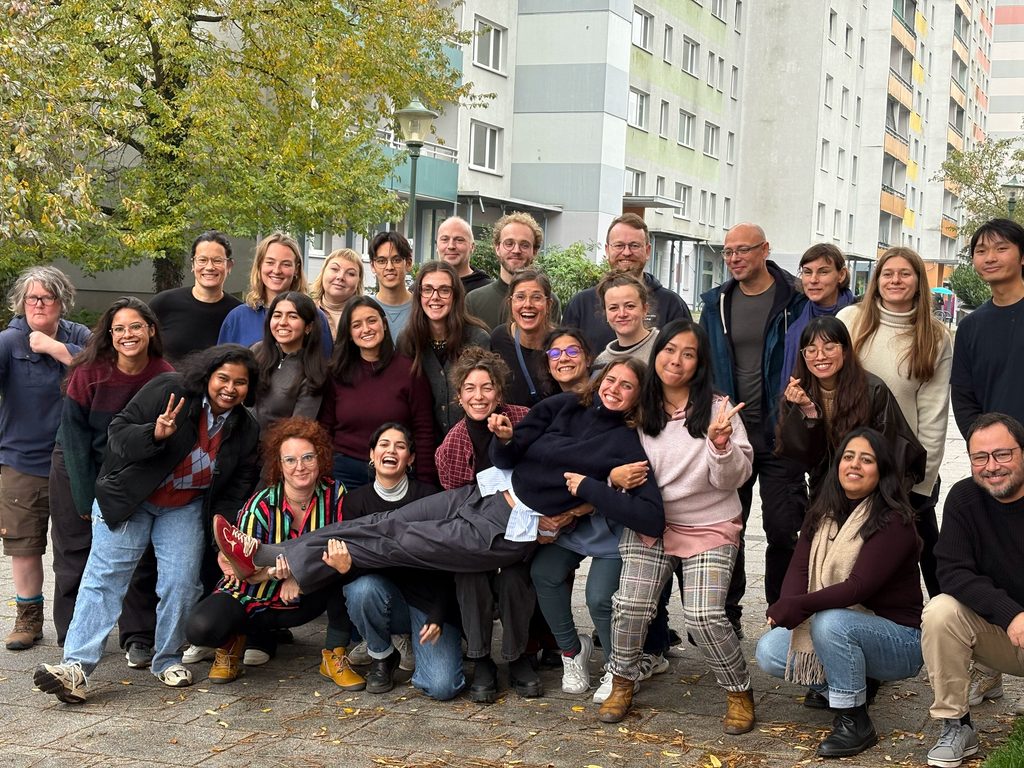
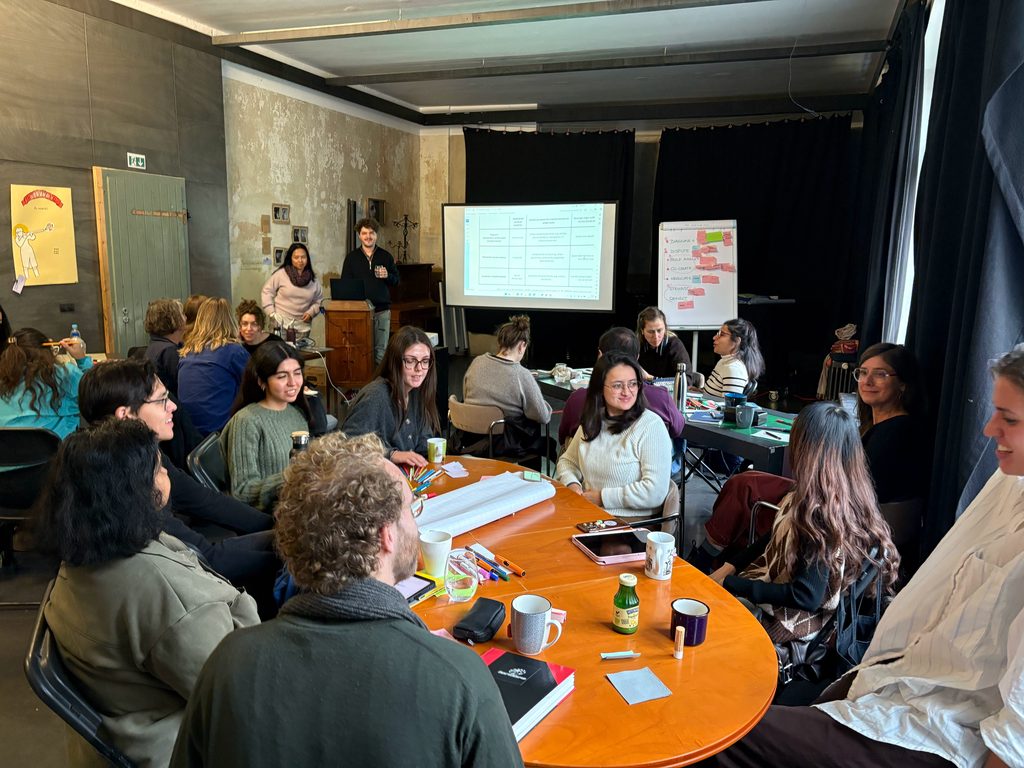
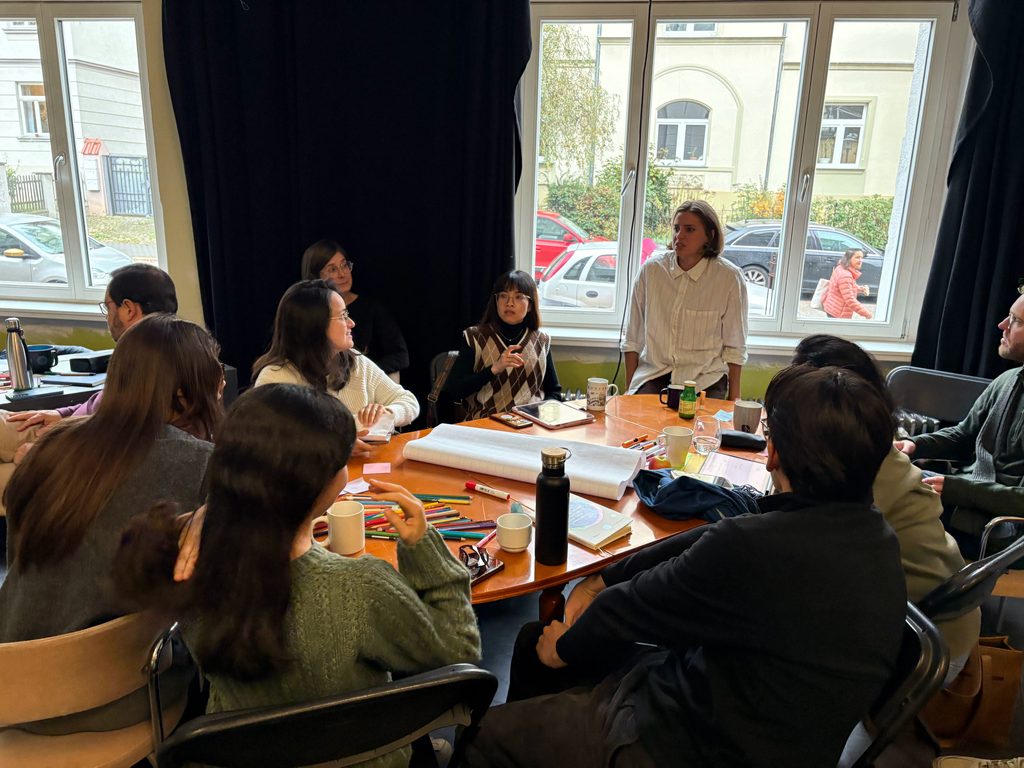
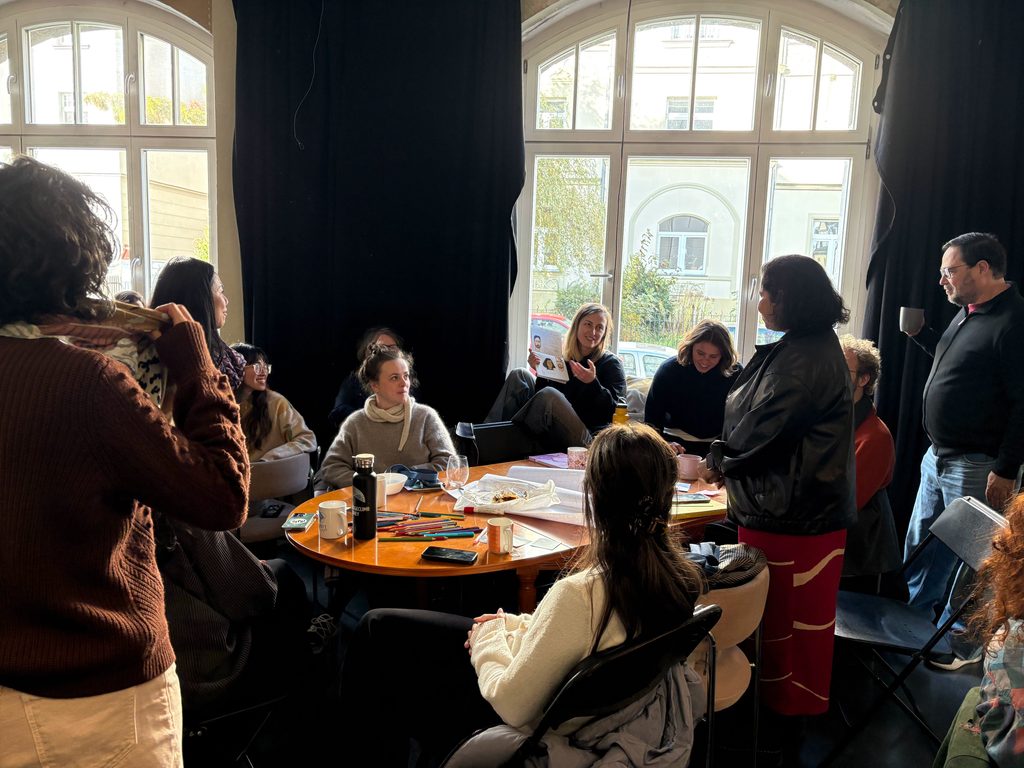
Over 5 days, participants from different countries (residing in Germany, Portugal, Norway, Belgium) and professional backgrounds came together to explore critical placemaking, community participation and non-formal education. Through discussions, practical activities, local visits and collaborative workshops, the training offered an opportunity to rethink how places are shaped and how communities can actively participate in their transformation.
Building a Shared Understanding of Placemaking
The European Placemaking Academy is a European cooperation project bringing together partners (CISR, Germany), Culture Goes Europe e.V (Germany), Urban Foxes (Belgium), Bymisjon (Norway) and Contextos (Portugal). It aims to strengthen the capacity of civil society organisations, municipalities, educators and community leaders to facilitate participatory placemaking.
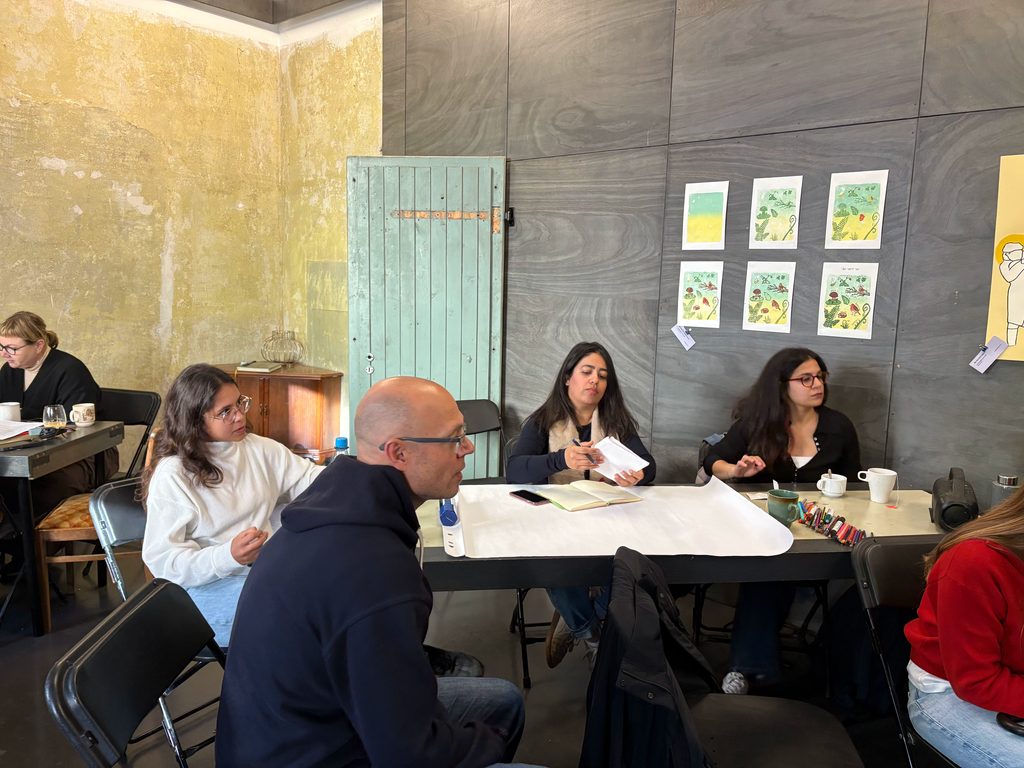
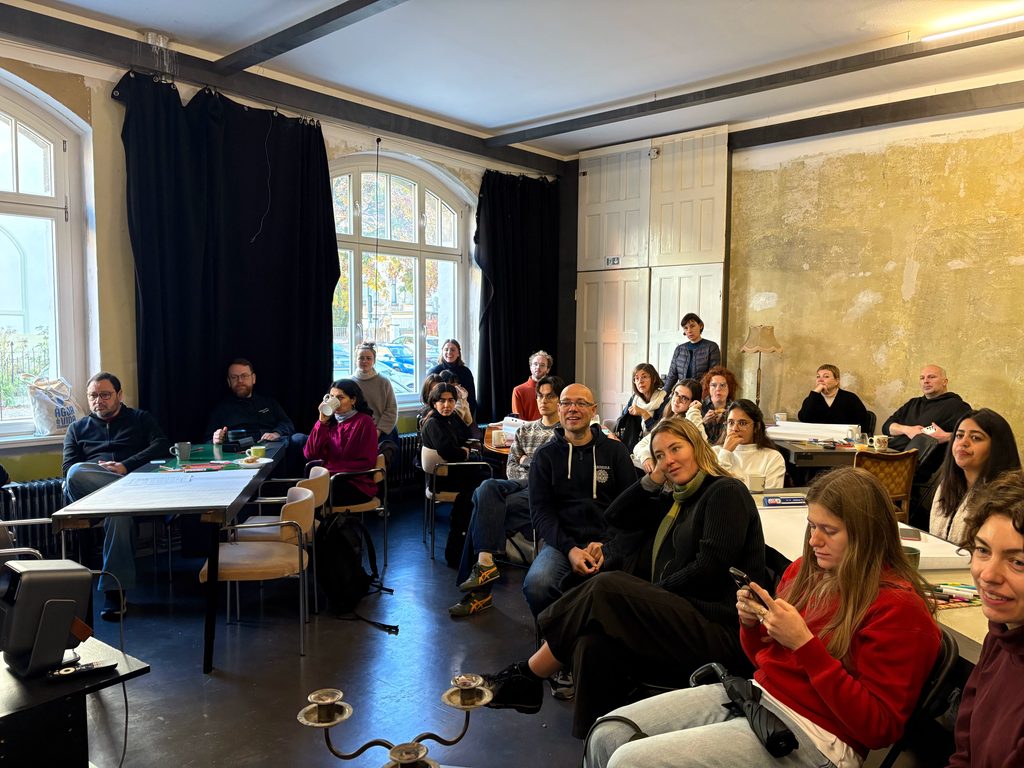
The training began at Other Music Academy (OMA), a cultural space in Weimar that combines arts, music and community life. After introductions to the project and its partners, participants reflected on their own experiences of places through collective mind mapping. Working in groups, they identified spaces they considered safe or unsafe, welcoming or excluding, and discussed the qualities that make a place thrive.
The activity highlighted how people can experience the same environment in different ways. Concepts such as well-being, connection, coherence and community needs emerged as essential elements of meaningful placemaking.

Who Decides What Makes a Place?
One of the central discussions explored the difference between space and place. While space can be understood through its physical dimensions, place is shaped by the meanings, relationships and experiences people attach to it.
But who has the power to define those meanings? Through images, debates and group reflections, participants questioned how ownership, social inequalities and decision-making processes influence urban spaces.They were encouraged to look beyond the visible results of placemaking initiatives and ask: Who benefits? Who decides? Who might be excluded?
Participants also shared examples of placemaking projects from different countries: cultural festivals, community spaces, urban interventions and neighbourhood initiatives. These exchanges revealed the diversity of placemaking approaches and the importance of understanding their social and political contexts.
Exploring Placemaking Through Local Visits
The programme included visits to local initiatives in Weimar and Erfurt, offering participants the opportunity to explore different approaches to managing and transforming places.
Before the visits, participants were introduced to the prototype EPA Place Diagnostic Tools, designed to analyse placemaking initiatives through questions of participation, accessibility, ownership and decision-making.
Visit 1: Community-led residential and commercial space (Alte Feuerwache Weimar e.V), a collective living and working initiative where residents and members participate in decisions about shared spaces and new members.
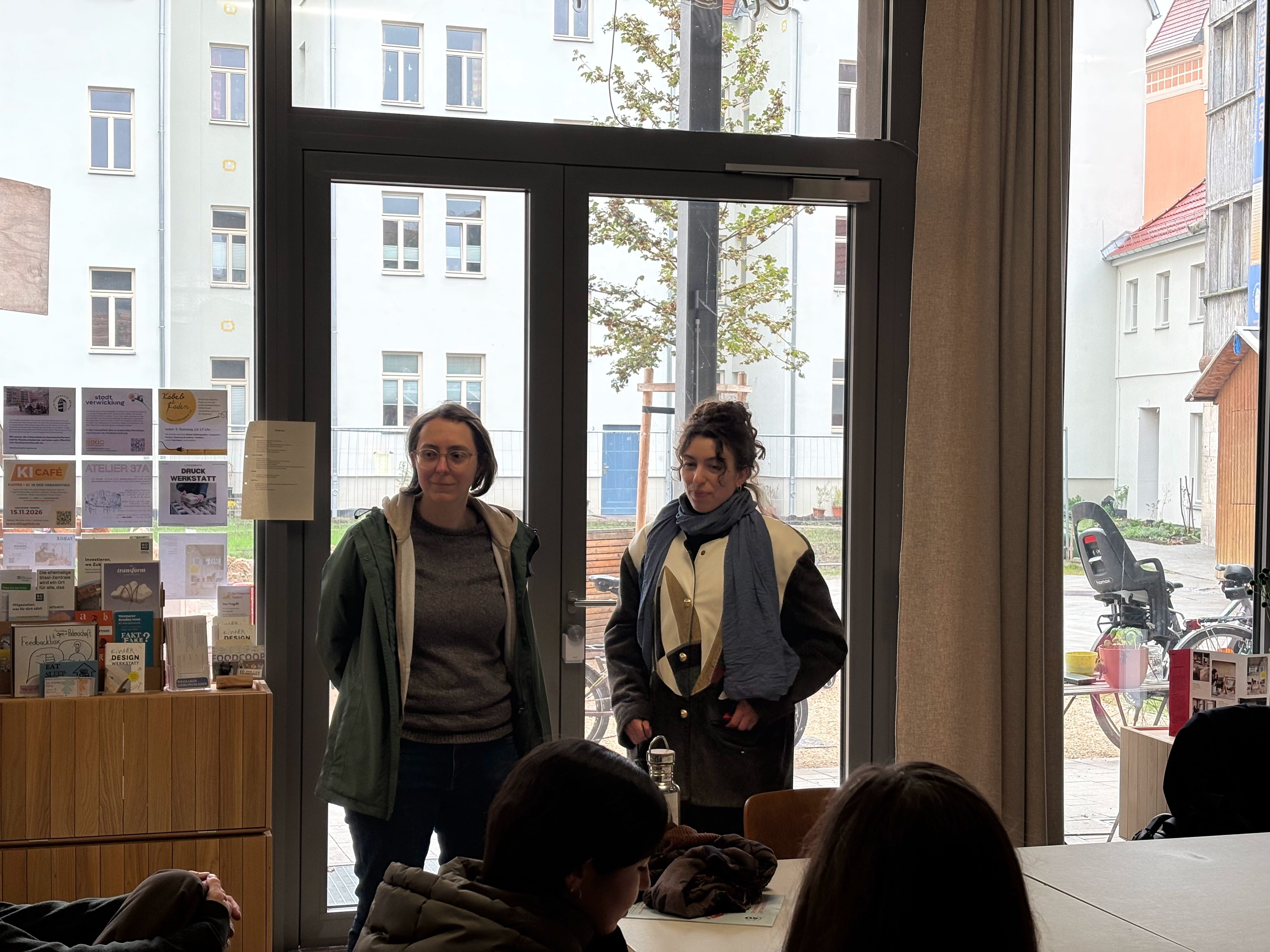
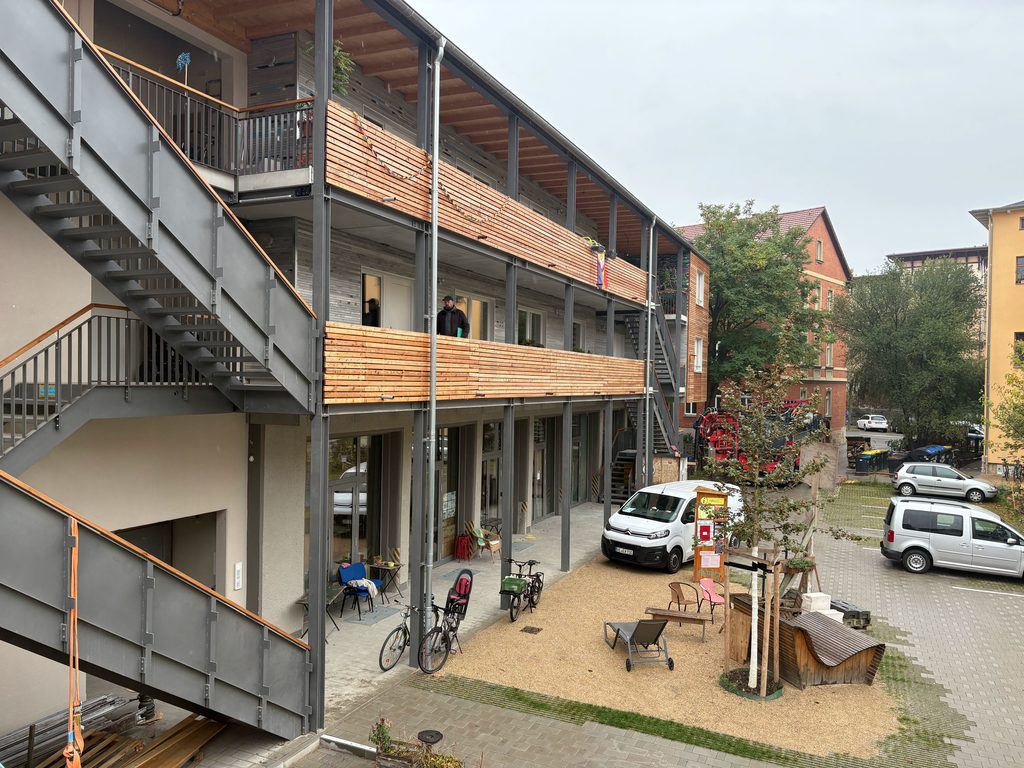
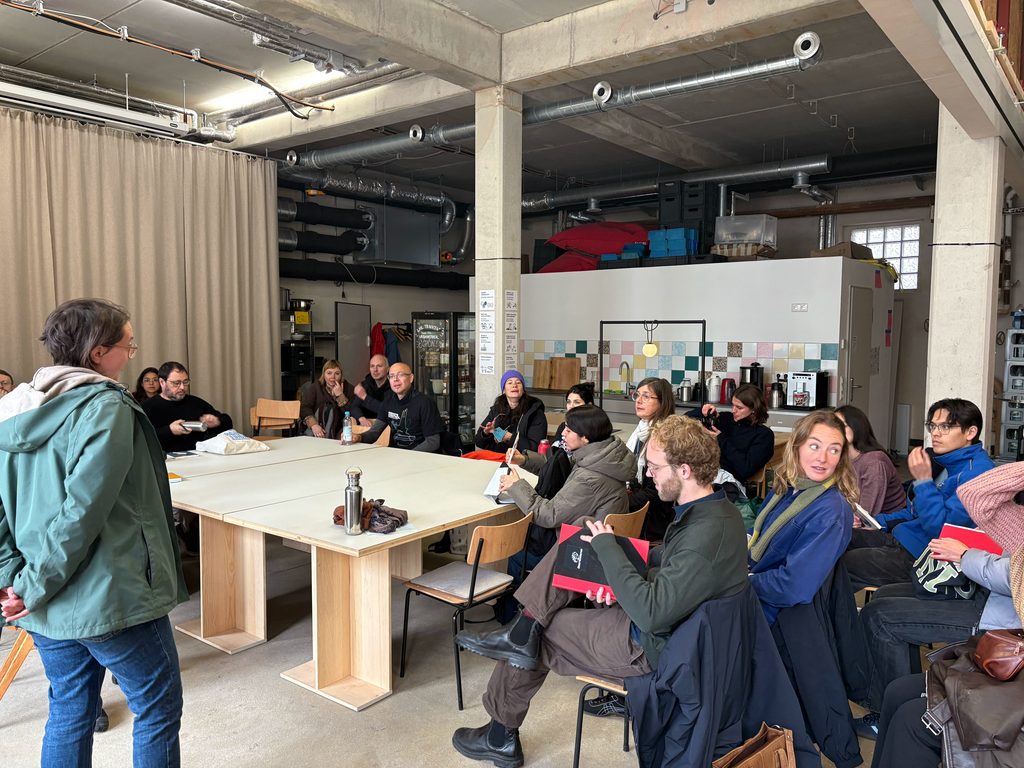
Visit 2: The group visited Weimar West with an explanation of the area and the fact that there are less activities than in the center of the city.
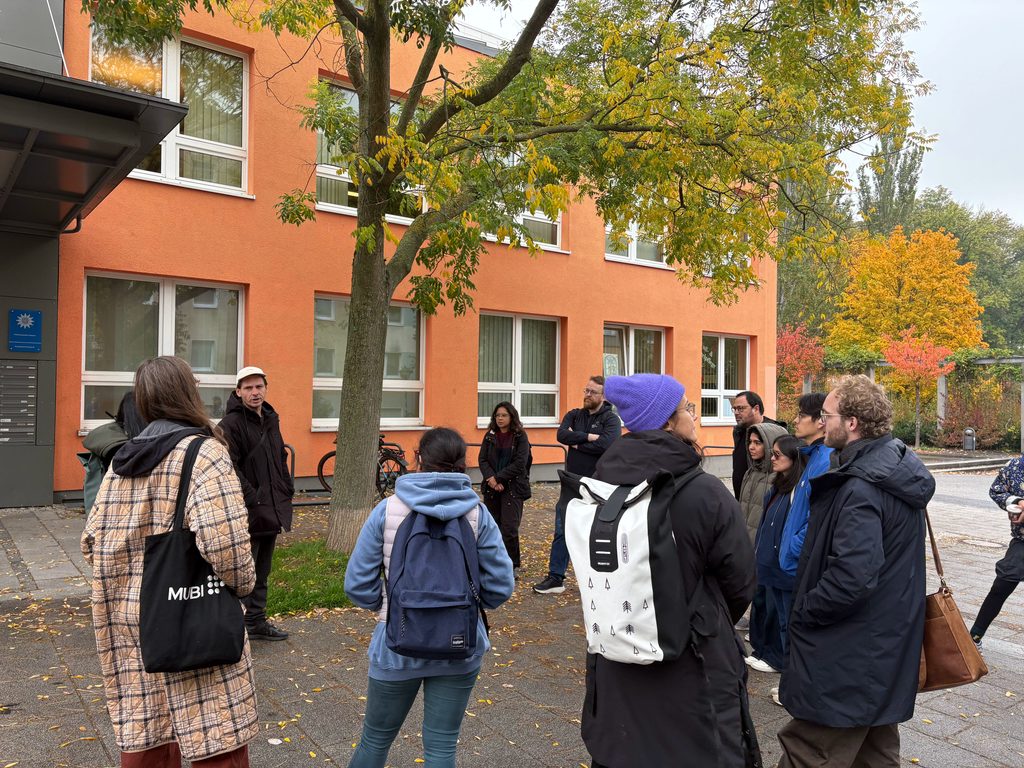
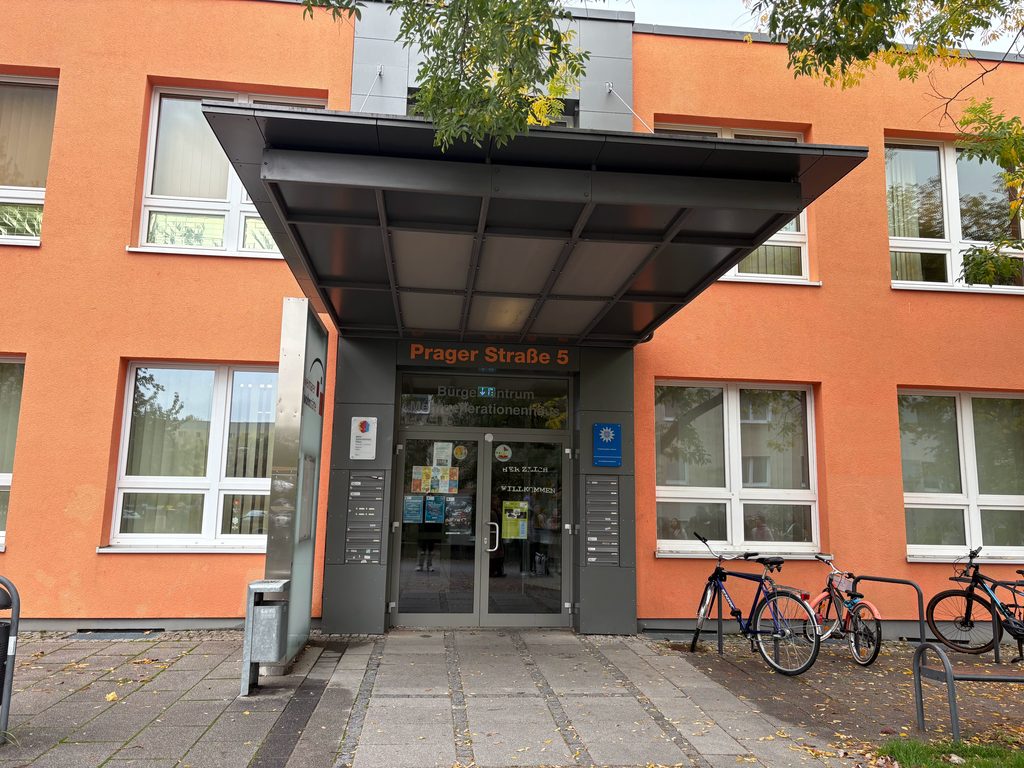
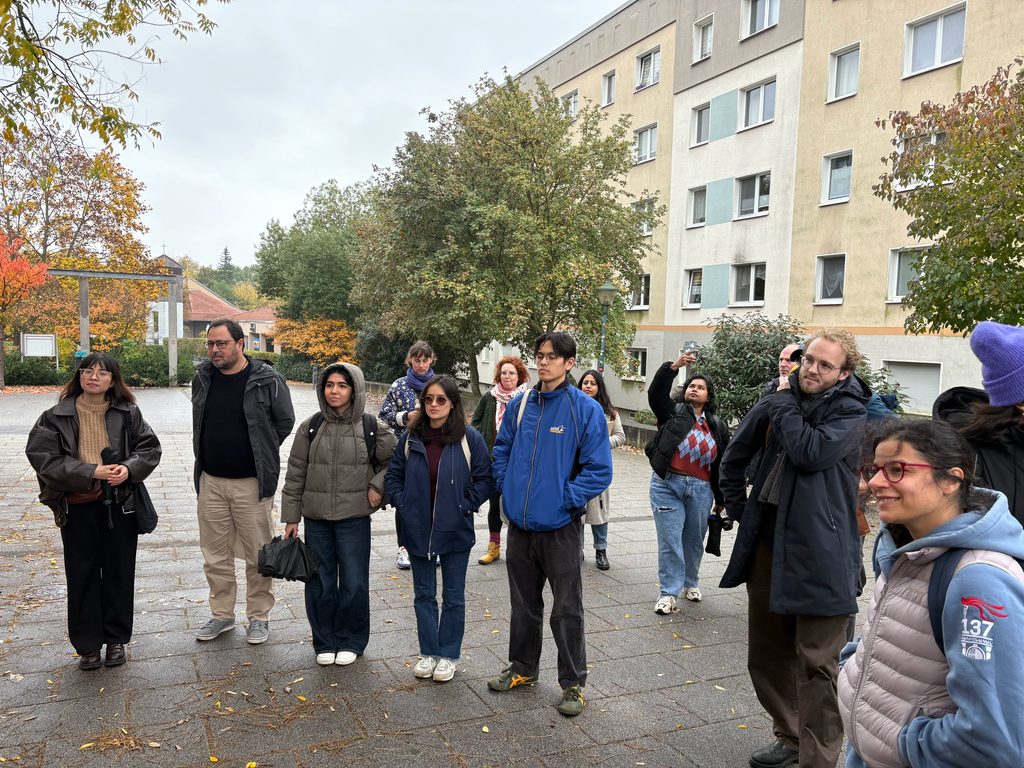
Visit 3: Fröhlich-Platz Initiative was introduced by Gall, with discussions about the neighbourhood, the 2 festivals that have been organised, and ideas for community-led transformation.
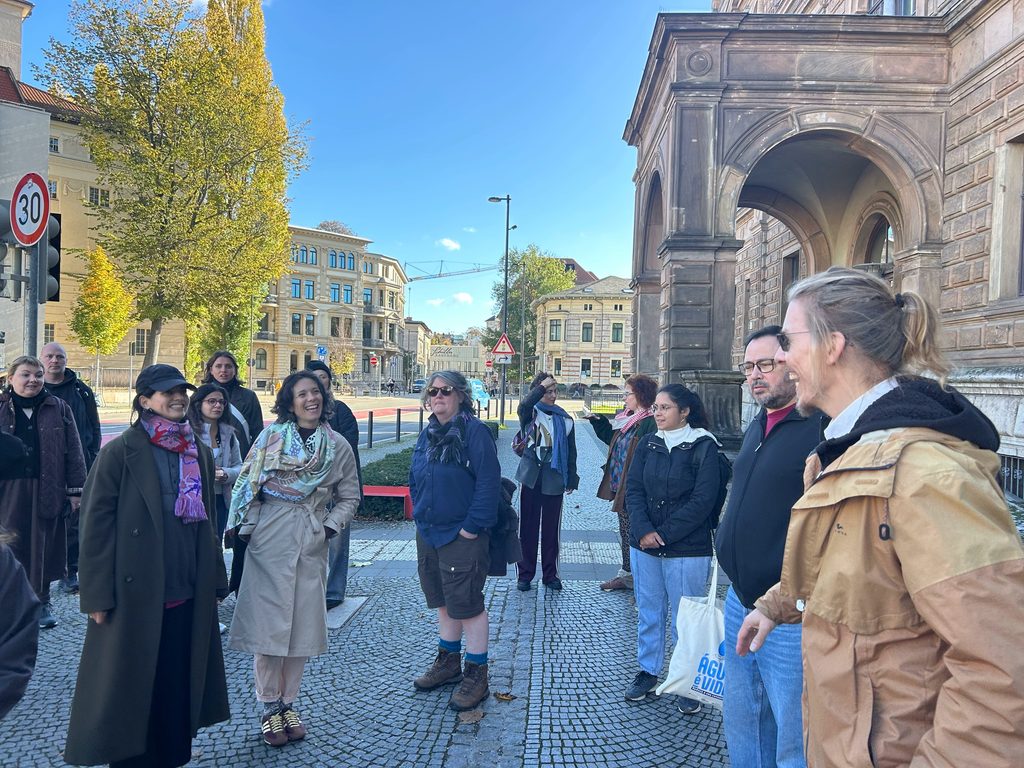
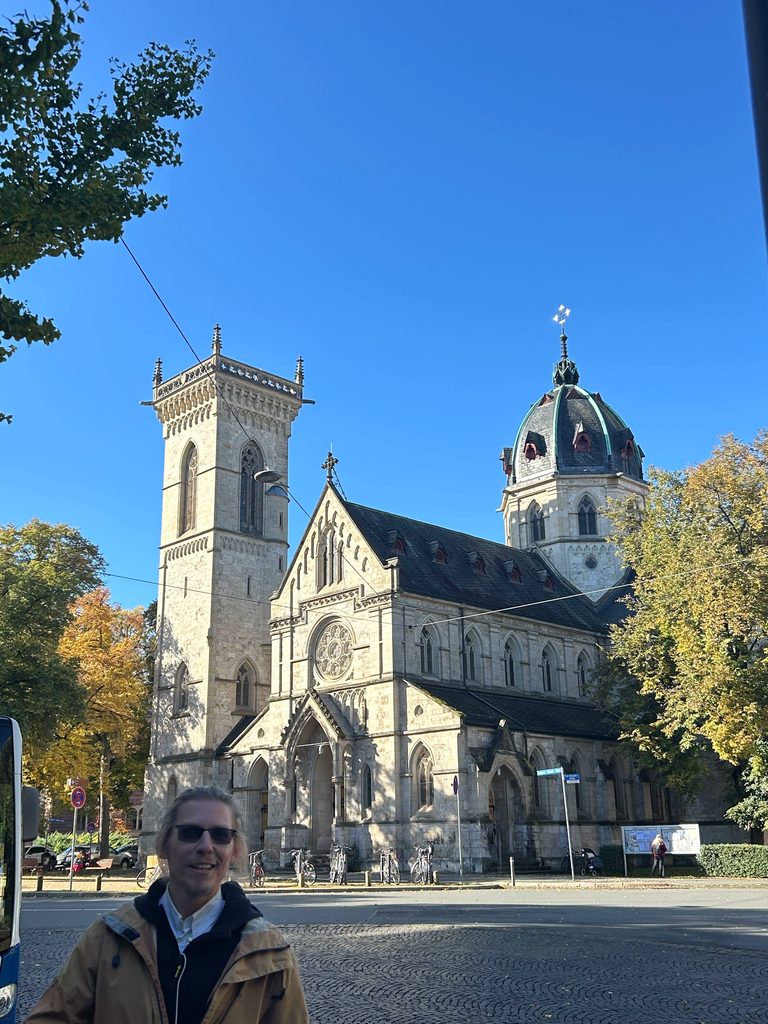
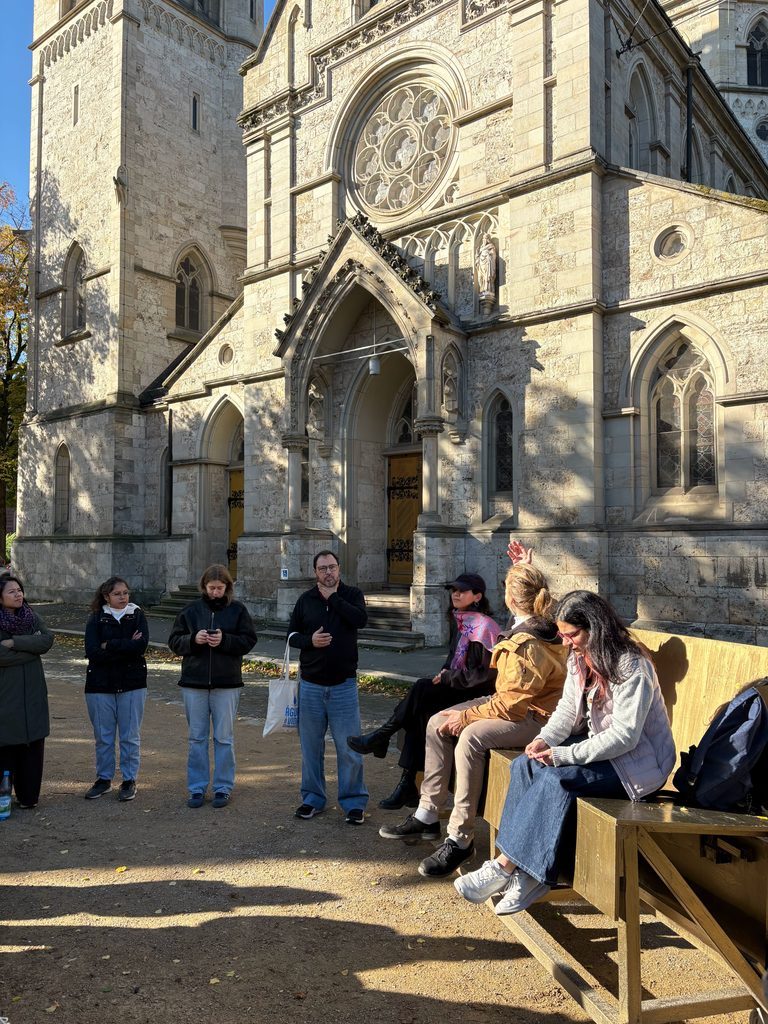
Visit 4: Zusammen – Leben – Gestalten e.V (ZLG) was presented by Sahi and Asal, who aim to create a more inclusive community, bringing together local people and people with migrant backgrounds through culinary activities and different workshops.
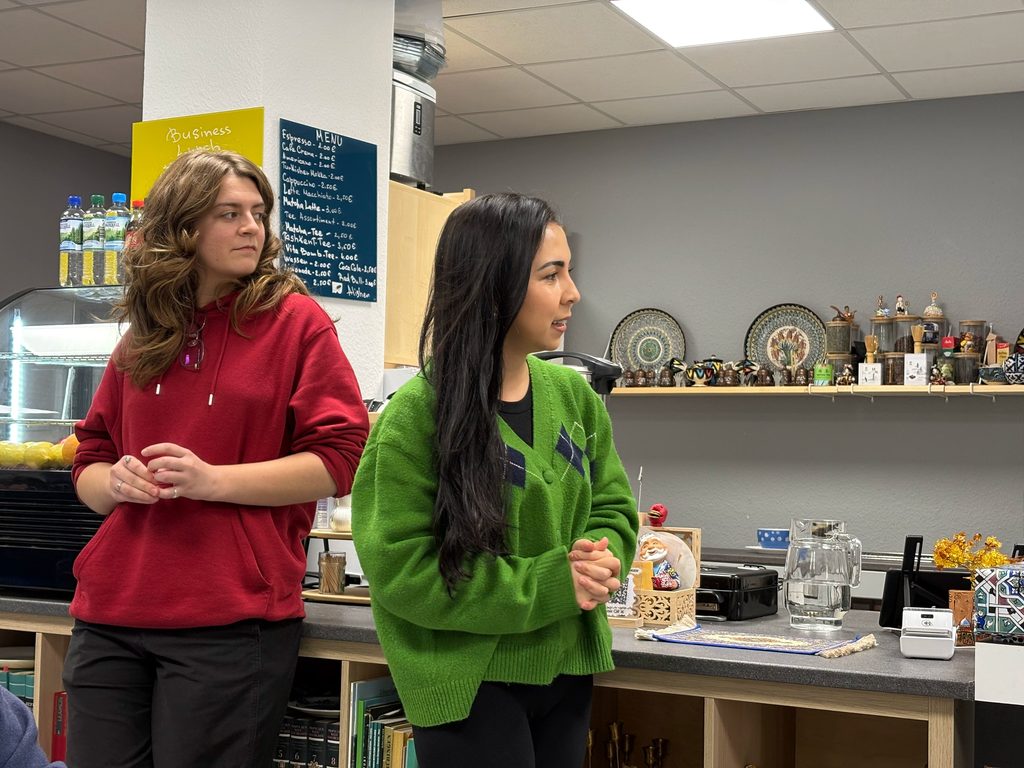
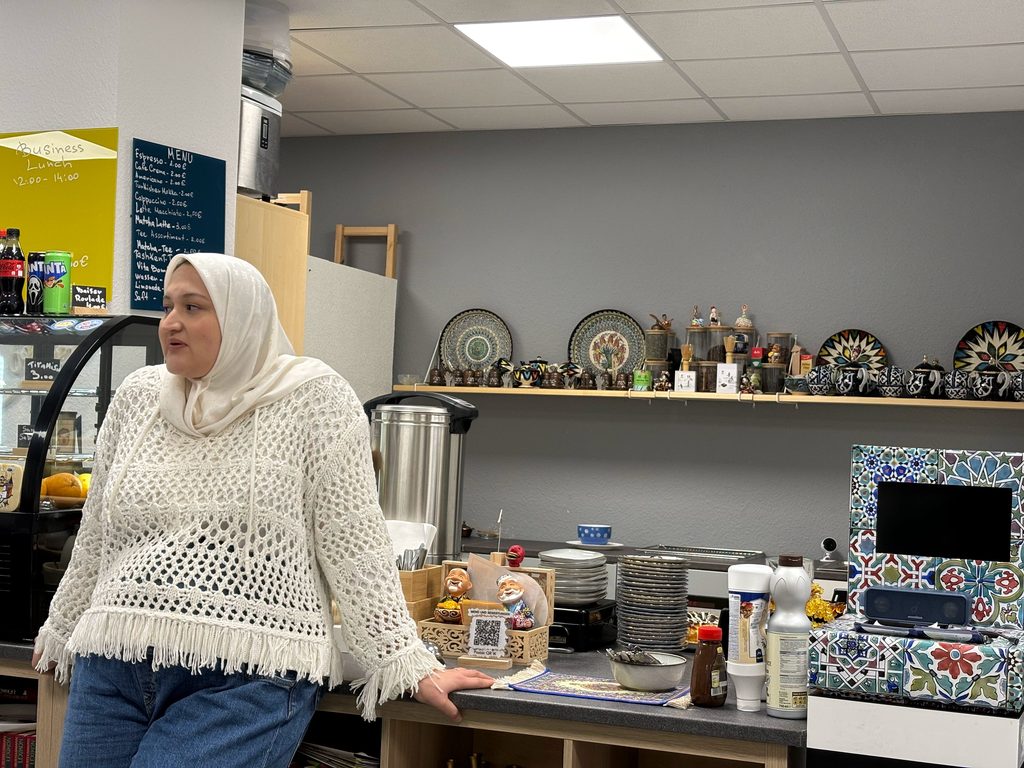
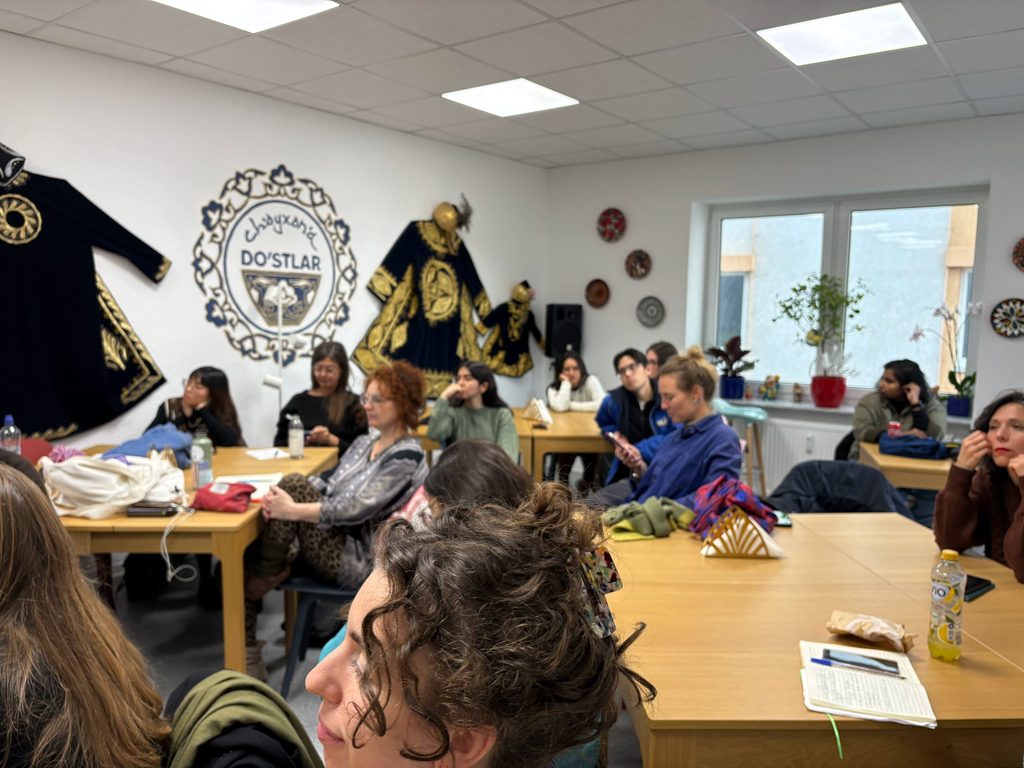
During the debrief, an important question emerged: Can we fully understand a place after a short visit or a conversation with only one person? The participants mentioned the importance of listening to different perspectives and recognising the complexity of local realities.
Learning Through Non-Formal Education
Another key part of the training focused on how non-formal education can support more inclusive and meaningful participation.
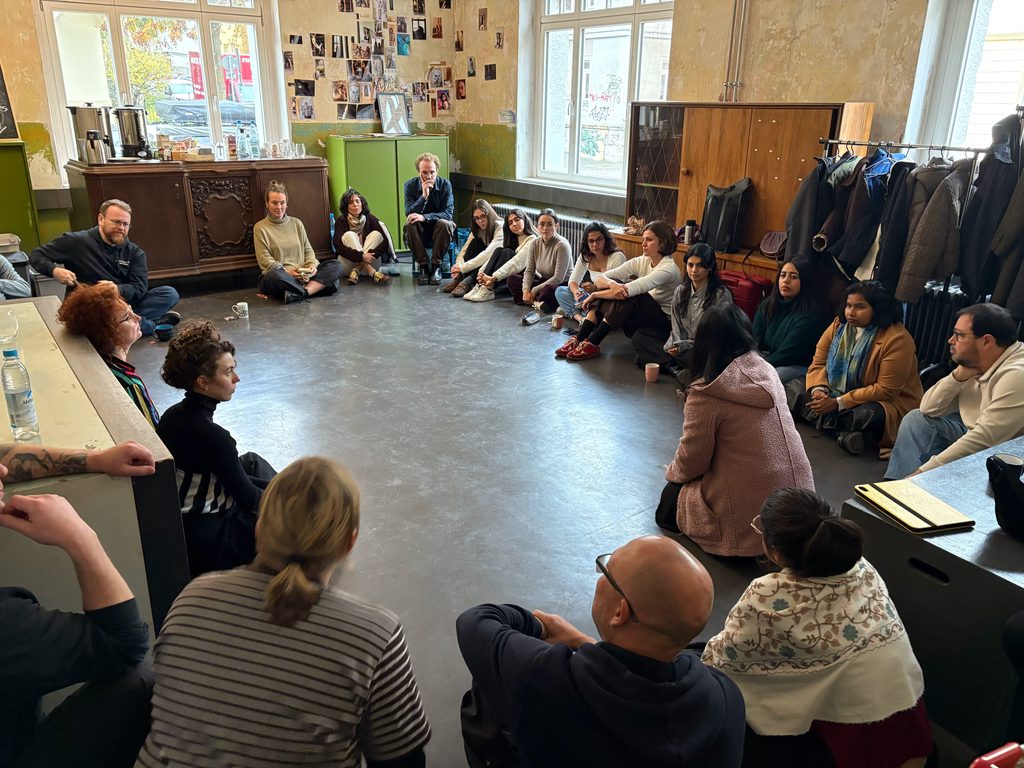
Participants reflected on the role of facilitators, describing them as gardeners, guides, hosts who create the conditions for people to express themselves, exchange ideas and collaborate.
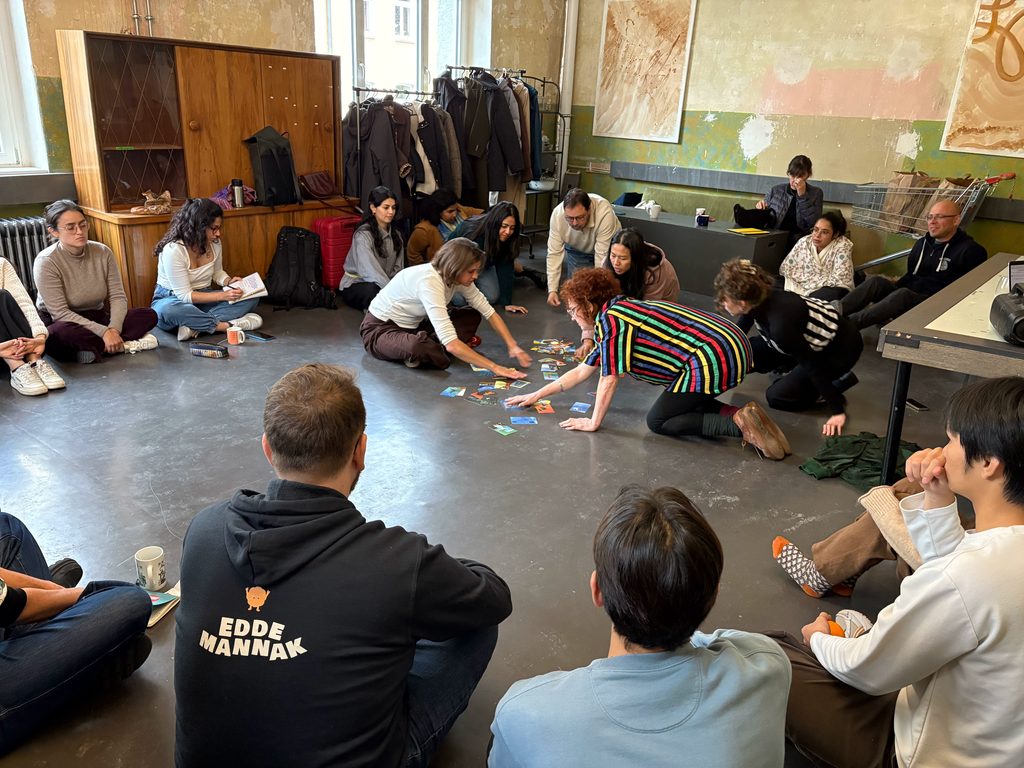
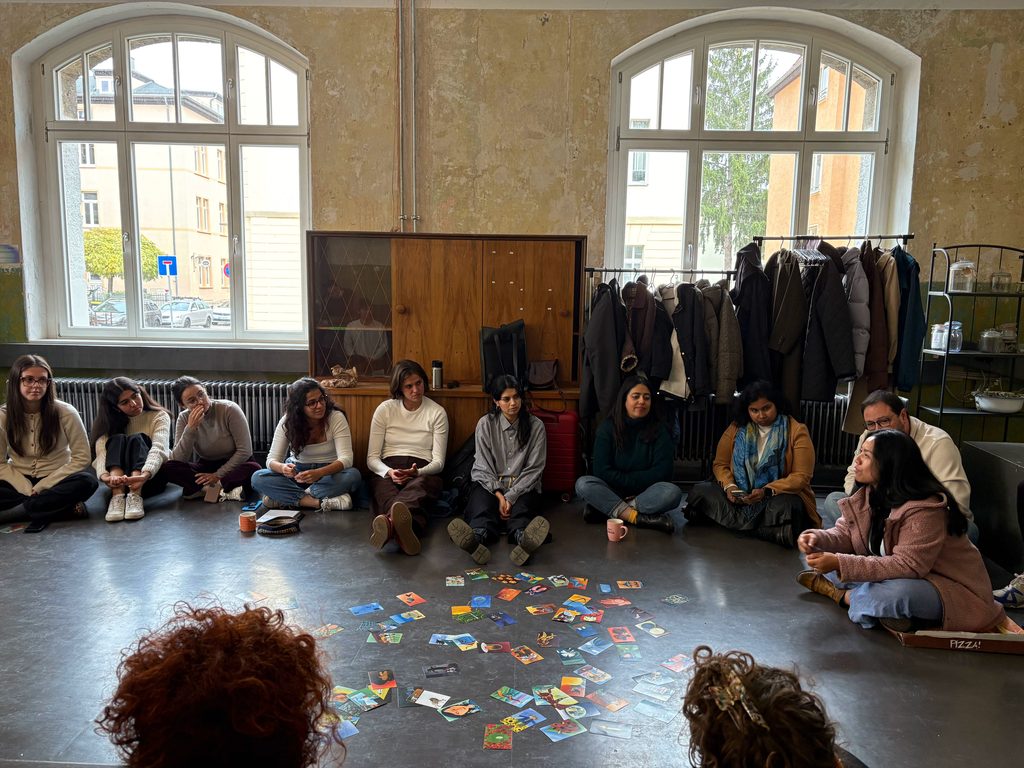
Through creative exercises they experienced playful ways of exploring people’s relationships with places. These activities demonstrated how participatory methods can encourage dialogue, creativity and engagement beyond traditional meetings or consultations.
The sessions also raised an essential question when designing participatory activities: Would I actually enjoy taking part in this?
Connecting Communities and Institutions
A session led by political scientist Anton Brokow-Loga explored strategies for connecting grassroots initiatives with municipalities and institutions. Participants discussed different approaches to urban transformation and reflected on the role placemakers can play in building relationships between communities and decision-makers.
The discussion highlighted the challenges of balancing community autonomy with institutional collaboration, while exploring how local initiatives can contribute to longer-term change.
Designing Tools for Inclusive Placemaking
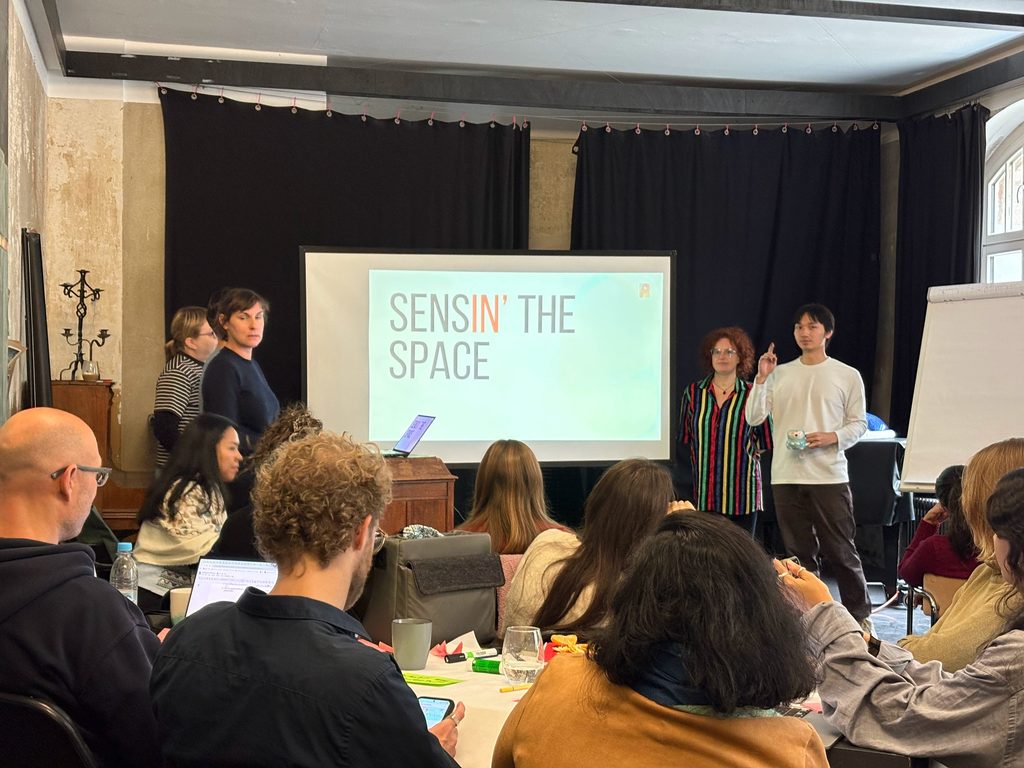
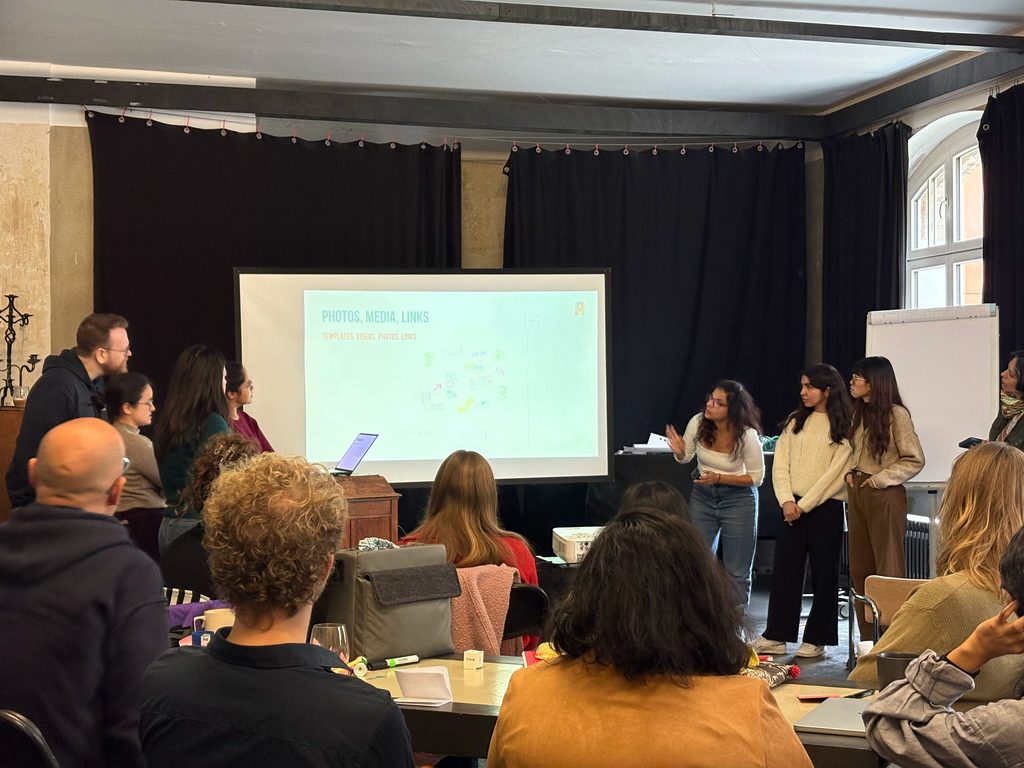
Building on the knowledge and experiences gained throughout the week, participants worked in groups to develop their own participatory tools.
The aim was to create practical and creative methods that could support different phases of the placemaking process, from understanding local needs to encouraging community involvement.
Through collective brainstorming, experimentation and peer feedback, the groups explored how to make participation more accessible, interactive and inclusive.
This collaborative process reflected one of the training’s key principles: designing with communities, rather than simply for them.

Beyond Weimar: A Continuing Learning Journey
The European Placemaking Academy Training Course highlighted that placemaking goes beyond the physical transformation of public spaces. It is also about relationships, belonging, shared responsibility and the power to shape our surroundings.
Through exchanges, critical reflections and practical experimentation, participants explored how to make placemaking processes more inclusive and community-driven. The experiences and ideas developed in Weimar will contribute to the ongoing development of EPA’s methodology and educational resources, supporting future participatory placemaking initiatives across Europe.
The final message is : Communities should not simply be consulted about the places they inhabit. They should be empowered to become their co-authors.
European Placemaking Academy project is co-funded by the European Union through the Erasmus+ Programme. Views and opinions expressed are, however, those of the author(s) only and do not necessarily reflect those of the European Union or the European Education and Culture Executive Agency (EACEA). Neither the European Union nor EACEA can be held responsible for them.