
SOCIAL IMPACT – 2025-1-SE02-KA220-YOU-000360619
Training: 21–28 September 2026 | Orrefors, Sweden
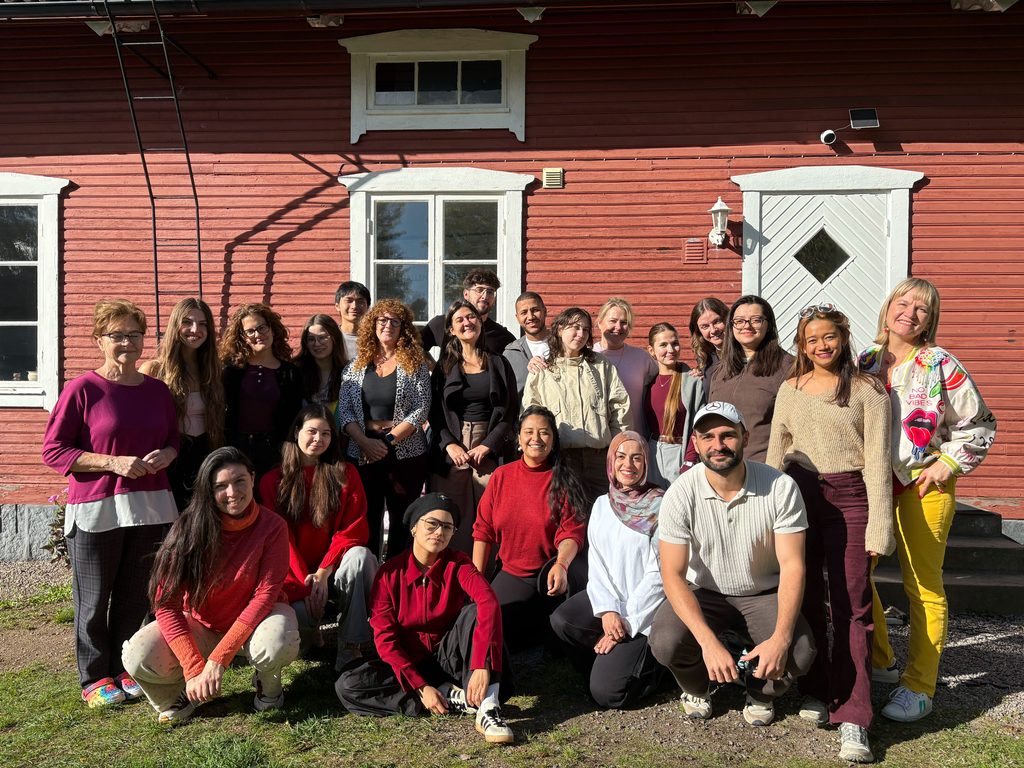
How can youth-focused NGOs communicate more effectively in a digital world? How can we create content that is not only attractive, but meaningful? And how can social media, storytelling and generative AI help organisations increase their visibility while staying authentic to their values? These were some of the questions during the SOCIAL IMPACT project, which brought together partners from four European countries: Logos (Poland), Culture Goes Europe e.V Erfurt (Germany), Goodness of People (Sweden) and Fedelatina (Spain).
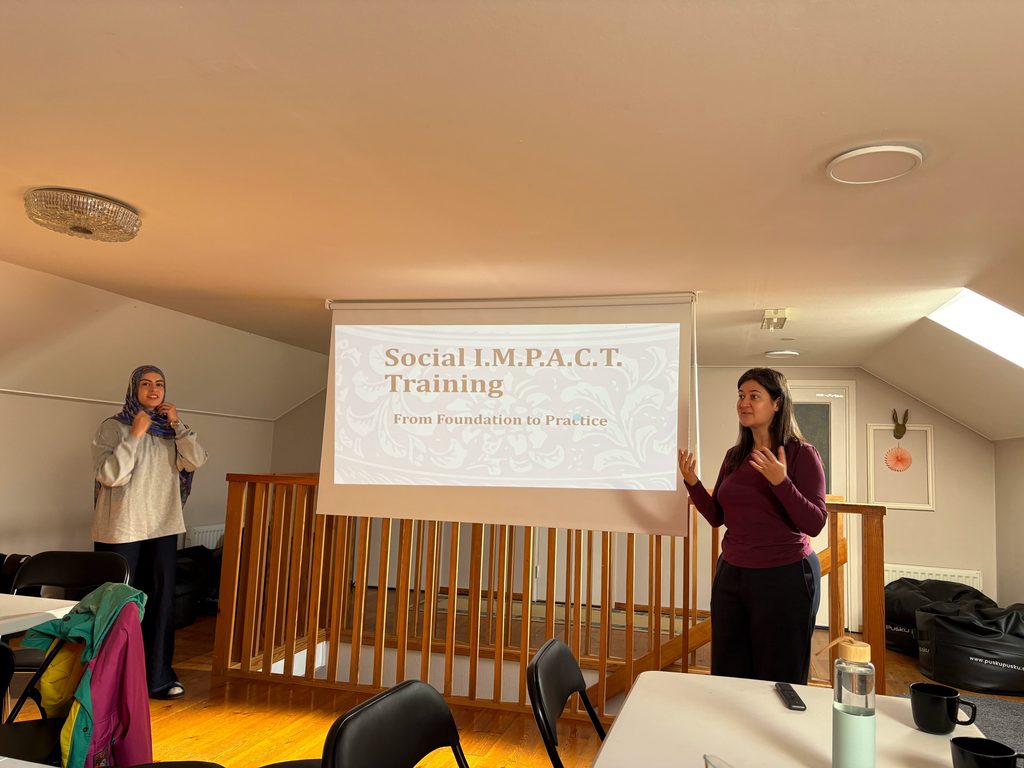
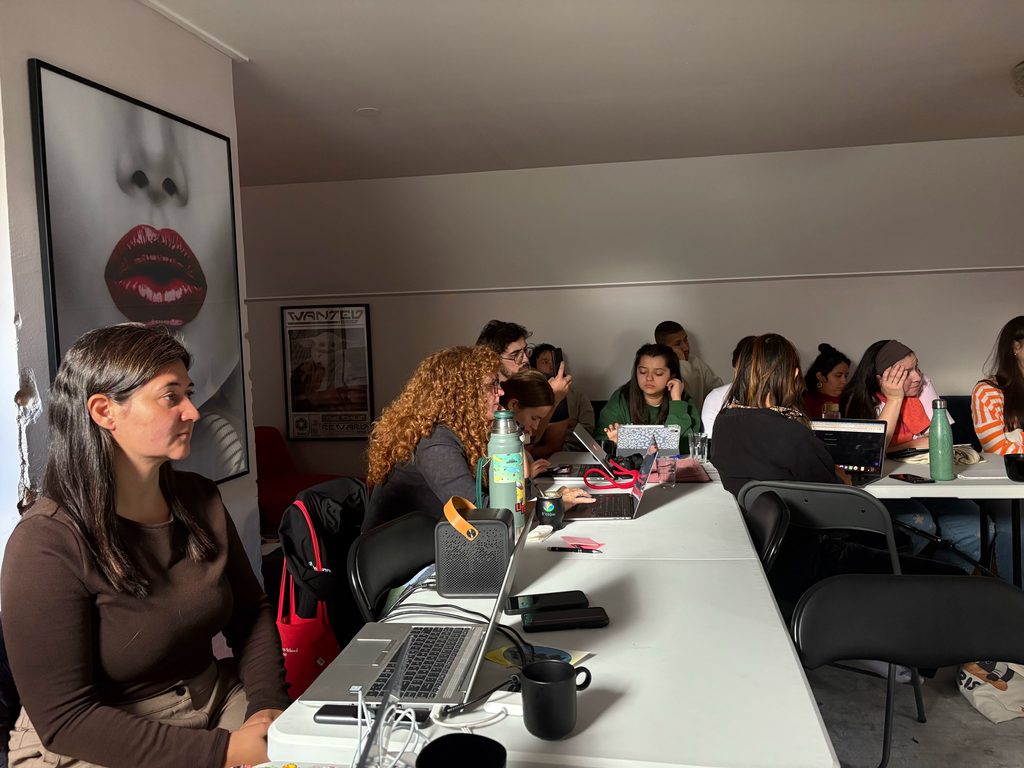
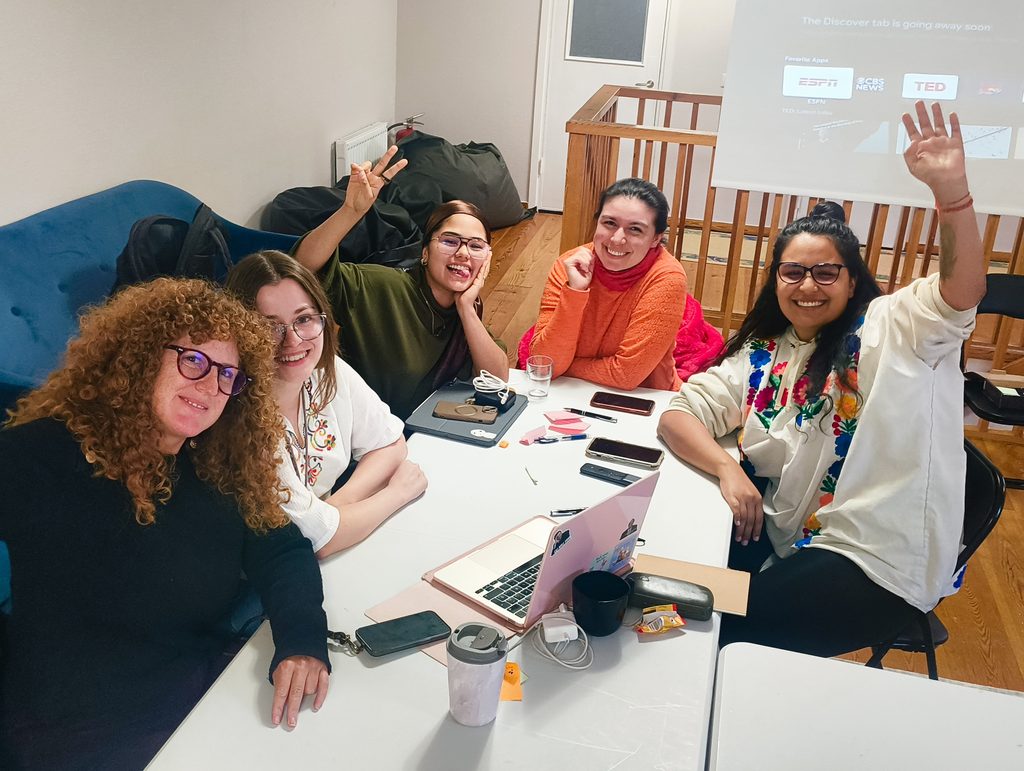
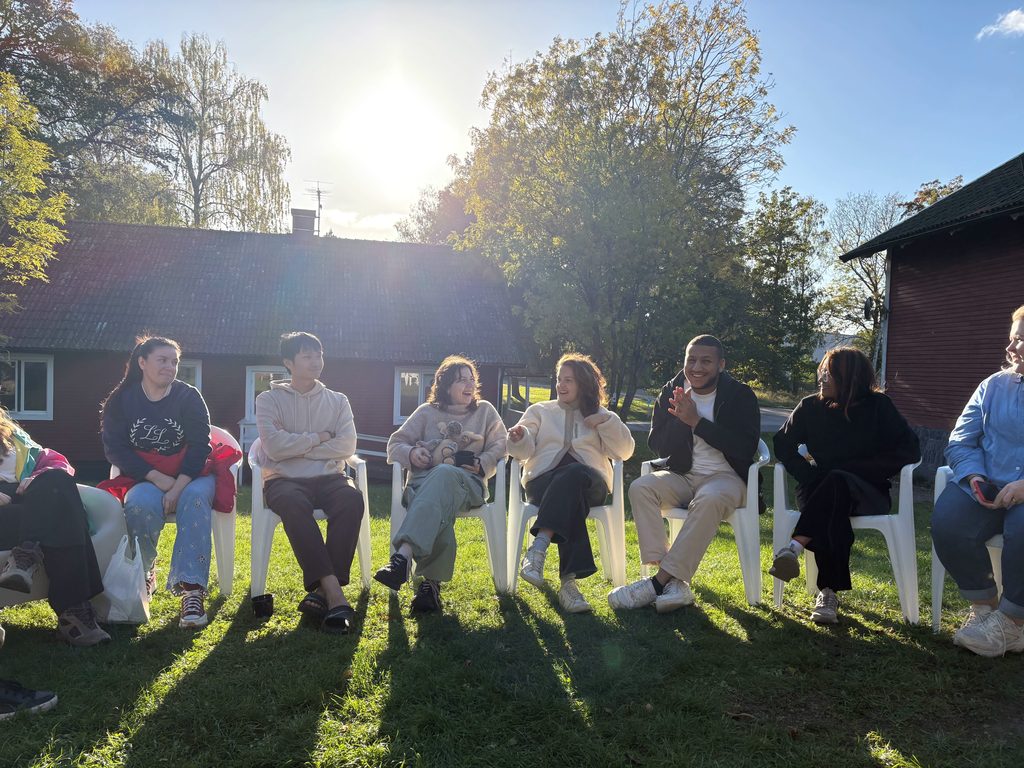
During a week of training from the 21st until the 28th September 2026 in Orrefors, Sweden participants explored how stronger digital communication can support youth work, engage communities and increase the impact of NGOs online.
The project aims to strengthen the digital engagement, communication and impact dissemination capacities of youth-focused NGOs by developing skills in content creation, social media management and the use of generative AI. Through training, mentorship and local practice, participants are developing practical tools that can be taken back to their organisations and used in everyday communication.
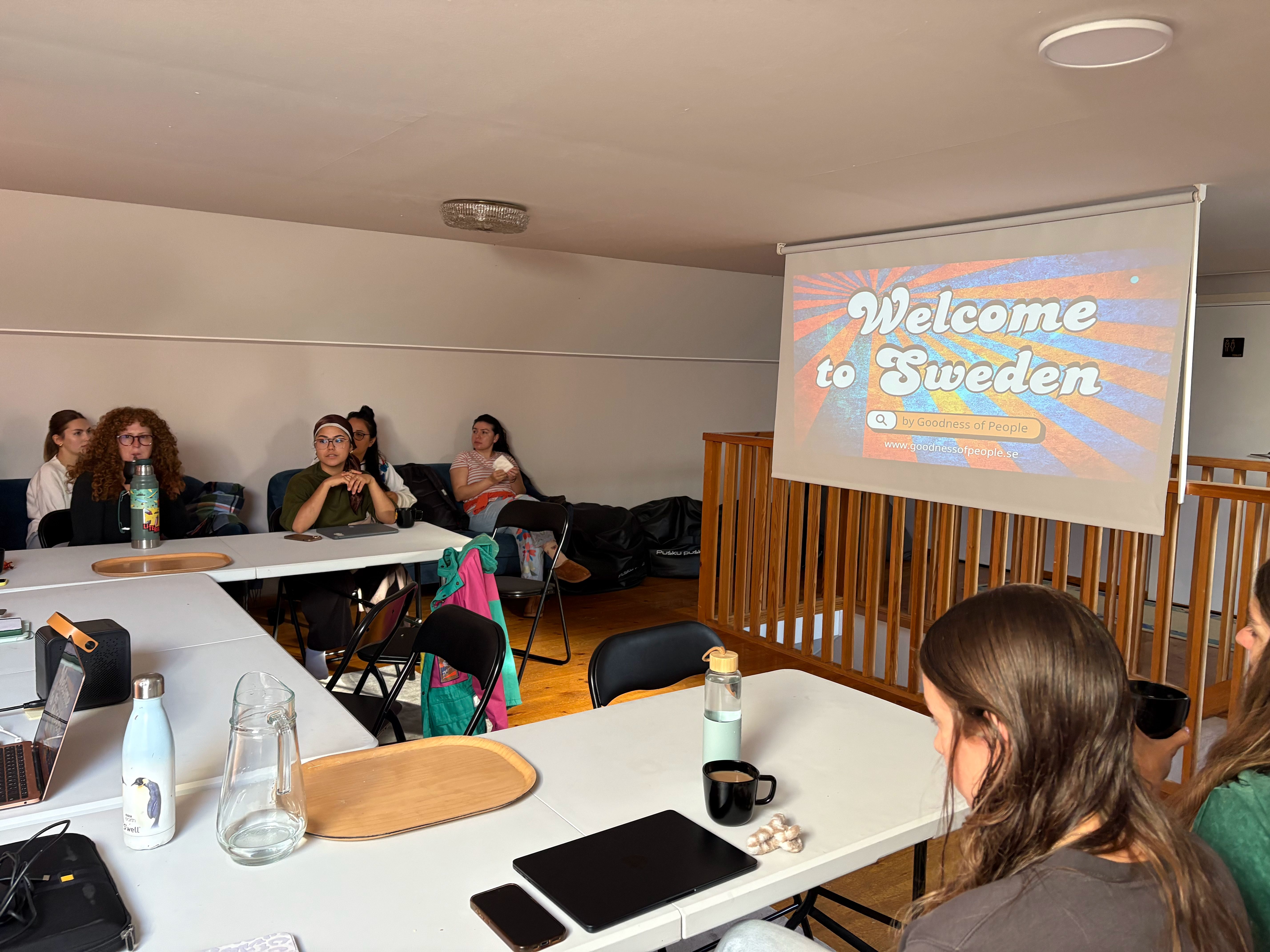
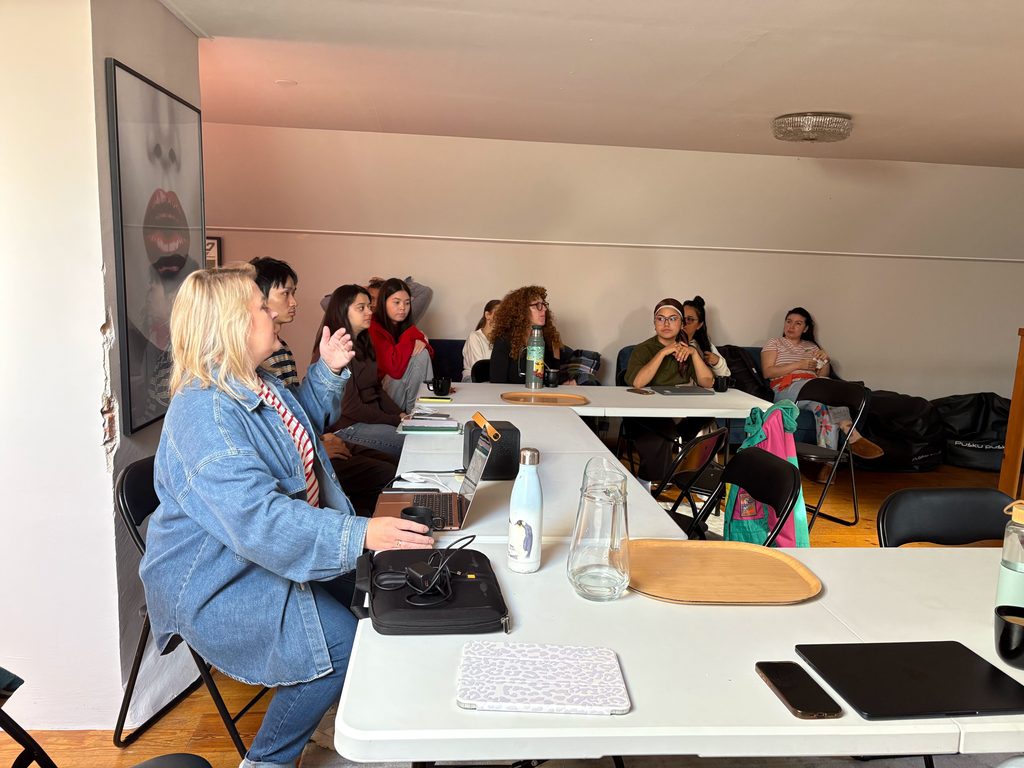
From posting to having a strategy
We started by exploring the difference between simply posting content and having a communication strategy .Good communication starts with clear questions: Who are we speaking to? What do we want to say? Why does it matter? And what action do we want people to take?
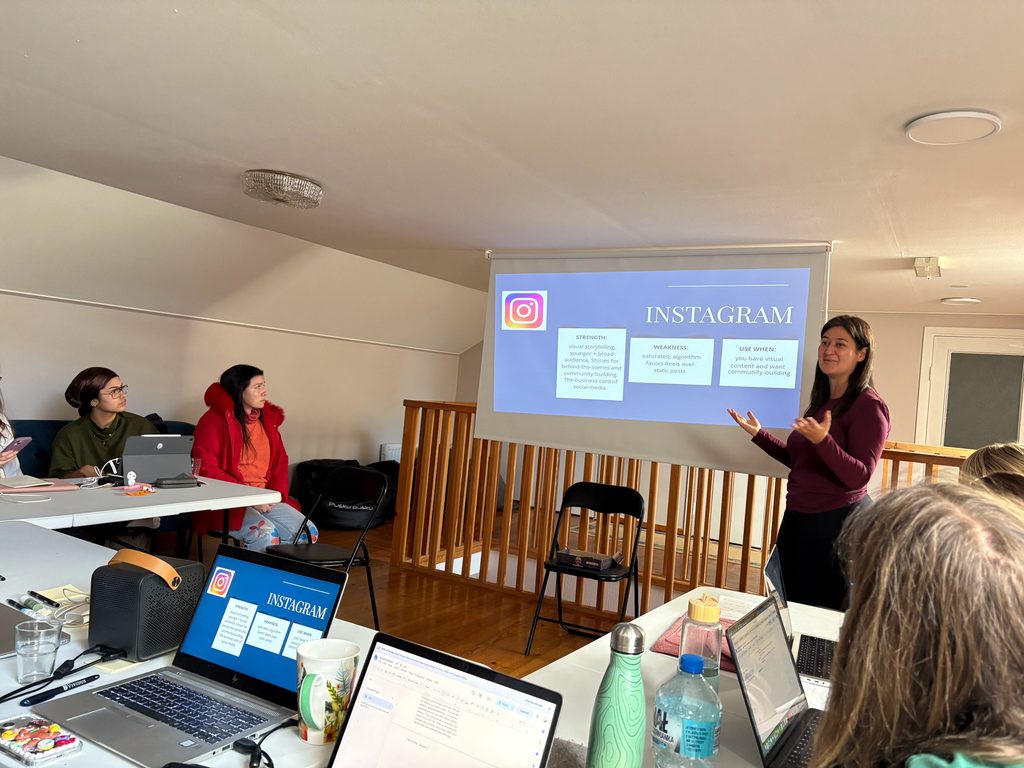
We looked at how to define target audiences, develop key messages and choose the right platforms. Rather than trying to be everywhere, organisations need to focus on the platforms that matter most to their audiences and communicate consistently.
A social media calendar can then turn this strategy into action by helping organisations plan what to communicate, when to communicate it, on which platform and with what objective. The key lesson was simple: social media should tell a consistent story about who we are and why our work matters.

Building a stronger and more recognisable brand
Communication also starts with knowing who you are as an organisation. Throughout the training, we explored the different elements of a strong brand: identity, positioning, messaging, visual style and tone of voice.
For CGE, this meant asking important questions: What makes us different? What do we stand for? How do we want people to experience our organisation? We worked on developing clear brand guidelines that can be shared with staff, volunteers, partners and future team members. These guidelines can include the logo, colour palette, fonts, templates, key messages and tone of voice.
Consistency is essential. Whether someone sees a social media post, a presentation, a website update or an event announcement, the communication should feel like it comes from the same organisation.
But branding is also about having a clear voice. For CGE, the aim is to communicate in a way that is simple, reliable, human, concrete, friendly and inclusive, while reflecting the organisation’s values and its focus on the experiences of migrants and people living in another country.

Creating content that people want to see
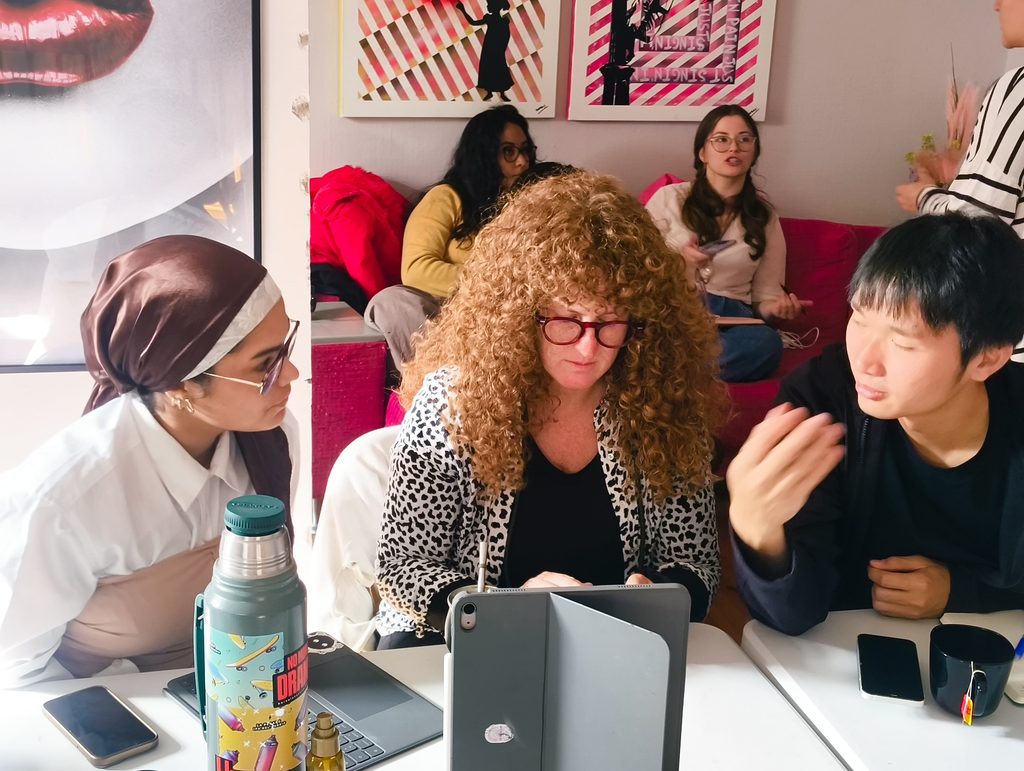
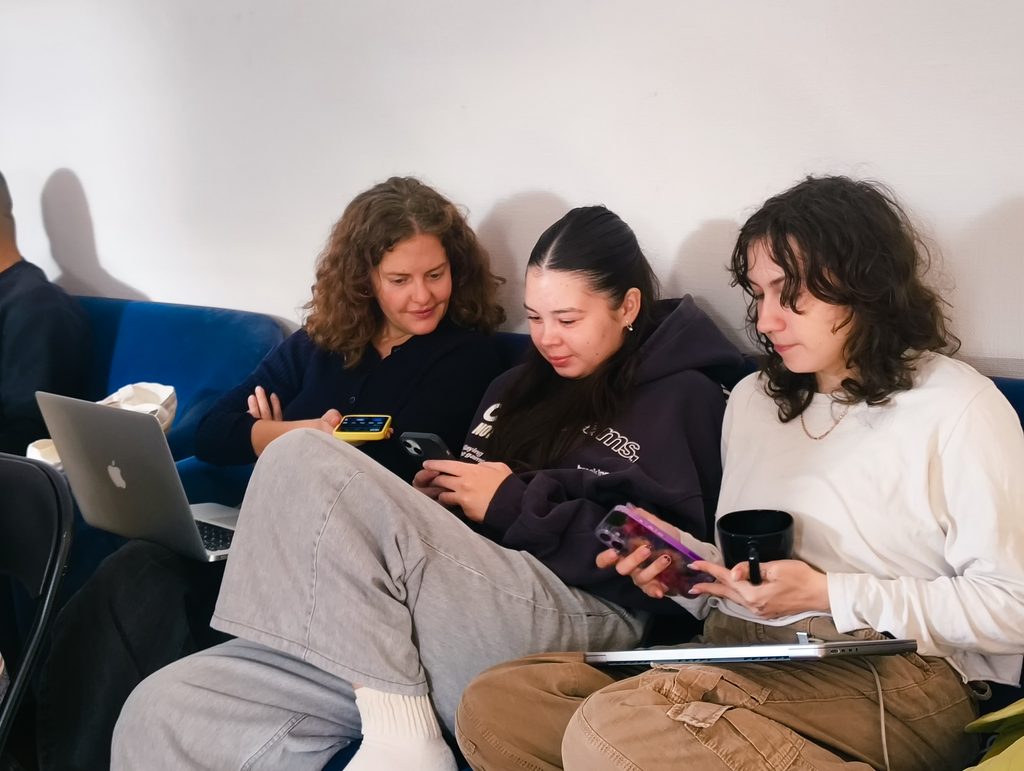
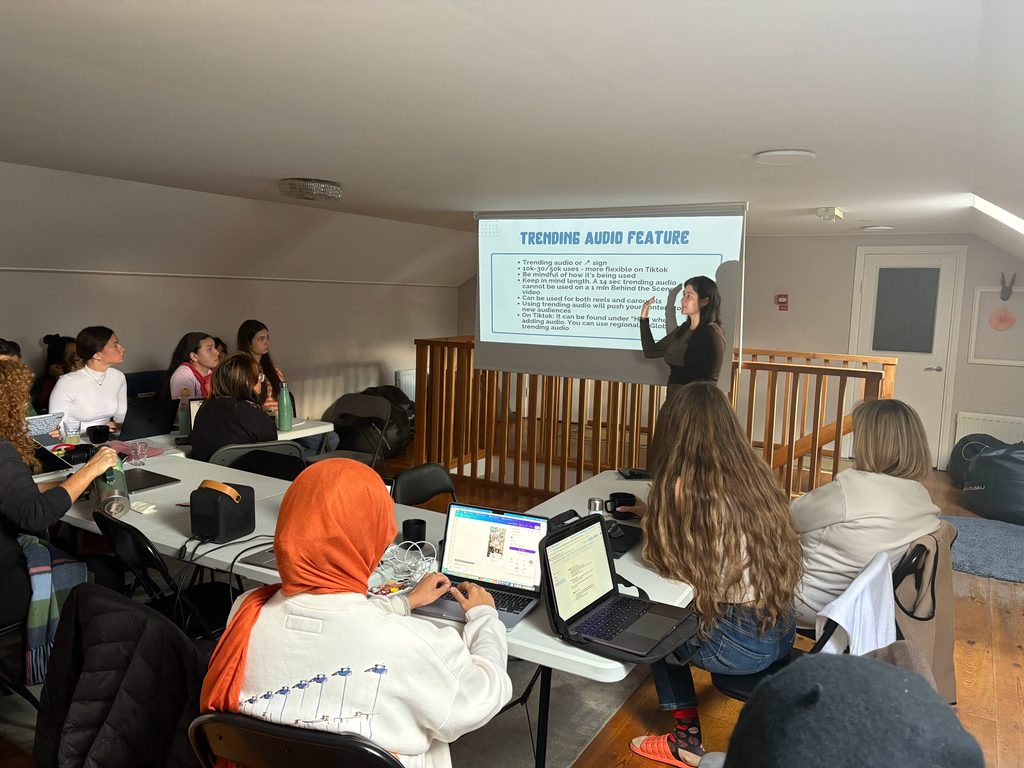
We explored different formats that NGOs can use to communicate their work, including short videos, Reels, voiceovers, interviews, testimonials, carousels, stories, polls, Q&As, educational posts, event announcements and behind-the-scenes content.
The goal is not simply to announce what an organisation is doing, but to show what it actually looks like. What does a day in the life of a volunteer look like? What happens when people from different countries come together for a project? These everyday moments can become powerful stories.
We also worked with practical tools such as Canva and CapCut, learning how to structure short videos, write scripts, use captions and voiceovers, select relevant clips and adapt content to current trends.
We explored the importance of hooks, particularly the first few seconds of a video, as well as clear captions and calls to action. Sometimes the desired action is simply to follow an account or learn more. In other cases, it might be to register for an event, apply for an opportunity, share a post or start a conversation.
The important thing is to know why we are creating the content before we create it.

Storytelling: putting people at the centre
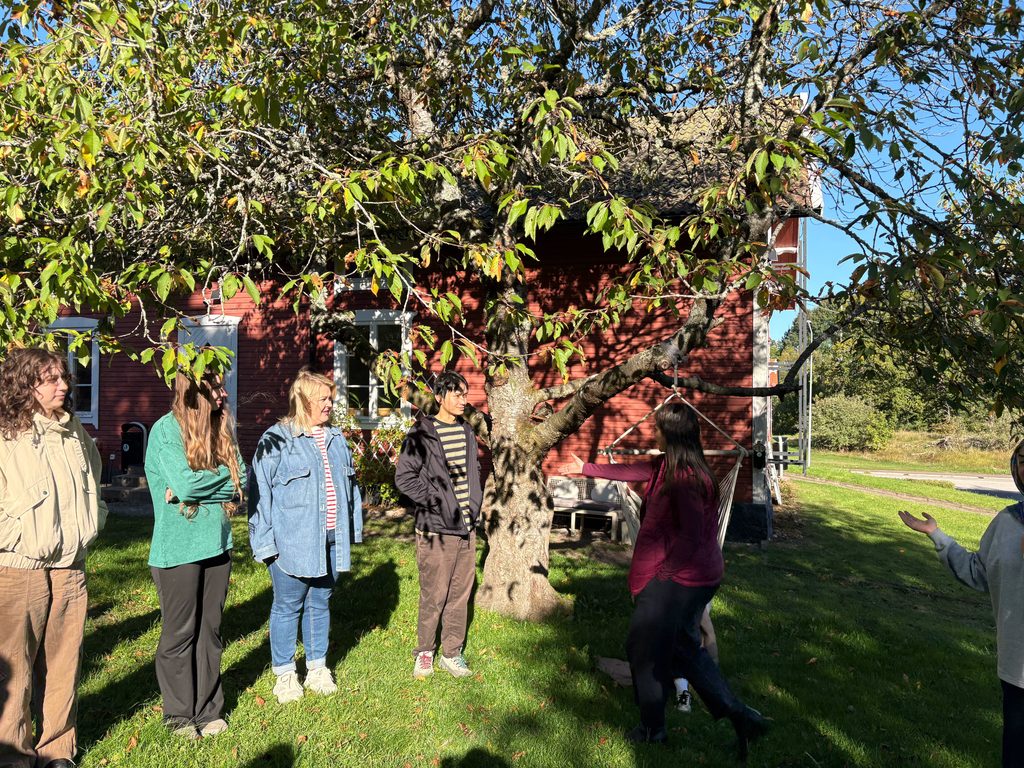
Storytelling was another important part of the training, particularly through photography and video. Visual communication can attract attention, create emotion, raise awareness and make people curious about an issue. A powerful photograph does not always need a long explanation. Sometimes an image can make someone stop, think and want to know more.As part of a practical exercise, participants created a three-picture storytelling series addressing a socially important issue.
But storytelling also requires responsibility. When NGOs communicate about migration, humanitarian issues, inequality or other social topics, there is a risk of creating a “saviour” narrative, presenting people as passive victims or positioning Western organisations as the heroes of someone else’s story. We therefore discussed the importance of participatory storytelling.
Instead of deciding what someone’s story should be, we can ask: What do you want to say? Giving people with lived experience the space to represent themselves can make communication more authentic, respectful and representative. It means listening to people’s experiences, understanding their language and perspective, and avoiding narratives that speak for people rather than with them.
Meaningful communication should reflect the diversity, agency and voices of the communities we work with.

Making content sustainable
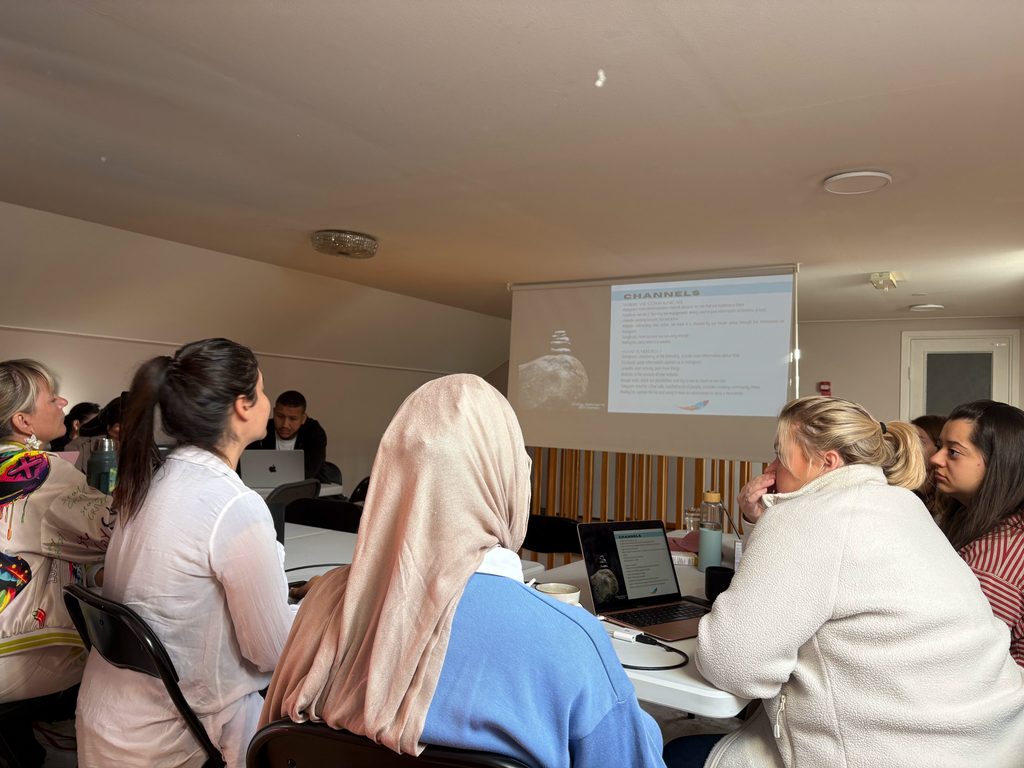
During the training, we looked at ways to make communication more sustainable. Reusable Canva templates, content calendars, clear approval processes and dedicated time for content creation can reduce the amount of work that needs to be repeated.
We also discussed the importance of being realistic. It is better to consistently publish two good pieces of content every week than to create an ambitious daily schedule that becomes impossible to maintain.
The goal is not to create more content. It is to create better, more purposeful content more efficiently.

Measuring what works
We explored different social media metrics, including reach, impressions, followers, profile visits, watch time, engagement, shares, saves and click-through rates.
Not every number is equally meaningful. A large number of views can be interesting, but watch time, shares, saves, clicks and conversions can often tell us much more about how people are responding to our content. Organisations can choose two or three meaningful Key Performance Indicators (KPIs) and track them consistently over several months.
By recording the results regularly, organisations can identify trends, understand what their audiences respond to and make better decisions about future content.
Exploring AI as a communication tool
We explored how AI can support NGOs with brainstorming ideas, drafting captions, developing video scripts and hooks, summarising information, finding new content angles and adapting messages for different audiences.
However, we also discussed the limitations and risks. AI-generated content can easily sound generic, repetitive or disconnected from an organisation’s actual experiences. It can produce strange sentence structures, make assumptions or create communication that sounds impressive without having a genuine point of view.
For NGOs, this is particularly important because communication is built on trust. The solution is not to avoid AI, but to use it thoughtfully. AI can help us work faster and explore possibilities, while human experience, organisational knowledge and authentic stories remain at the centre. Every AI-generated text should be reviewed, adapted and enriched with specific information and the organisation’s own voice.
From learning to action
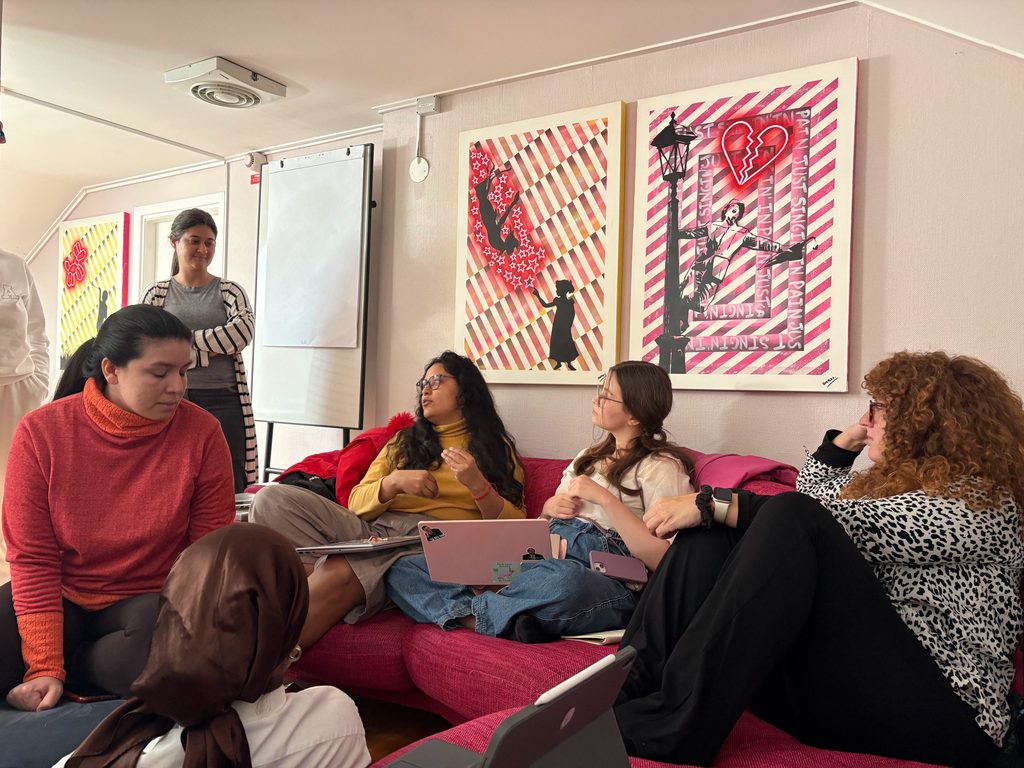
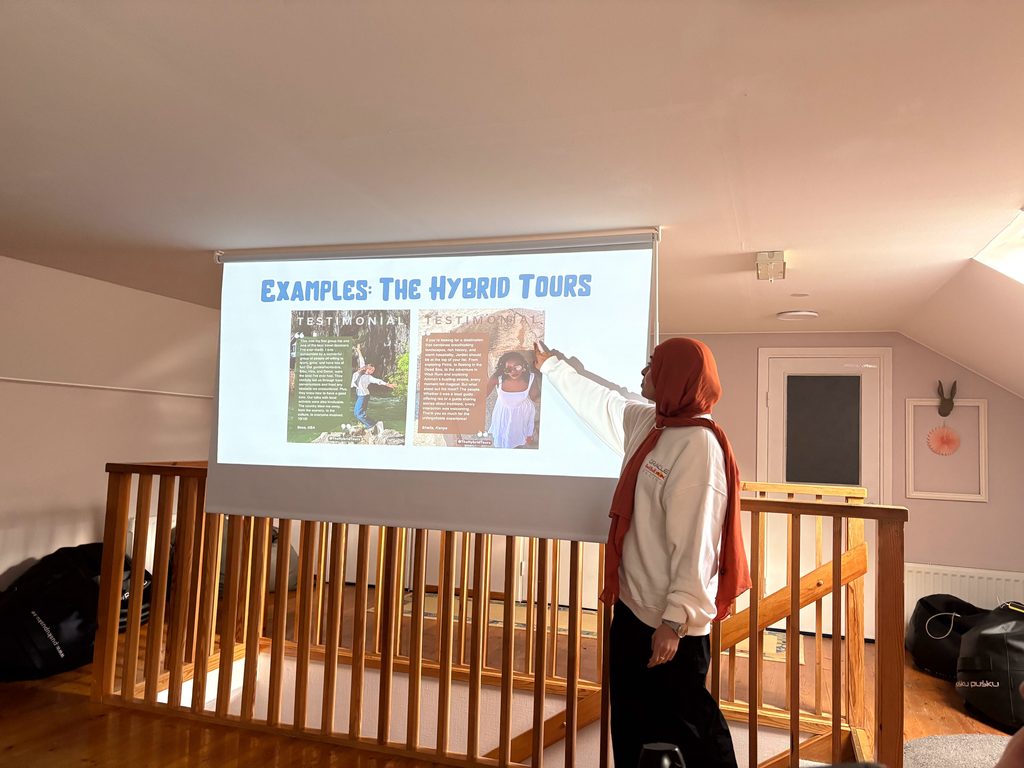
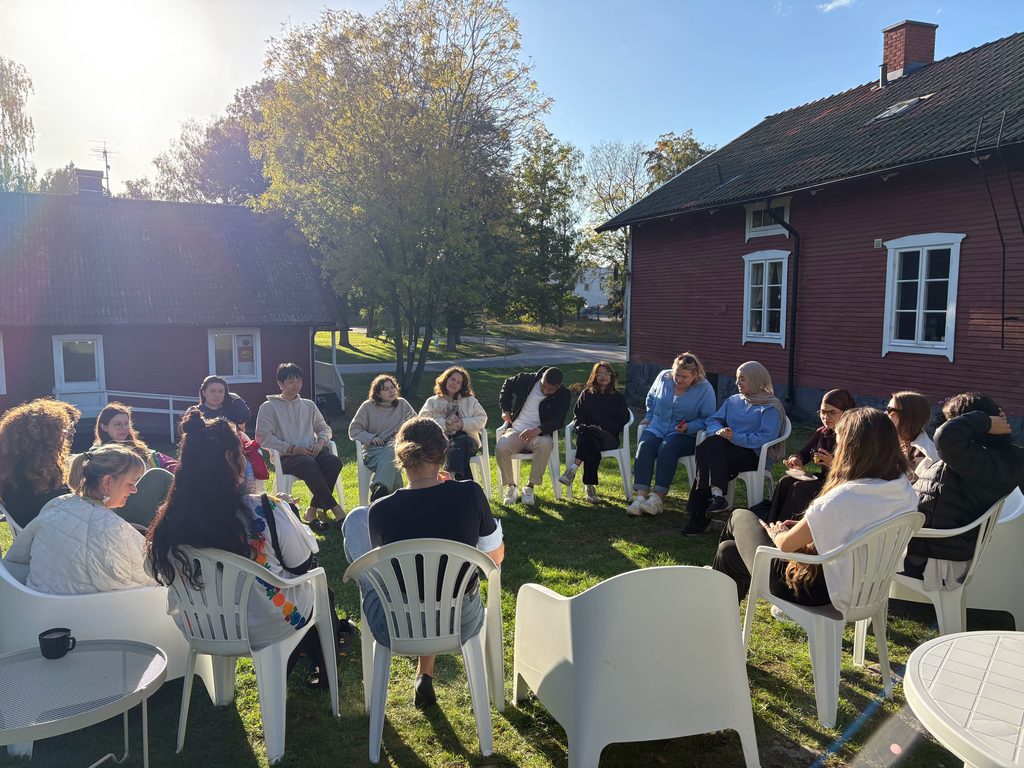
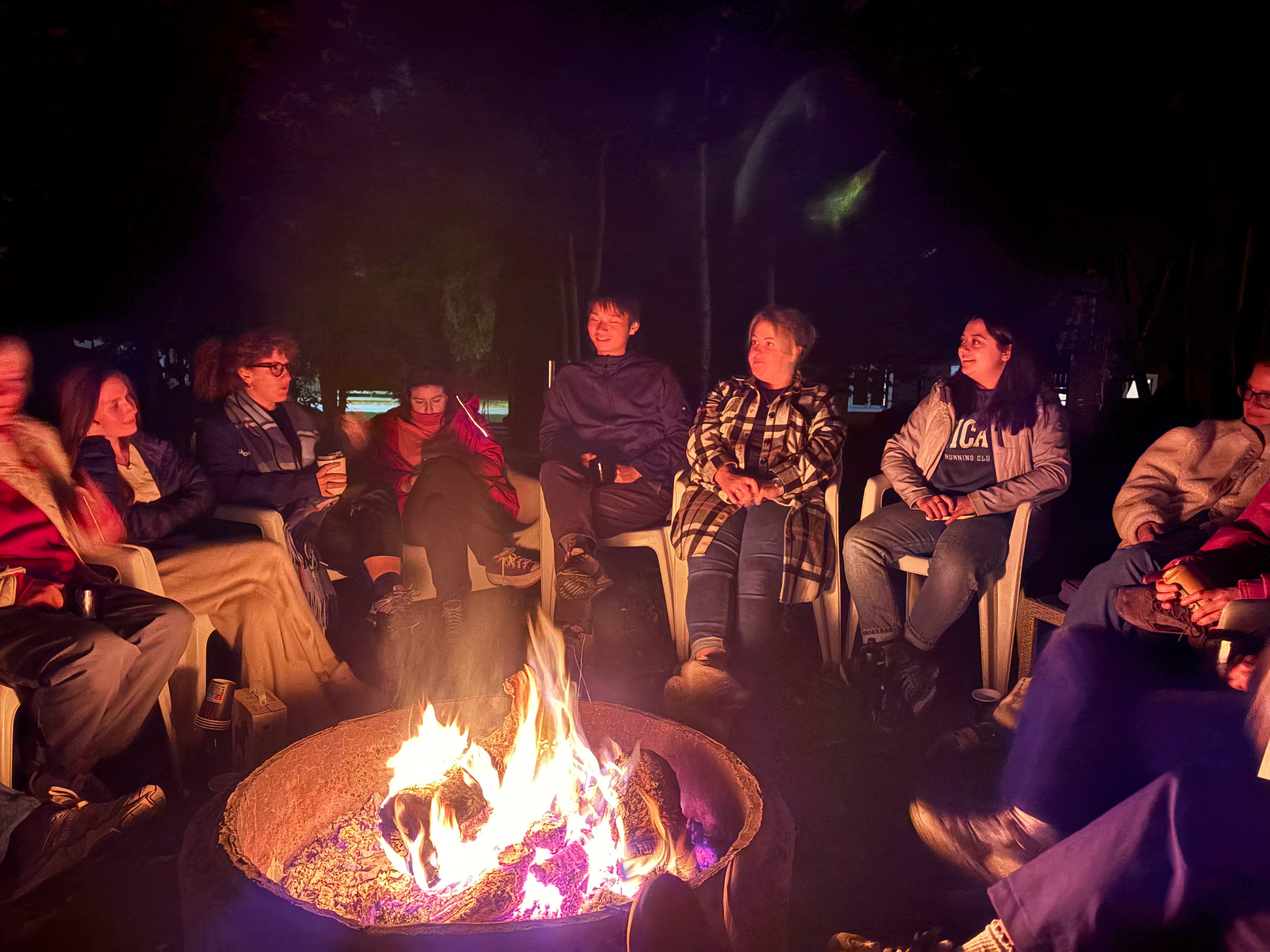
At the end of the training, we brought everything together by developing and presenting social media strategies, content calendars and creative content. We received feedback, discovered different approaches and reflected on the realities of communication across different NGOs and countries.
Different organisations have different audiences, resources, priorities and stories to tell. What works for one organisation may not work for another. But some principles remain important: clear messages, consistent branding, authentic storytelling, understanding your audience and communicating with a clear purpose.
The SOCIAL IMPACT training gave us practical tools for branding, social media strategy, content creation, storytelling, visual communication, AI and impact measurement. It helped us to think about what communication really means. It is about knowing who we are, understanding who we want to reach and showing why our work matters.
Because meaningful communication is about helping people understand why it matters and giving them a reason to become part of our community.


The SOCIAL I.M.P.A.C.T project is co-funded by the European Union through the Erasmus+ Programme. Views and opinions expressed are, however, those of the author(s) only and do not necessarily reflect those of the European Union or the European Education and Culture Executive Agency (EACEA). Neither the European Union nor EACEA can be held responsible for them.S