
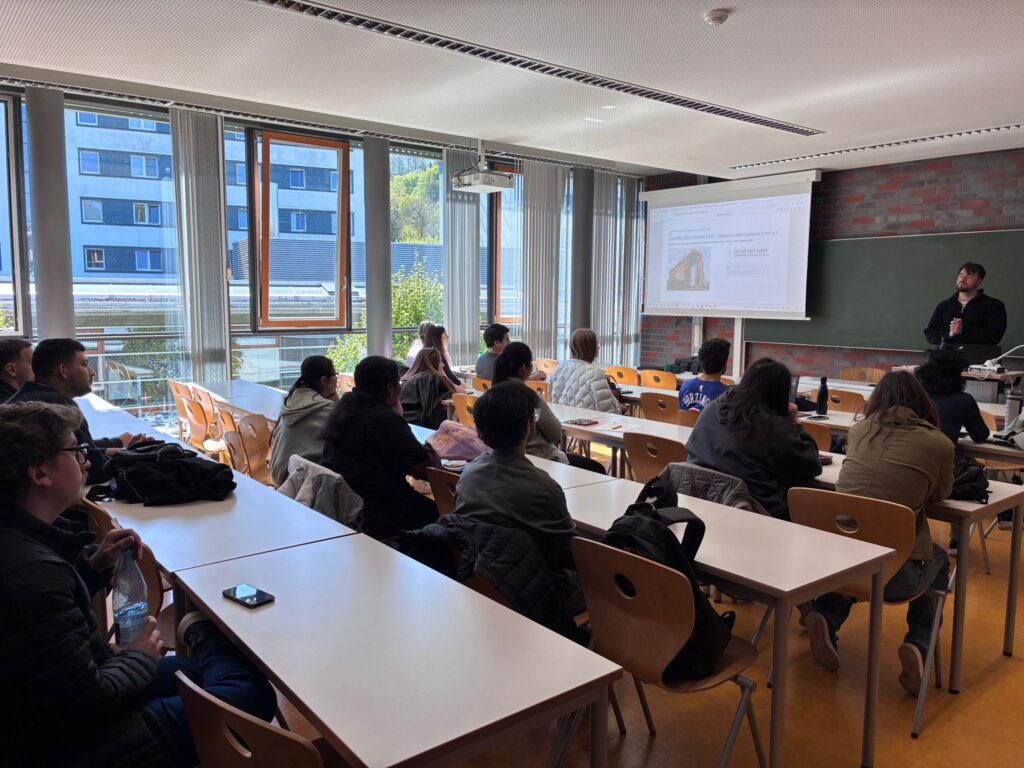
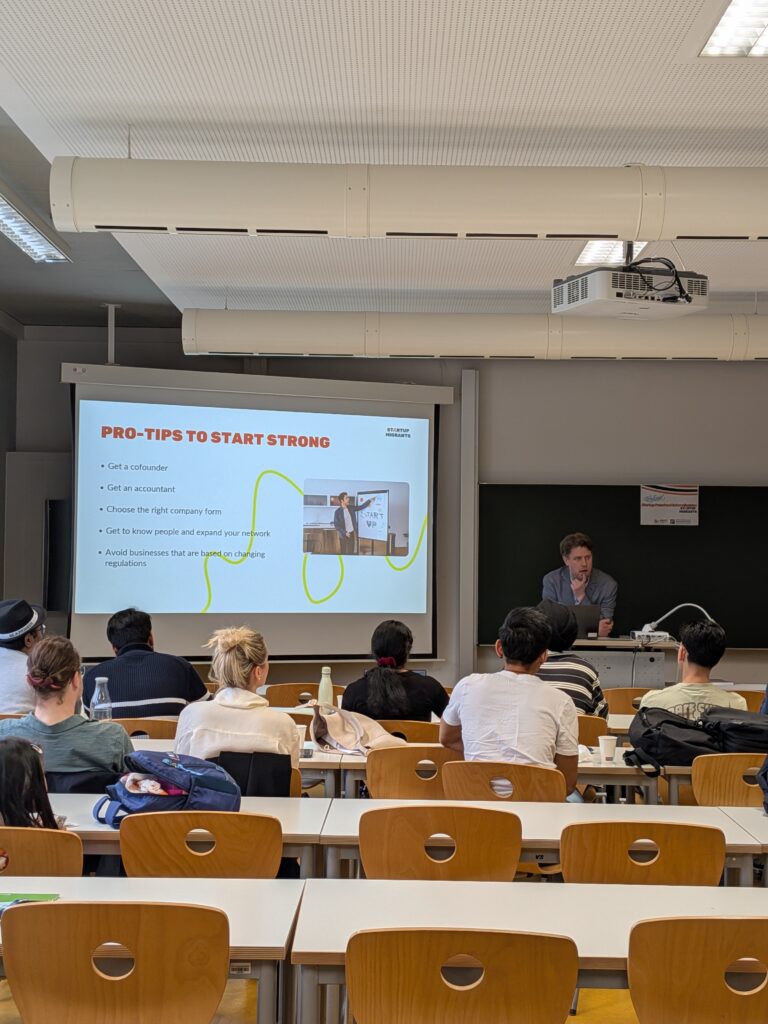
On 23 July, CGE Erfurt e.V. organised a Social Hackathon at the Schmalkalden University of Applied Sciences as part of the ENTER-PRENEURSHIP project.
The event was hosted on the university’s premises and implemented in close collaboration with the staff of its International Office. It brought together international and local participants, adult educators, NGO workers, representatives of business incubators, community representatives, and people interested in social entrepreneurship and entrepreneurship more broadly. Its purpose was to create a practical space in which participants could apply entrepreneurial skills to real social and economic challenges affecting their local communities.
Following the project’s educational and training activities, participants were invited to move from learning about entrepreneurship to actively applying entrepreneurial methods. In line with the project approach, the event focused on teamwork, problem-solving, community engagement, and the development of socially responsible ideas.
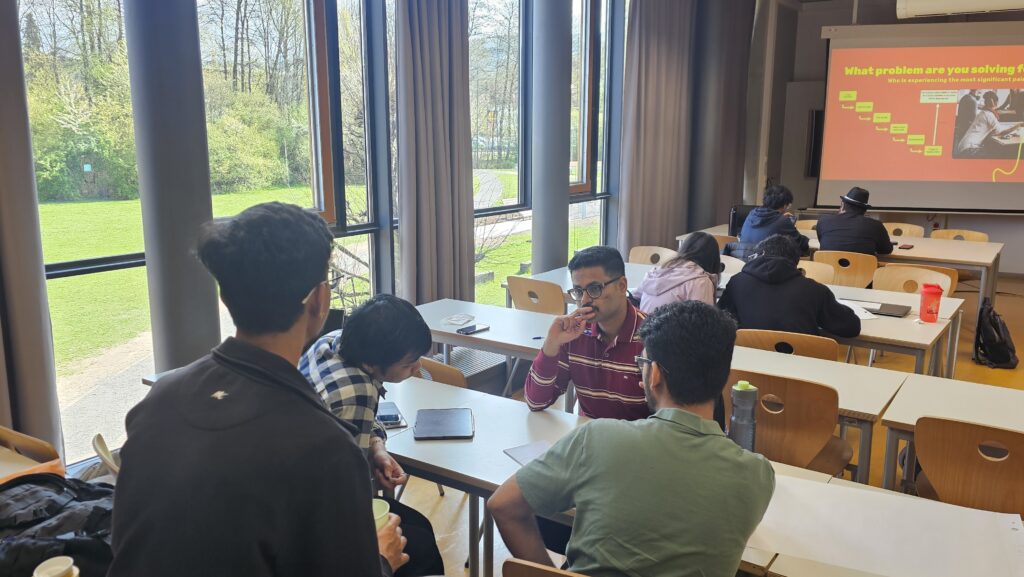
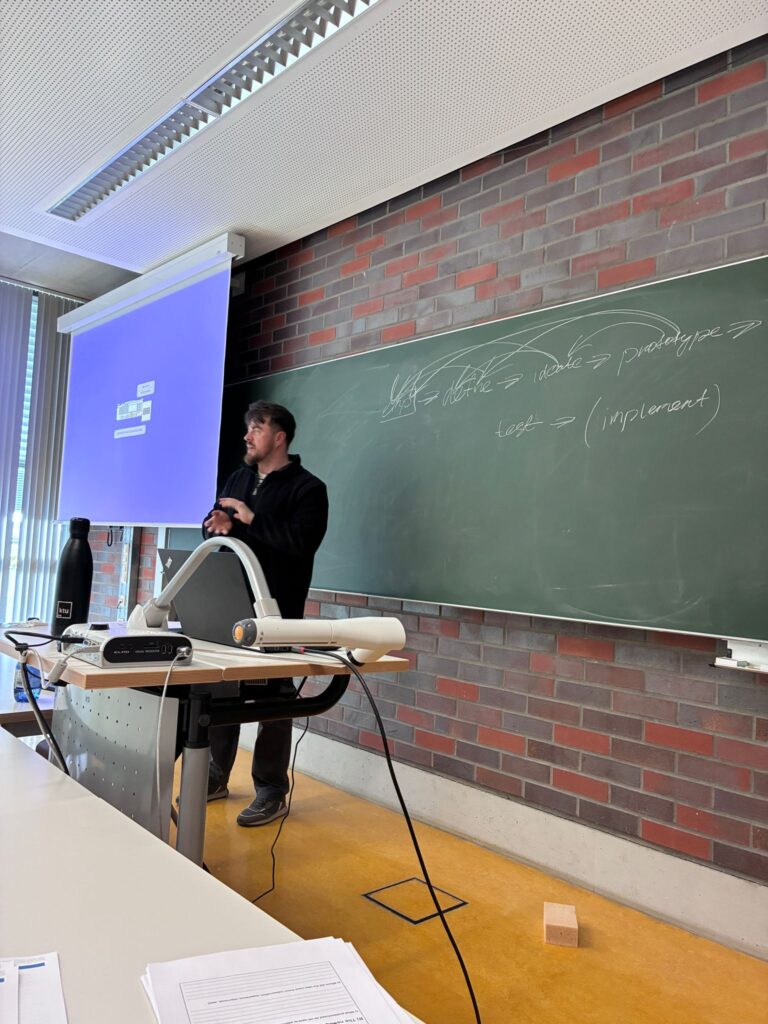
At the beginning of the event, participants explored the meaning of social entrepreneurship and discussed how entrepreneurial thinking can contribute to social transformation. Particular attention was given to challenges experienced by migrants, refugees, and other people facing barriers to employment, participation, and economic integration. Participants were encouraged to approach these challenges not only as problems, but also as opportunities to develop services, initiatives, and partnerships capable of creating positive local change.
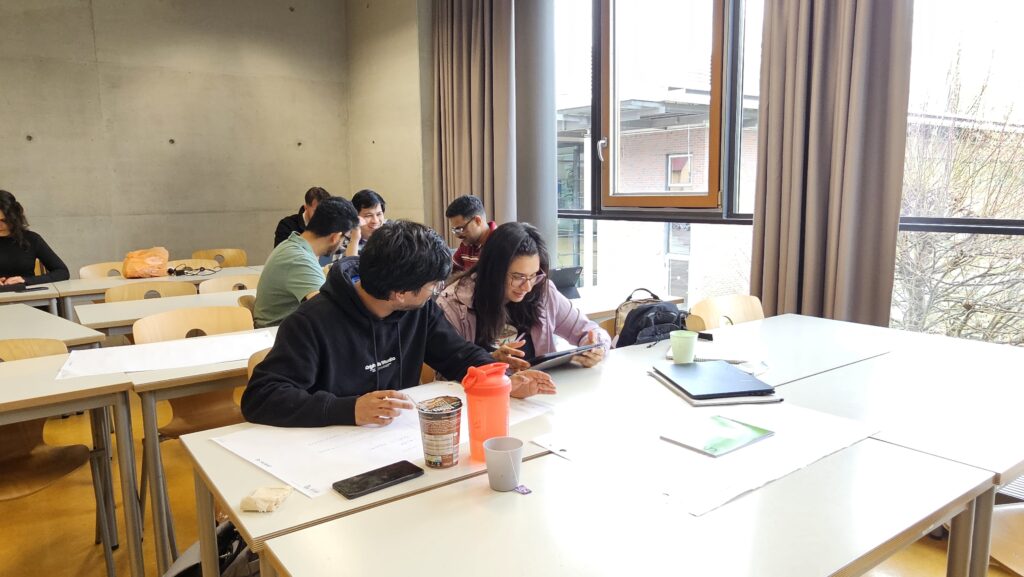
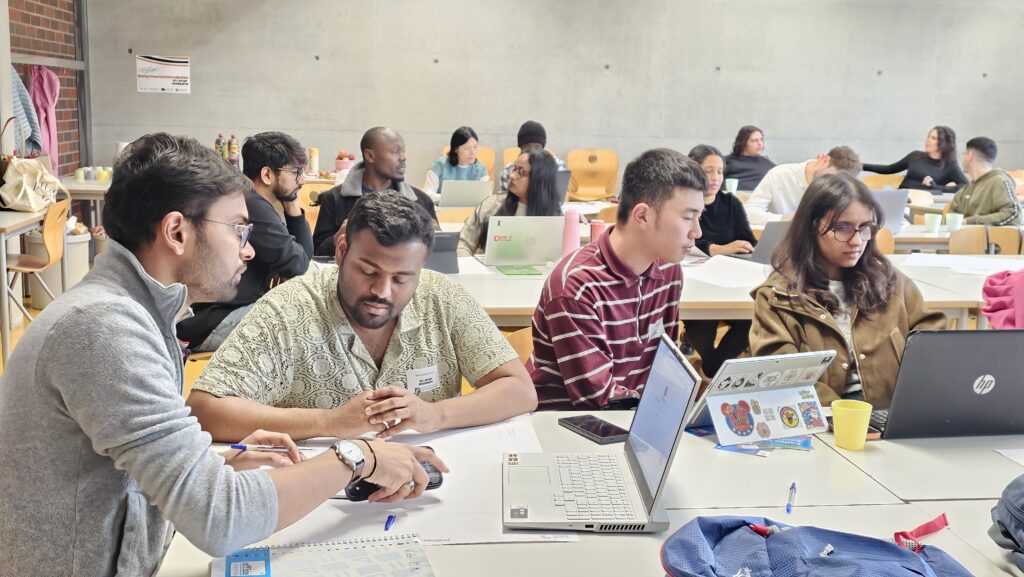
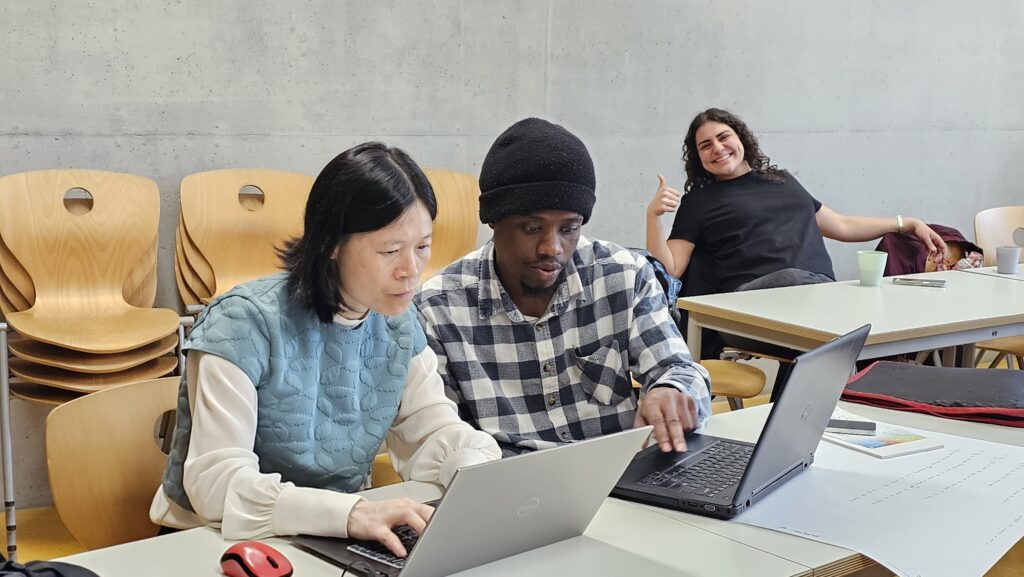
Working in groups, participants identified specific community needs and developed possible responses. They used practical methods connected to the EntreComp framework, including opportunity recognition, idea development, collaboration, resource planning, and turning ideas into action. The groups reflected on who would benefit from their proposed solutions, what resources would be required, which local organisations could support their implementation, and how the ideas could become sustainable.
The hackathon format enabled participants to contribute different experiences and perspectives. People with migration backgrounds shared insights into the barriers faced by newcomers, while educators, NGO representatives, incubator staff, and community actors contributed their knowledge of entrepreneurship, community work, inclusion, and non-formal education. This exchange helped the groups develop ideas that were both innovative and connected to actual local needs.
An important objective of the event was to strengthen cooperation between participants and local stakeholders. The Social Hackathon therefore also served as a space for networking, mentoring, and building future partnerships. Representatives of partner institutions were invited to present existing incubator programmes and other forms of support available to aspiring entrepreneurs and early-stage business founders.
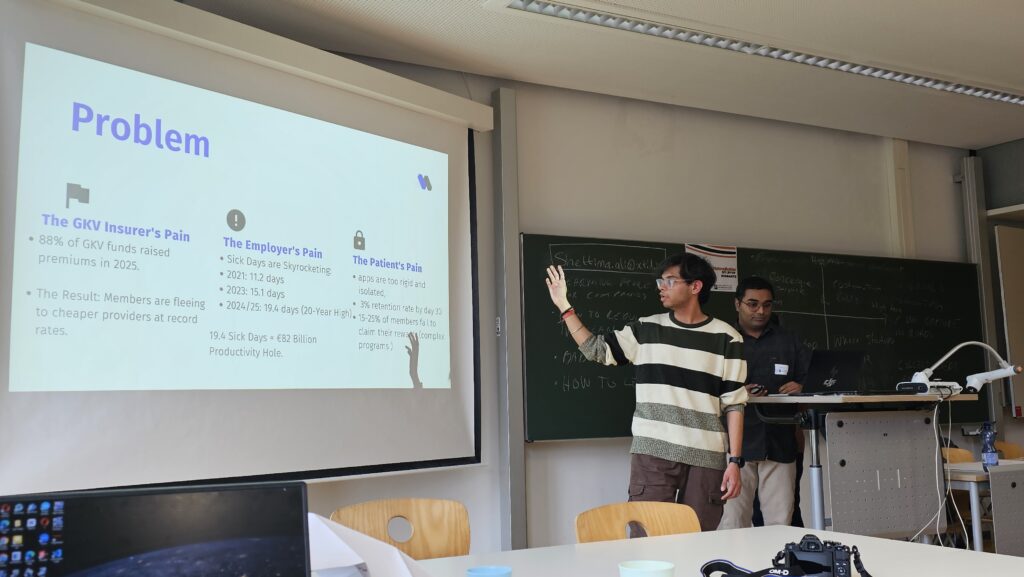
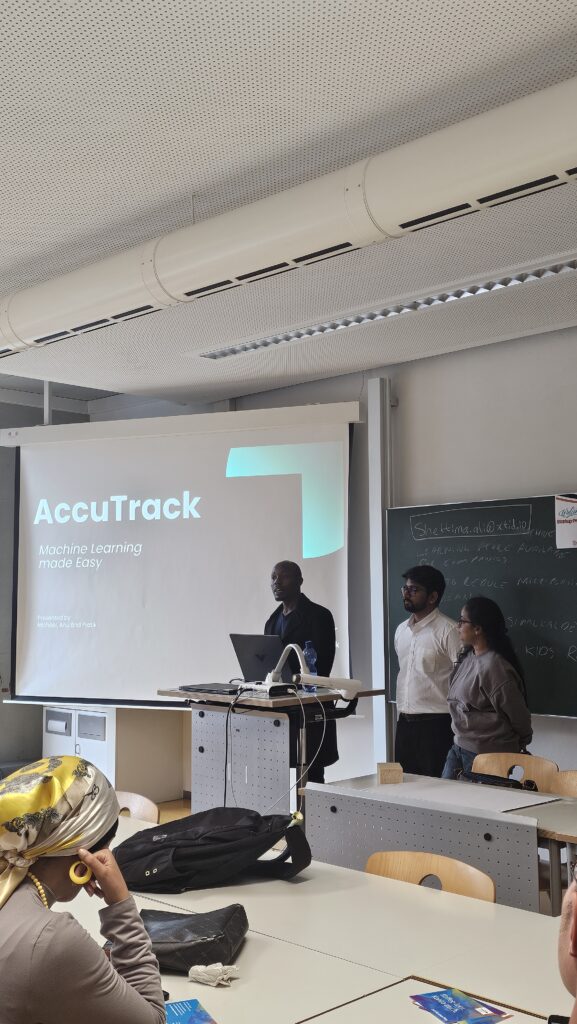
During the final part of the event, the groups presented their ideas through slide-deck pitches and received feedback. The presentations gave participants an opportunity to explain the social challenge they had selected, their proposed solution, the people they intended to reach, and the potential impact of their idea. The feedback process helped them identify the strengths of their concepts, remaining gaps, and possible next steps.
The results and participant feedback will contribute to the further refinement of the ENTER-PRENEURSHIP project outputs. In this way, the experience from Schmalkalden will support the development of practical resources that can be used by adult education providers and organisations working with migrants, refugees, and marginalized adults in different European contexts.
The ENTER-PRENEURSHIP project is funded by the European Union through the Erasmus+ Programme. Views and opinions expressed are, however, those of the author(s) only and do not necessarily reflect those of the European Union or the European Education and Culture Executive Agency (EACEA). Neither the European Union nor EACEA can be held responsible for them.
