
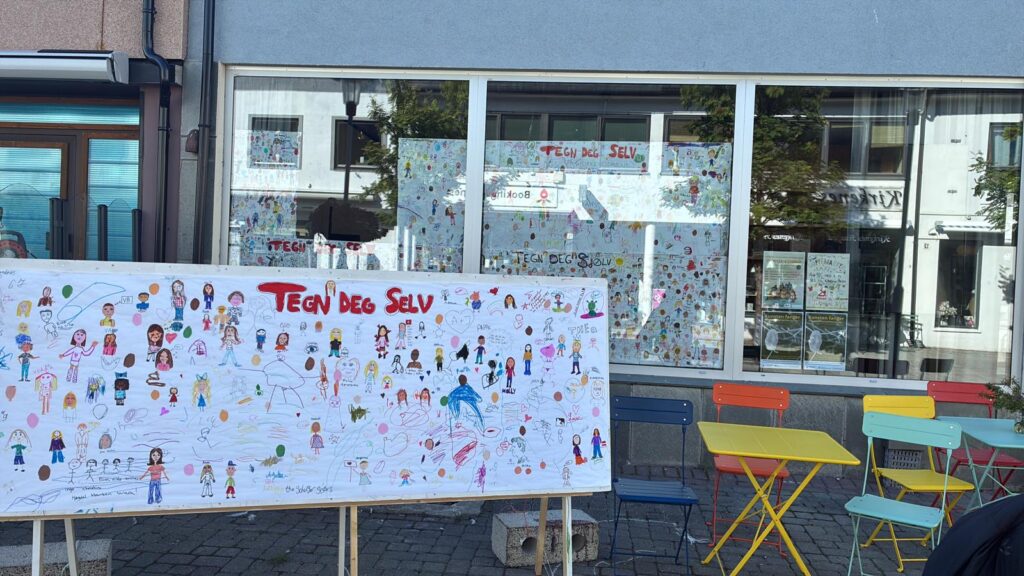
As part of the European Placemaking Academy project, we travelled to Kirkenes and the surrounding region in northern Norway for a training and study visit focused on community engagement, culture, public spaces and local initiatives. Over four days, we met inspiring people and visited different spaces that showed us how communities can come together to shape the places they live in, even in remote and rural contexts.
Community spaces that bring people together
One of our first learnings was about “BuA”, a community space where people can borrow equipment and access different resources. What makes the initiative particularly interesting is that it has evolved beyond simply lending things: it has become a social meeting point where people connect and organise activities.
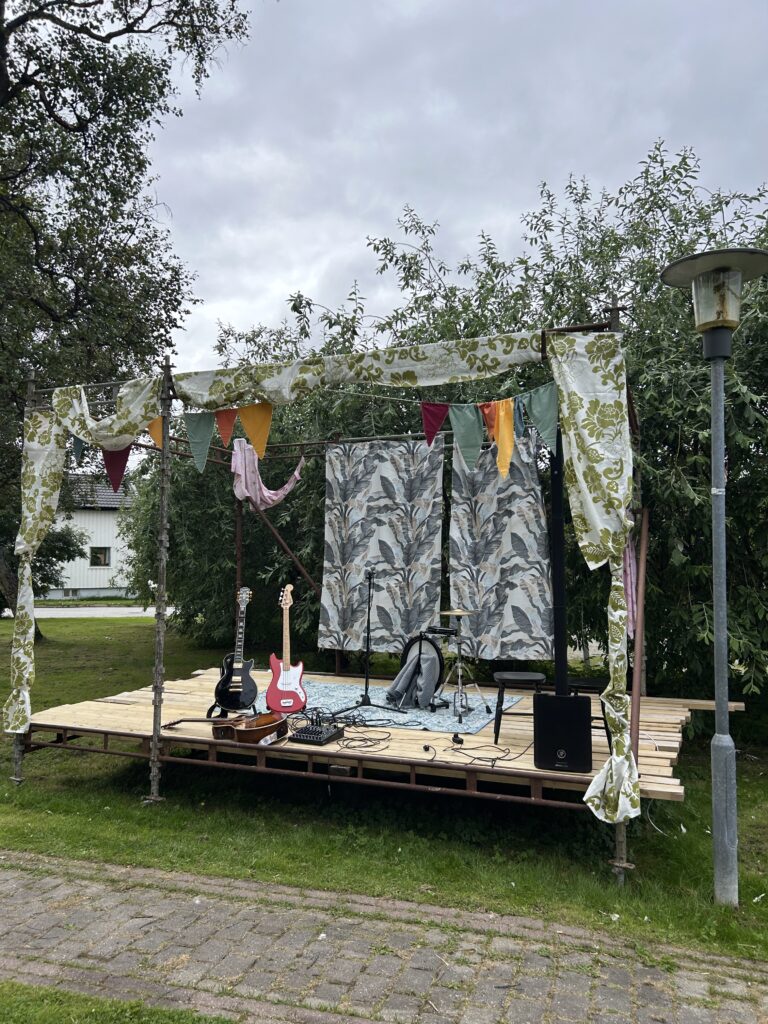
We also visited Sommerparken, a temporary summer initiative activating public space through cultural activities, workshops and youth engagement. Young people were involved in creating activities and bringing life to the park, demonstrating how temporary interventions can create opportunities for participation and ownership.
Culture as a tool for placemaking
Culture played an important role throughout the visit. At Terminal B, we met Pikene på Broen, an organisation that has been working with contemporary art and cultural development in Kirkenes for more than 20 years. Their work includes artist residencies, international collaborations and an annual thematic festival that brings together artists, local communities and visitors. The organisation’s approach showed us how culture can contribute to shaping the identity of a place, while also creating connections between local and international perspectives.
From municipal spaces to citizen-led initiatives
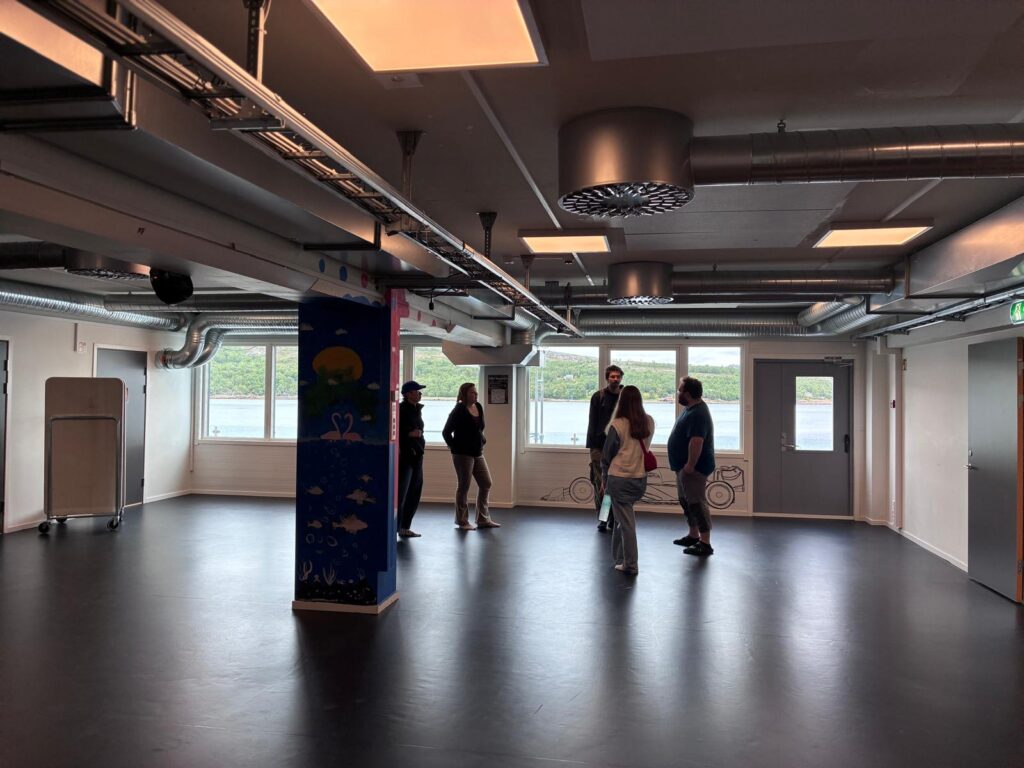
Another important part of the visit was exploring the relationship between municipalities and local communities. At Sør-Varanger Municipality, we learned about the spaces and resources available for young people, while also discussing the challenge of communicating these opportunities effectively. Having a space available is only the first step, because the community also needs to know that the space exists and feel that it is theirs to use.
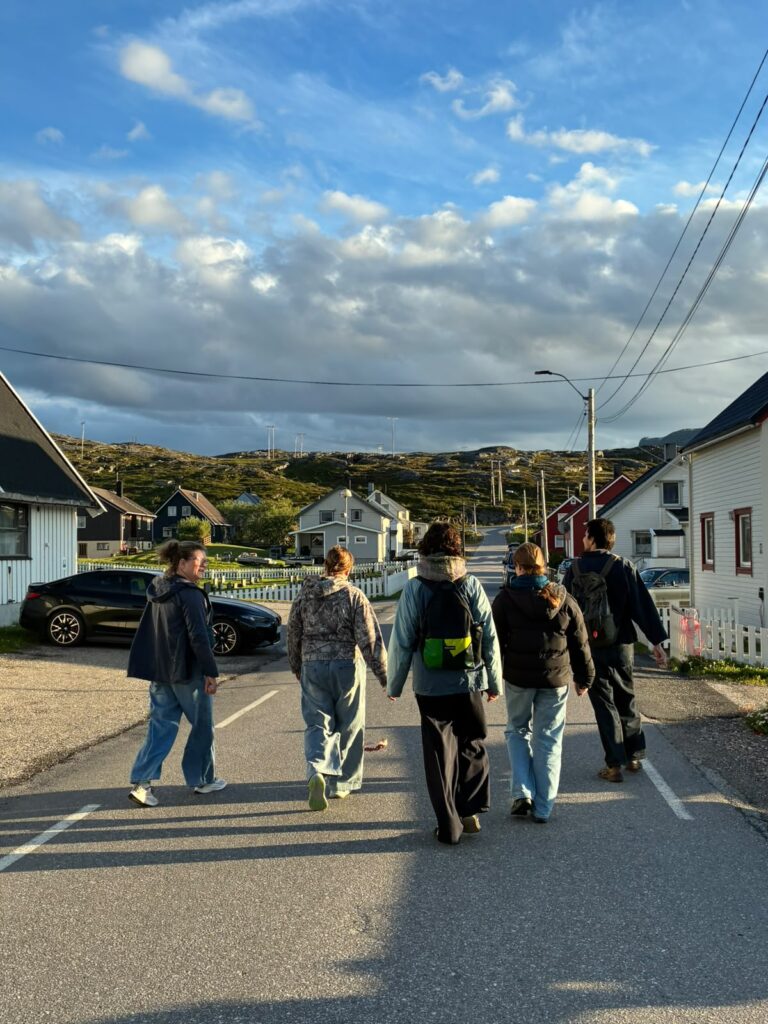
Later, we met with Prestøya-laget, a citizen-led initiative created by local residents who wanted to make better use of their neighbourhood for children and young people. Through volunteer activities, community discussions and local clean-up actions, they are helping residents become more active and take ownership of their surroundings.
Learning from the landscape
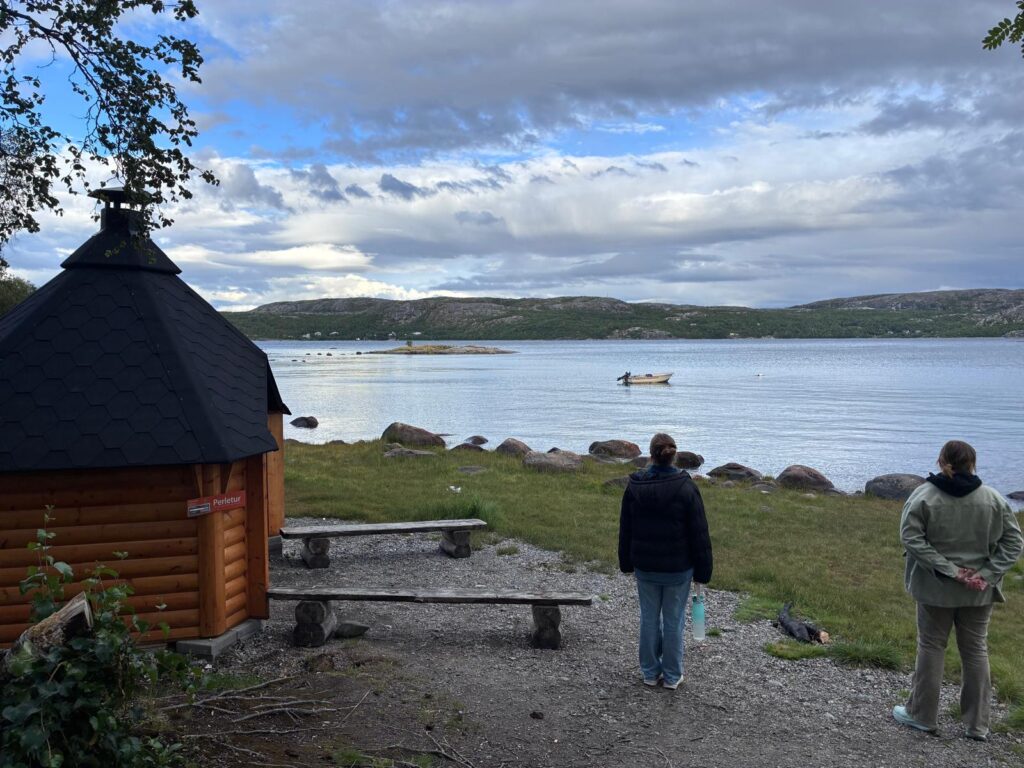
The final day took us further into the Pasvik area, where we met local volunteers at a Kirkens Bymisjon community centre. Two retired teachers, Sissel and Jensen, shared how they volunteer at the centre, organising activities and meals for older residents while also opening the space to younger people. We also visited NIBIO Svanhovd, where we learned about communal gardening, local food production and environmental stewardship. A guided walk through Pasvik gave us another perspective on placemaking, exploring local stories, landscapes and the ways people understand and connect with their surroundings.

What was our take away?
Across all these visits, one message became clear: placemaking is ultimately about people. It can happen through art and culture, a community garden, a youth initiative, a borrowed boat, a shared meal or simply a space where people feel welcome. The study visit gave us valuable inspiration and practical examples of how local ownership, volunteering, participation and creativity can transform places. These experiences will feed into the work of the European Placemaking Academy, helping us continue exploring how communities across Europe can shape more inclusive, active and meaningful places together.

