
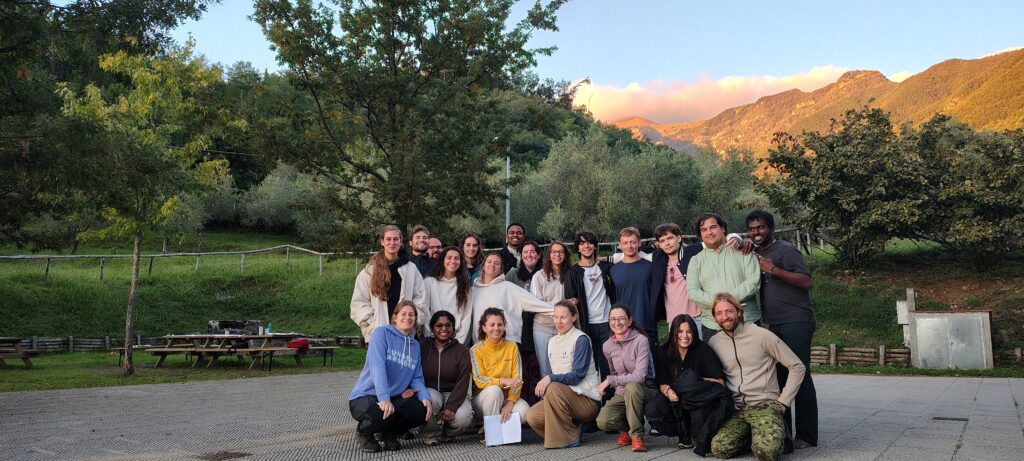
From 5 to 13 October 2026, young people joined the 3rd youth exchange in Lunigiana, Italy focused on Entrepreneurial Change. The Youth4biodiversity project 2025-1-DE04-KA152-YOU-000300460 brings together 4 partners organisations: Culture Goes Europe (Germany), Goodness of People (Sweden), Fondazione Toscana Sostenibile (Italy), and Onda Verde – Associação Juvenil de Ambiente e Aventura (Portugal).
This exchange offered participants an opportunity to explore the connections between biodiversity, local communities and sustainable development. Through immersive nature experiences, conversations with local residents, outdoor activities and interactive learning, participants strengthened their environmental awareness, developed practical skills and explored how collective action can contribute to a greener future.
As the final phase of the project, this youth exchange focused on taking the next step: empowering young people to transform their biodiversity initiatives into sustainable projects with lasting impact. By exploring green entrepreneurship, and long-term sustainability, the participants were encouraged to take action in their own communities.
Connecting with nature and discovering local biodiversity
One of the main objectives of Entrepreneurial Change is to develop environmental literacy and ecological empathy. This means building a deeper personal connection with nature and understanding the importance of protecting the ecosystems around us.
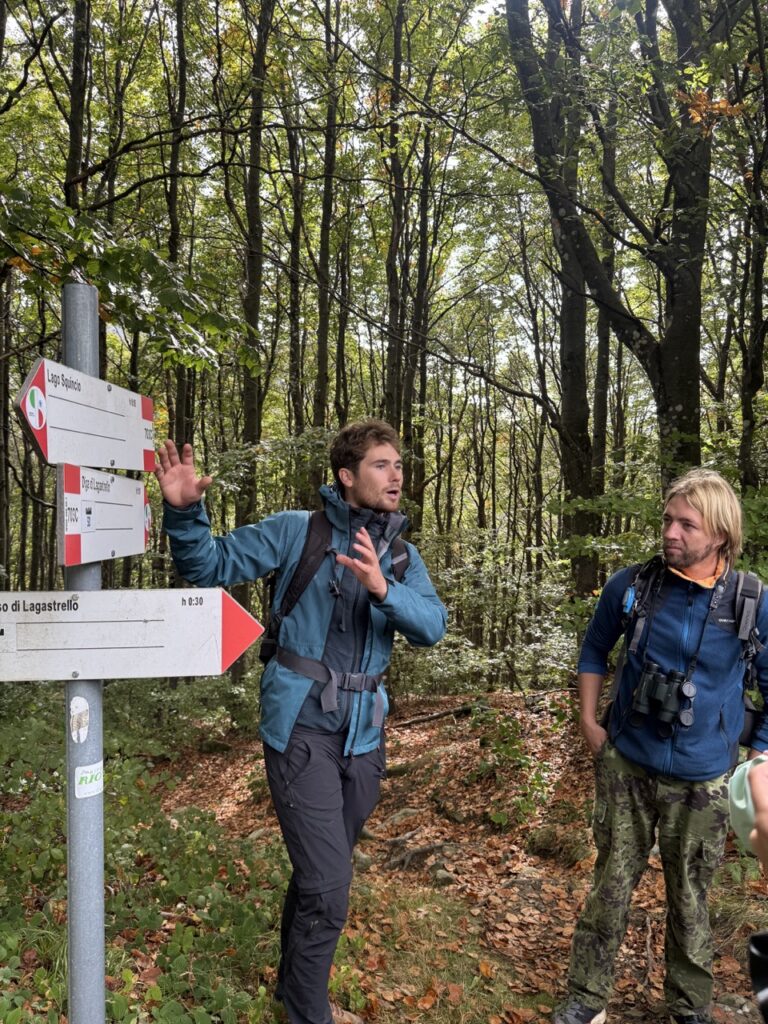
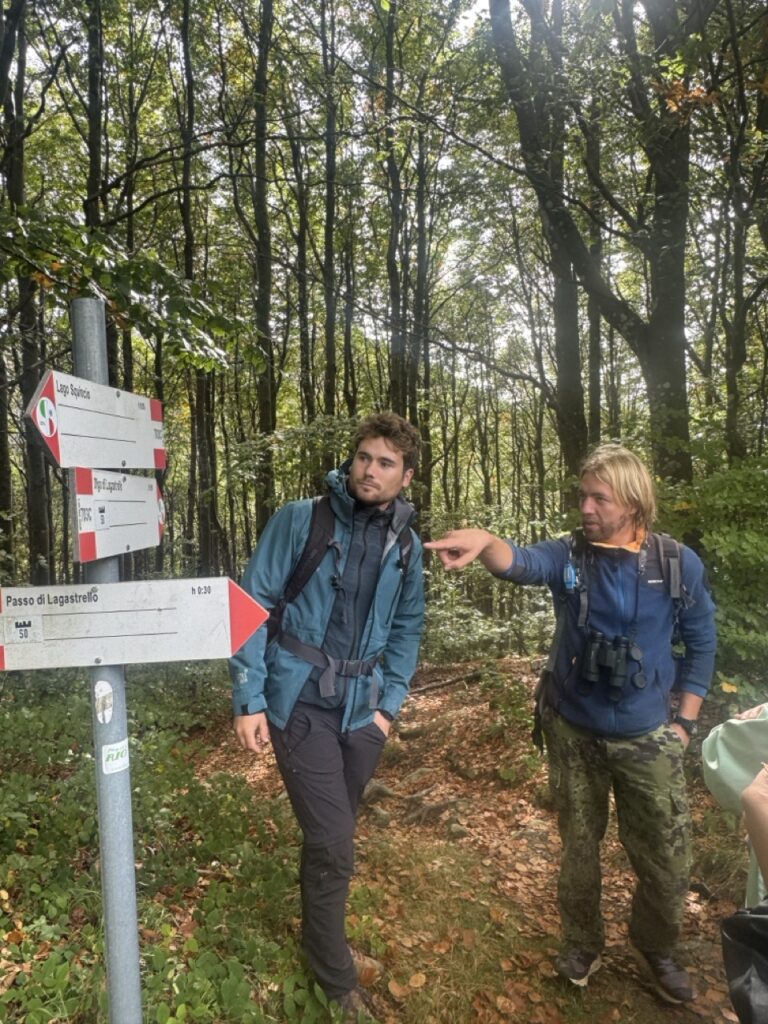
Participants had the opportunity to explore the natural surroundings of Treschietto, the village where they were staying. Walks around the village, a visit to the nearby river and garden, and a hike in a national park allowed them to experience the landscapes of Lunigiana.
A particularly memorable moment was the night hike, during which participants observed amphibian species characteristic of the region. Experiencing nature after dark offered a different perspective on local biodiversity and encouraged participants to pay attention to the wildlife that often goes unnoticed.
Listening to local communities and their relationship with the environment
Sustainability is also about people, their livelihoods, their traditions and the choices they make every day. Participants had the opportunity to visit Pontremoli and discovered the town through a tour led by Rossana, one of the participants who lives there. Having a local guide offered the group a more personal perspective on the area and its everyday life.
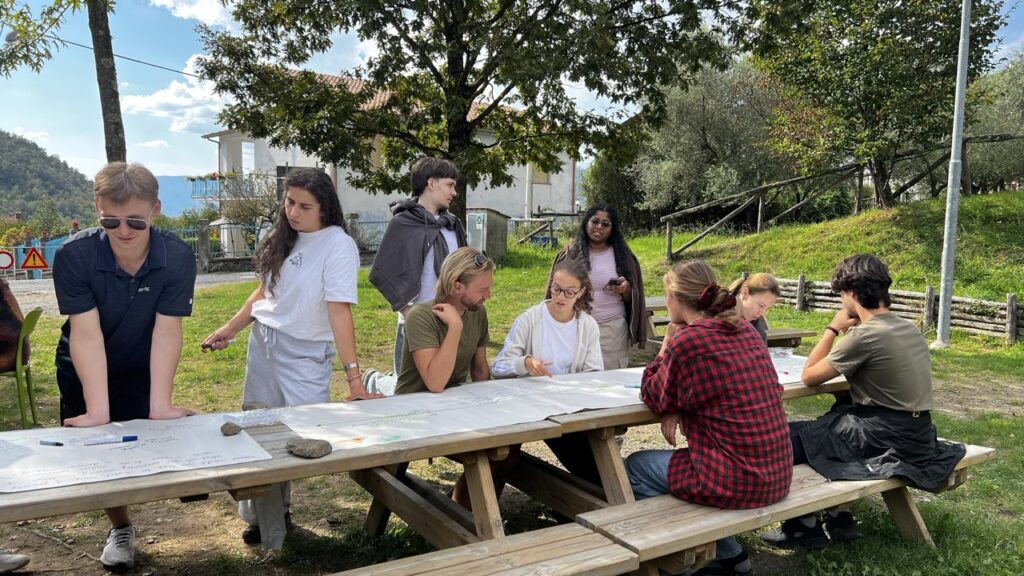
The group also took part in a collaborative filming activity, dividing into 4 teams to interview local residents. Each team explored a different topic:
Environment and landscape: discovering how people relate to and experience their surroundings.
Climate change and local life: exploring how environmental changes connect with everyday experiences.
Community and the national park: examining the relationship between local communities and protected natural areas.
Economy, tourism and nature: considering how economic activities and tourism interact with the environment.
By bringing these stories together, the group explored the importance of including local communities in conversations about sustainability and recognising that environmental challenges often require solutions that take different needs and perspectives into account.
Learning from local traditions and sustainable practices
Another highlight of the exchange was the local chestnut festival, where participants discovered the different products made by the community. They could see the relationship between local traditions, natural resources and community life.
The programme also included an opportunity to engage with a local farm, learn more about how people work and live in the area, and gain insight into the relationship between local livelihoods and the surrounding landscape.
These encounters demonstrated how sustainability can be explored through everyday practices, traditional knowledge and community-based activities.
Understanding environmental challenges through different perspectives
Environmental challenges are complex. Decisions about infrastructure, land use, energy and conservation can involve different interests, priorities and opinions. Understanding these complexities requires critical thinking and the ability to look beyond a single point of view.
To explore these questions, participants took part in an interactive simulation game called Global Forces, Local Faces. During the activity, each participant was assigned a role and developed a character based on information provided by the facilitators. The scenario focused on the construction of a dam, with some characters supporting the project and others opposing it. The simulation lasted more than 3 hours and encouraged participants to engage with different arguments, negotiate with one another and consider the consequences of environmental decisions.
By stepping into the shoes of people with different interests, participants could explore how individual perspectives, community priorities and wider political and economic forces influence decision-making. The activity was followed by a reflection session and learning about European and international environmental laws. Cooperation was the key word of this journey to find solutions together. It helped participants to develop critical thinking and systems awareness.
From learning to action: developing practical skills
A key element of Entrepreneurial Change is experiential learning, allowing young people to develop practical skills through filming, interviews, outdoor activities and interactive simulations. These experiences strengthened participants’ communication, teamwork, creativity, critical thinking and decision-making, while reflection sessions helped them share perspectives and connect their learning. By combining hands-on activities with reflection, the exchange encouraged young people to turn environmental awareness into practical initiatives and positive change in their communities.
Exploring the region and strengthening European connections
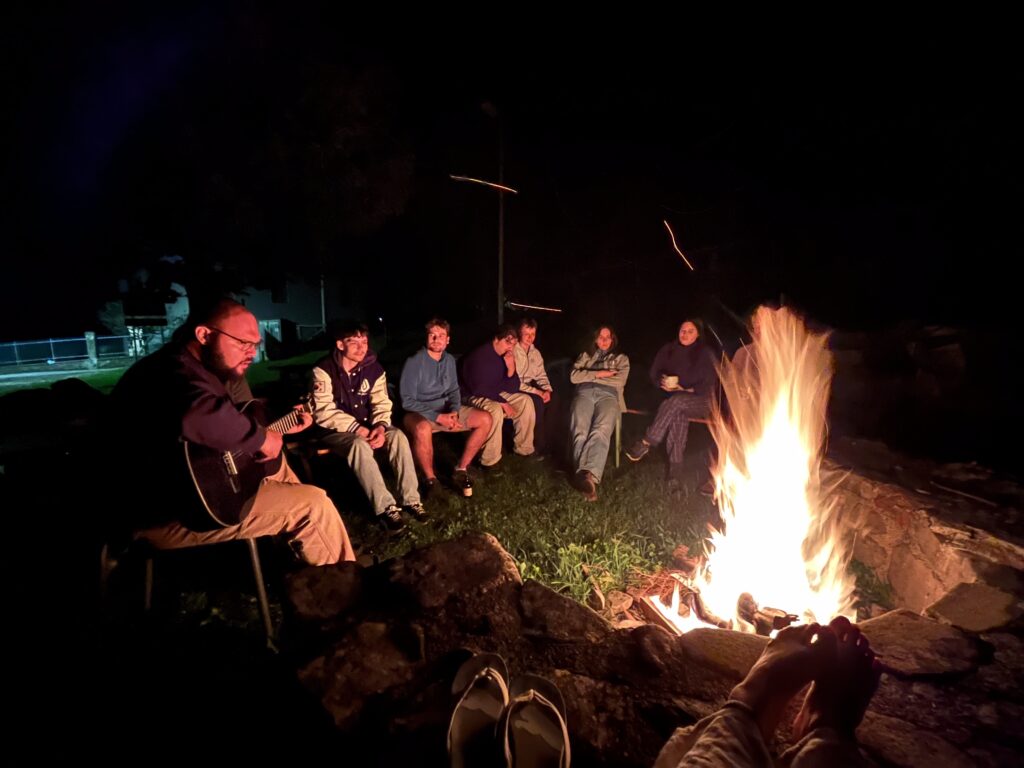
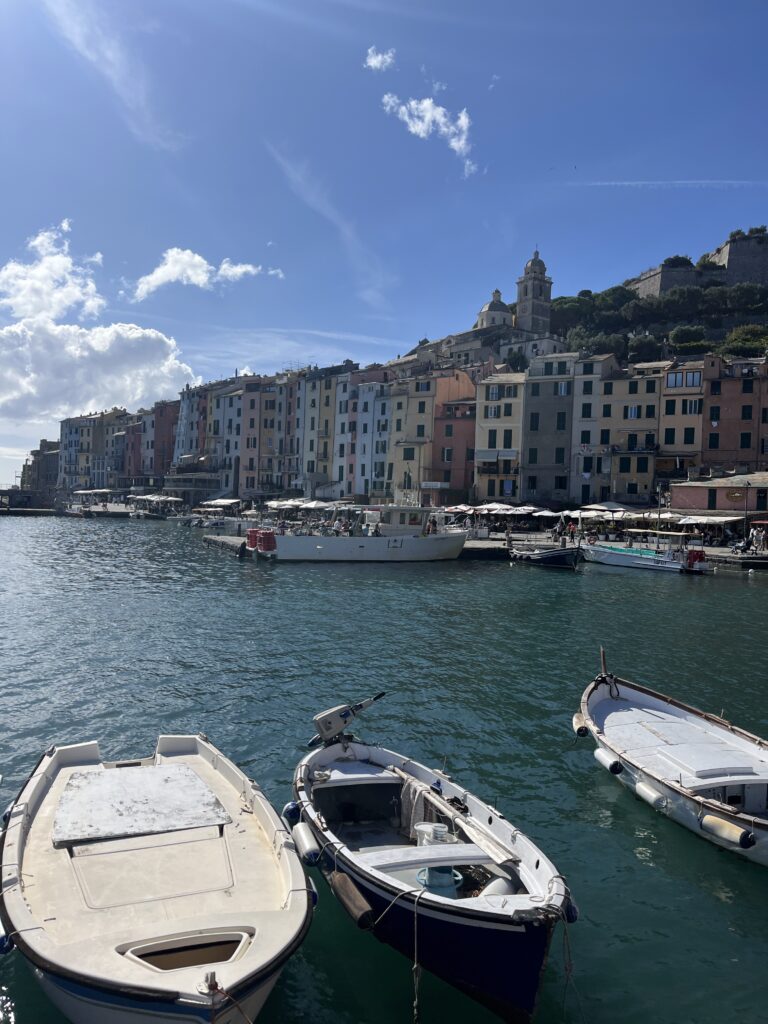
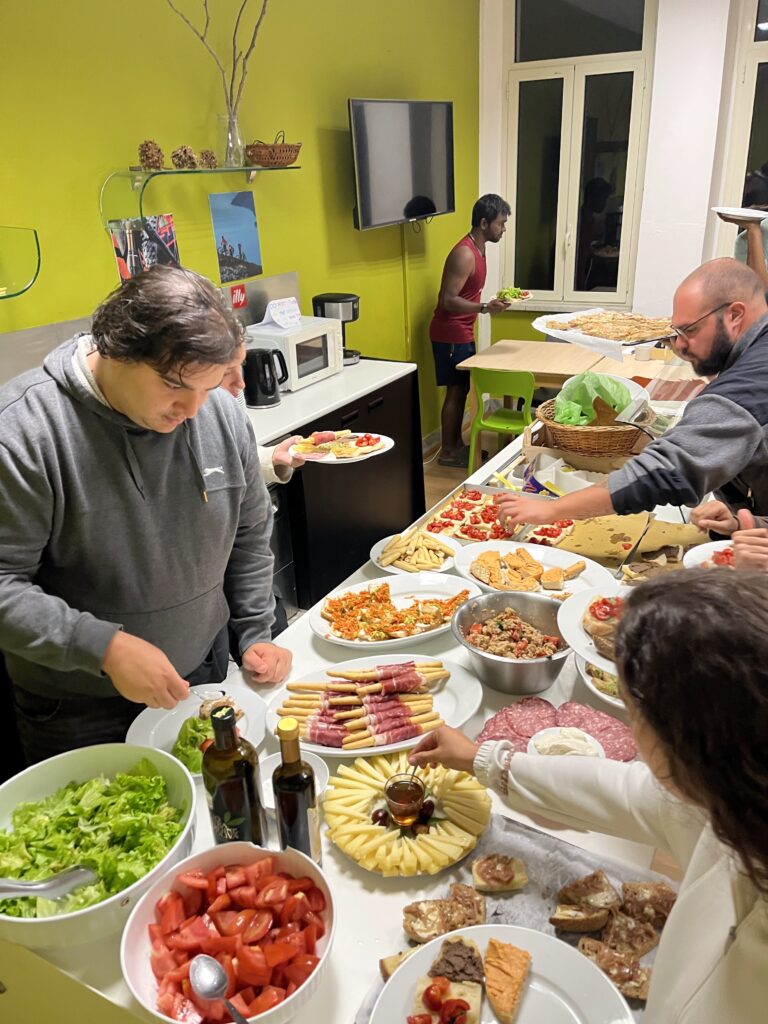
Alongside the educational activities, participants explored Porto Venere, enjoying its coastal landscapes, and shared free time through hiking, visiting the city or relaxing at the beach. The intercultural night and other shared experiences strengthened friendships, encouraged cultural exchange and celebrated the collaboration between the 4 partner countries, highlighting how sustainability brings young people together beyond national borders.
A meaningful ending to a shared journey
The exchange concluded with group reflections, evaluation and a farewell party, giving participants the chance to celebrate their shared experiences and friendships. For many, it was an emotional moment, marking the end of a year-long journey together. The project is coming to an end but the knowledge, skills and connections gained throughout this year will continue to inspire participants to take action for sustainability in their communities.
Because protecting biodiversity is also about empowering people, strengthening communities and creating new ways to live and work in harmony with the environment.
Youth4biodiveristy project number 2025-1-DE04-KA152-YOU-000300460 is co-funded by the European Union through the Erasmus+ Programme. Views and opinions expressed are, however, those of the author(s) only and do not necessarily reflect those of the European Union or the European Education and Culture Executive Agency (EACEA). Neither the European Union nor EACEA can be held responsible for them.